


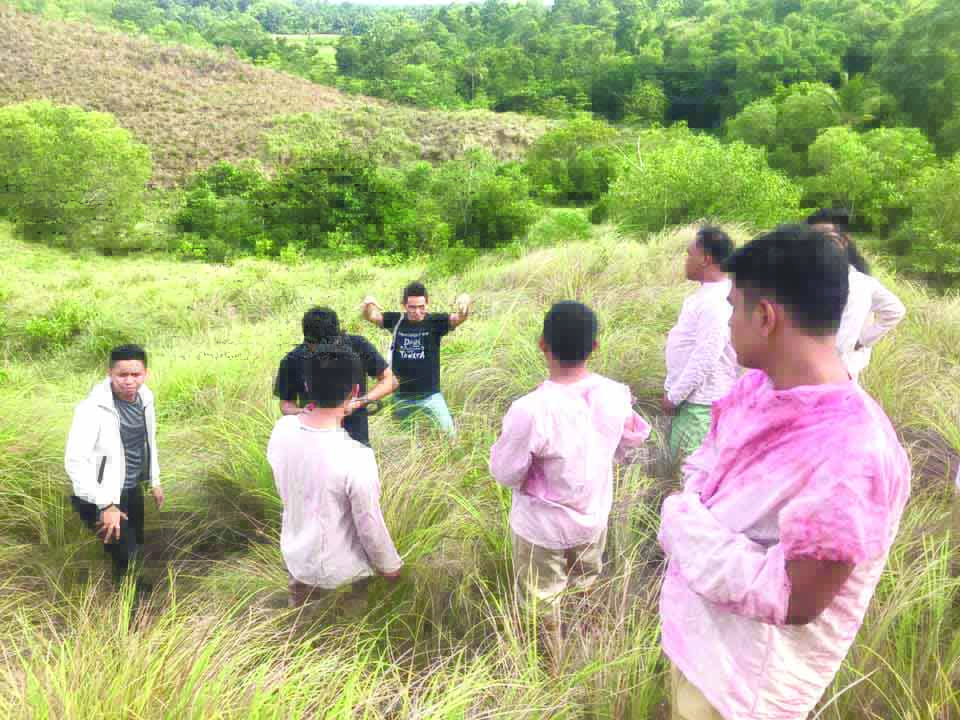
Remembering the 19 martyrs has always been a tradition for the people of Aklan. They are said to be the first and biggest Katipunan movement outside Luzon.

Back in January 1897, Andres Bonifacio sent back General Francisco Castillo and Candido Iban to Aklan to build a Katipunan charter in Visayas. Castillo led a group in Lagatik (now known as New Washington) and Iban in Malinao. Unfortunately, Iban’s group were captured and were sent to Kalibo. General Castillo, along with hundreds of Katipuneros, marched in front of the municipal mayor Juan Azaragal’s mansion. Azaragal open fired and the Katipuneros ran to a nearby hill and hid. Colonel Monet then announced he will pardon rebels who will surrender. Instead of forgiving the rebels, Monet chose 19 men, who he thought were leaders, and on the dawn of Mar. 23, 1897, he shot them dead. And that was the tragic demise of the 19 heroes of Aklan.

“Daan Patungong Tawaya” is more than just the story of the 19 martyrs. It also tackles about a babaylan’s role in the local culture and the voices of women in the context of revolution.

The conceptualization of this movie dates back to 1998 when John Barrios and Kevin Piamonte created a manuscript for a fictional film with the same theme. Years passed and the manuscript lay under a pile of years’ worth of work, forgotten, until another door of possibility opened for the story. Under the Film Development Council of the Philippines and National Historical Commission of the Philippines’ SineSaysay Documentary Film Lab and Showcase, “Daan Patungong Tawaya” was among the proposals that were given grants to fund the making of the film.
Found etched on an ambaga tree was a poem bearing the word “Tawaya,” which meant peaceful and beautiful in the vernacular. It sounded so unique and pleasing it inspired the directors of the film to name the documentary as “Daan Patungong Tawaya,” which means “Road to Paradise.” Paradise in this case could mean the Philippines before it was colonized by the Spaniards. Paradise could be the sense of tranquility that comes with understanding our nation in the past, and how it led to where we are now.
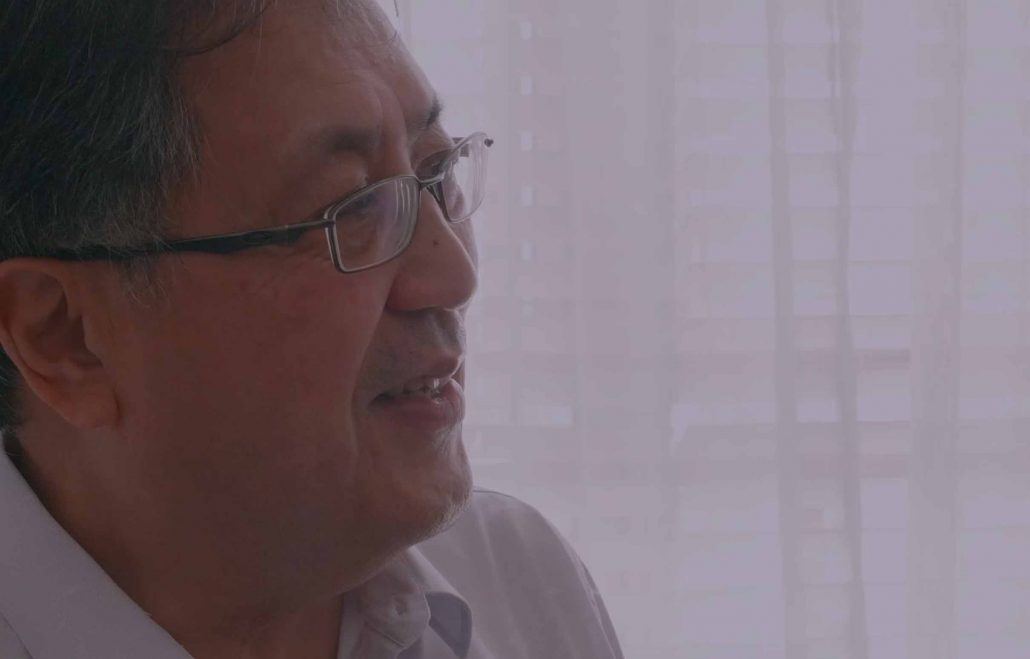
Dr. Reynaldo Ileto introduces the perspective of ‘History from Below’ in this film 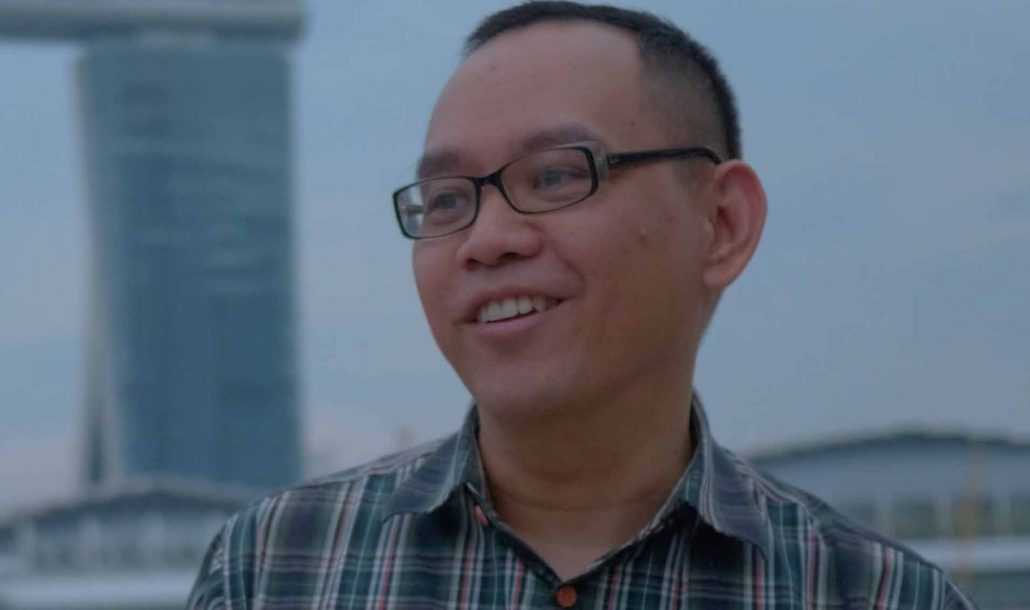
Dr. Ruanni Tupas is a scholar based in Singapore
Written in the margins of our history are those found in the local communities and other regions. In most cases, these stories are known only to a small group of people. The stories and the lore from the rich history of our distant past are not so often tackled or discussed in schools and institution. The film aims to bring these topics into conversation of the everyday. With “Daan Patungong Tawaya,” the makers of the film hope to bring to light other stories in other communities that can contribute to our national history and in sculpting our national identity.

The makers of “Daan Patungong Tawaya” are grateful especially to the people of Aklan for supporting this initiative. This could not have been possible without them. The journey was no easy task, with minimal budget and a skeletal staff, they could only do so much.
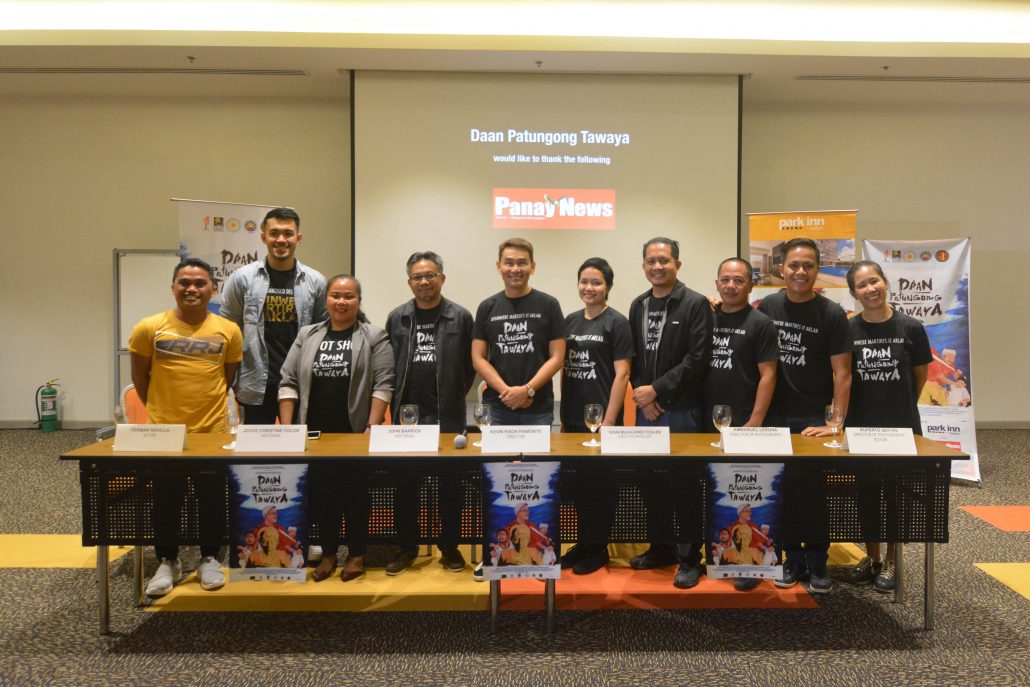
This film is not only for the people of Panay, but for all of us Filipinos.
The road to paradise is a long, winding road and often less travelled./PN