

ILOILO City — Western Visayas’ largest government hospital will undergo a full-scale earthquake response and evacuation exercise this Thursday night, June 18, as disaster authorities intensify preparedness measures amid a series of recent earthquakes that have rattled the region, including the magnitude 4.7 tremor that struck Antique last weekend.
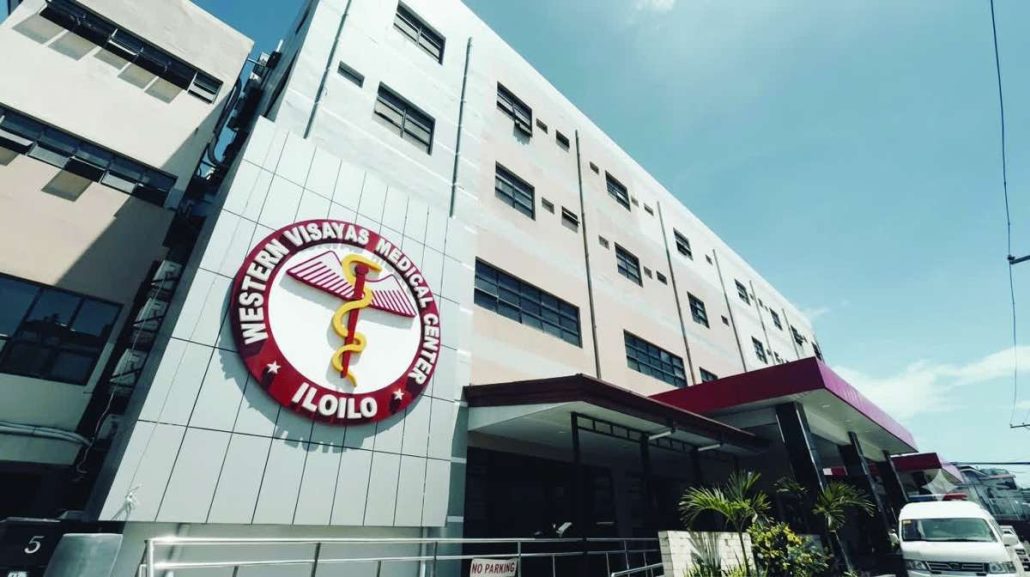
The Regional Disaster Risk Reduction and Management Council (RDRRMC) and the Office of Civil Defense (OCD) Region 6 have designated the Western Visayas Medical Center (WVMC) in Mandurriao district here as the pilot institution for the Second Quarter Nationwide Simultaneous Earthquake Drill (NSED), with a full-scale emergency response exercise scheduled at 7 p.m.
WVMC serves as a primary healthcare, training, and research apex hospital for over four million people in Panay Island.
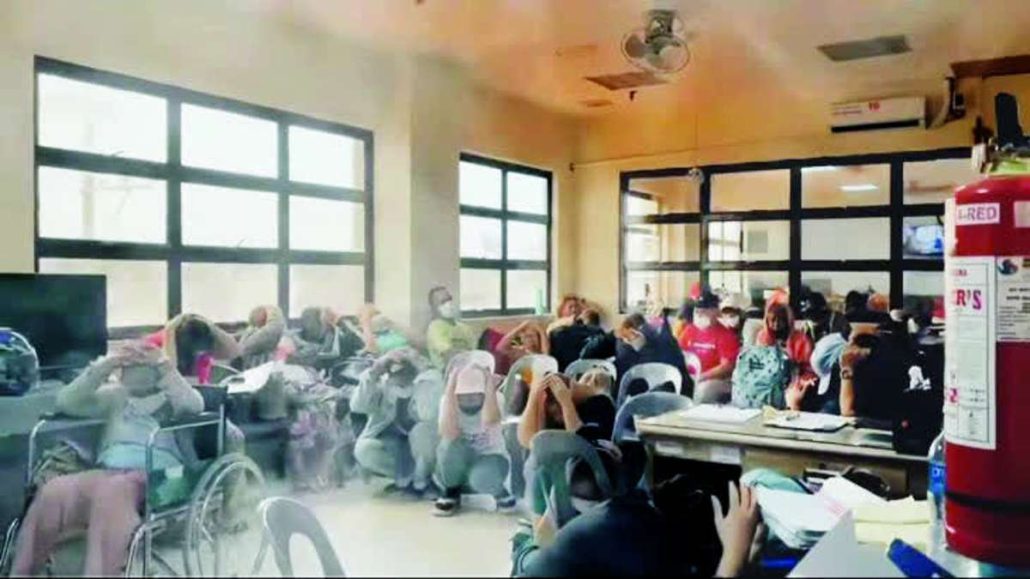
Tonight’s drill is intended to test the hospital’s capability to safely evacuate patients, staff, and visitors during a major earthquake while also assessing the readiness of emergency responders.
The exercise comes as authorities continue to monitor heightened seismic activity across the country and in Western Visayas, where residents recently felt a magnitude 4.7 earthquake centered in Anini-y, Antique.
The quake was triggered by the Negros Trench, one of the region’s major earthquake generators alongside the West Panay Fault.
As a multi-specialty center in Region 6, WVMC provides comprehensive health care including sub-specialty outpatient and inpatient medical services; comprehensive cardio-pulmonary care; advanced diagnostic imaging (including MRI and CT scans); HIV confirmatory laboratory services; and specialized psychiatric and mental health care.
RDRRMC chairperson and OCD-6 director Raul Fernandez has enjoined all national government agencies, local government units, schools, private establishments, and the general public to participate in the nationwide earthquake drill.
Fernandez stressed the importance of regularly conducting earthquake drills, particularly in schools and large establishments such as malls, to ensure that employees and clients know how to react when a strong earthquake strikes.
He also emphasized the importance of practicing the “duck, cover, and hold” procedure.
During the WVMC exercise, nearby residents and establishments are expected to witness the activation of sirens and alarms, movement of hospital personnel and emergency responders, evacuation simulations, and coordinated nighttime emergency operations within the hospital grounds.
“These are part of the scheduled activities only and do not indicated a real emergency. The community is encouraged to remain calm and avoid misinterpreting the exercises,” part of the advisory issued by WVMC stated.
Following the drill, OCD-6 and WVMC officials will conduct an assessment to identify areas needing improvement and ensure the safety of patients, doctors, nurses, hospital personnel, and visitors in the event of a real earthquake.
Authorities reminded the public that earthquakes are caused by the sudden movement of rock materials beneath the Earth’s surface and urged households, offices, and communities to remain prepared by securing structures, preparing emergency go-bags, and participating in regular disaster preparedness activities.
They also reiterated standard earthquake safety measures, including staying calm, taking cover under sturdy furniture during shaking, moving to open areas afterward, remaining alert for aftershocks, and immediately evacuating to higher ground if a tsunami threat exists in coastal areas./PN