

A CHILD denied vaccination because of misinformation is a child unnecessarily exposed to danger. When thousands of children remain inadequately protected against preventable diseases, misinformation ceases to be merely an online nuisance. It becomes a serious public health threat.
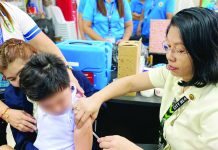
This is the reality confronting Iloilo City as health authorities prepare another school-based immunization campaign amid persistent vaccine hesitancy fueled by misleading social media claims.
The numbers are worrisome. Last year, only 47.65 percent of targeted Grade 7 students and 64.58 percent of Grade 1 students received their scheduled vaccinations, far below the government’s 95 percent target.
These figures point to thousands of children who may remain vulnerable to diseases that modern medicine has long made preventable.
What makes the situation particularly upsetting is that vaccines are available and health workers are prepared to administer them. Yet fear, distrust and unverified information continue to stand between children and potentially lifesaving protection.
Parents naturally want to protect their children. But parental concern becomes dangerous when decisions are shaped more by frightening social media anecdotes than credible medical evidence.
An illness occurring after vaccination does not automatically mean the vaccine caused it. Unfortunately, misinformation thrives precisely because it ignores this distinction. A sensational Facebook post can spread faster than a medical advisory, and an unsupported claim, repeated often enough, can begin to sound like established fact.
The City Health Office, Department of Health, Department of Education and barangay authorities must recognize that vaccination campaigns are also campaigns for public trust.
Simply announcing vaccination schedules is no longer sufficient. Health authorities must aggressively counter falsehoods through sustained community education, school-based orientations, barangay consultations and accessible explanations of vaccine benefits and risks.
Teachers, barangay health workers and local officials must help ensure that accurate medical information reaches hesitant parents before misleading narratives take hold.
Authorities must also determine why vaccination coverage fell so far below the target. Misinformation is a serious obstacle, but last year’s earthquakes also disrupted immunization activities. Identifying the actual causes of missed vaccinations is essential to finding effective solutions.
The October 19 to December 13, 2026 immunization campaign offers Iloilo City an opportunity to correct these shortcomings. Success, however, should be measured not by the number of activities conducted but by how many previously unprotected children finally receive their vaccines.
The stakes extend beyond individual households. Inadequate vaccination coverage increases communities’ vulnerability to outbreaks of contagious diseases, putting even those who cannot be vaccinated for medical reasons at greater risk.
Ultimately, Iloilo City must confront two enemies simultaneously: vaccine-preventable diseases and the misinformation that allows these diseases to threaten more children.
The city cannot afford another year of disappointing vaccination coverage. When misinformation succeeds in frightening parents away from vaccines, it is not science that suffers defeat. It is the children whose protection is sacrificed.
And no community that genuinely values its children’s future should accept that.