


BACOLOD City — The Negros Occidental provincial government has intensified biosecurity measures following the deaths of 1,213 hogs worth an estimated P14.46 million between May 20 and June 22, as authorities move to contain the resurgence of African Swine Fever (ASF).
Data released by Provincial Administrator Atty. Rayfrando Diaz II showed that the reported losses represent 4.06 percent of the province’s 29,880 hog population.
Gov. Eugenio Jose Lacson confirmed Tuesday, June 23, the resurgence of ASF in Negros Occidental but said local chief executives in affected areas are still submitting reports on hog mortality within their respective jurisdictions. Provincial authorities have yet to determine how many of the reported deaths were directly caused by ASF.
Lacson underscored the need for strict enforcement of biosecurity protocols to prevent the further spread of the disease and minimize its impact on the province’s swine industry.
Several local government units have since strengthened preventive measures to protect their livestock sectors.
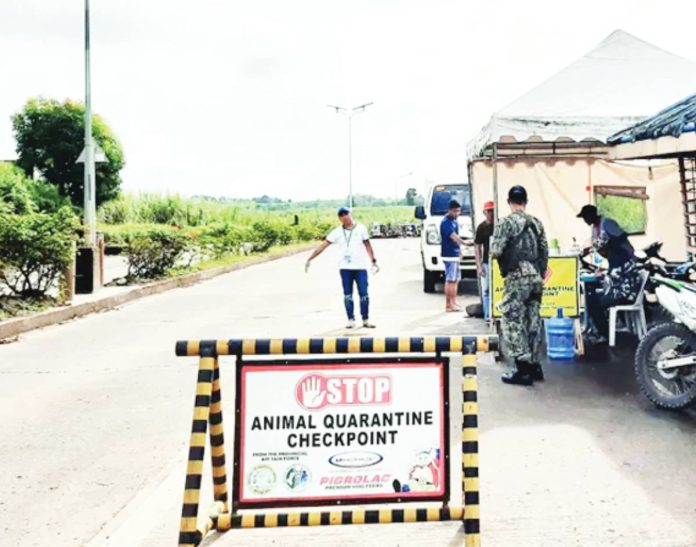
In La Castellana, Mayor Añejo Nicor said the municipality remains free of confirmed ASF cases. As a precaution, checkpoints have been established at entry points to regulate the movement of live pigs, swine semen, and processed pork products coming from outside the town.
Meanwhile, the Talisay City government has heightened its defenses against transboundary animal diseases through Executive Order No. 35, Series of 2026, signed by Mayor Weng Lizares.
The order mandates stricter biosecurity measures, intensified disease surveillance, tighter regulation of the movement of animals and animal products, and closer coordination among government agencies, barangays, livestock raisers, traders, and transporters.
City Agriculture Officer Katherine Day Gemotra said the initiative aims to protect the livestock industry, ensure food security, and safeguard the livelihoods of farmers from the potentially devastating effects of animal disease outbreaks.
Talisay officials also urged livestock raisers, traders, and transporters to comply with veterinary and quarantine regulations and to immediately report suspected cases of animal diseases.