



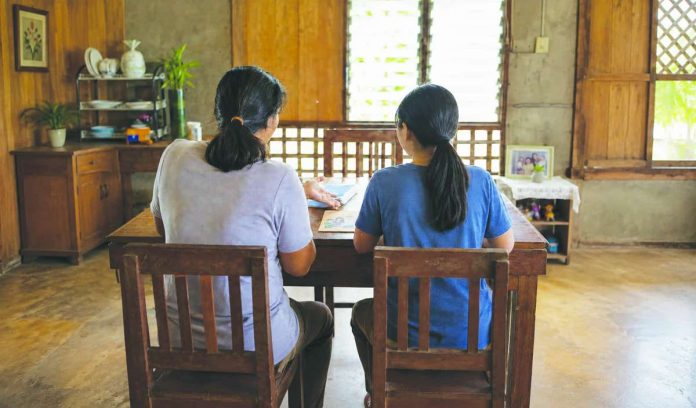
ILOILO City – Only one in every five young people in Western Visayas feels comfortable discussing sex and sexuality with their parents, a communication gap that could leave adolescents vulnerable to unintended pregnancy, sexual abuse, and sexually transmitted infections such as the human immunodeficiency virus.
The Commission on Population and Development (CPD) Region 6 said the finding from the 2021 Young Adult Fertility and Sexuality Study underscored the need to equip parents to become their children’s first and most reliable source of age-appropriate sexual health information.
Although Western Visayas was among the country’s top three regions in embracing sexuality education at home, Regional Director Harold Alfred Marshall said only 20 percent of its young people reported being comfortable discussing sexual matters with their parents.
Many parents remain constrained by inadequate knowledge, embarrassment and the conservative culture surrounding discussions of sex, according to Marshall.
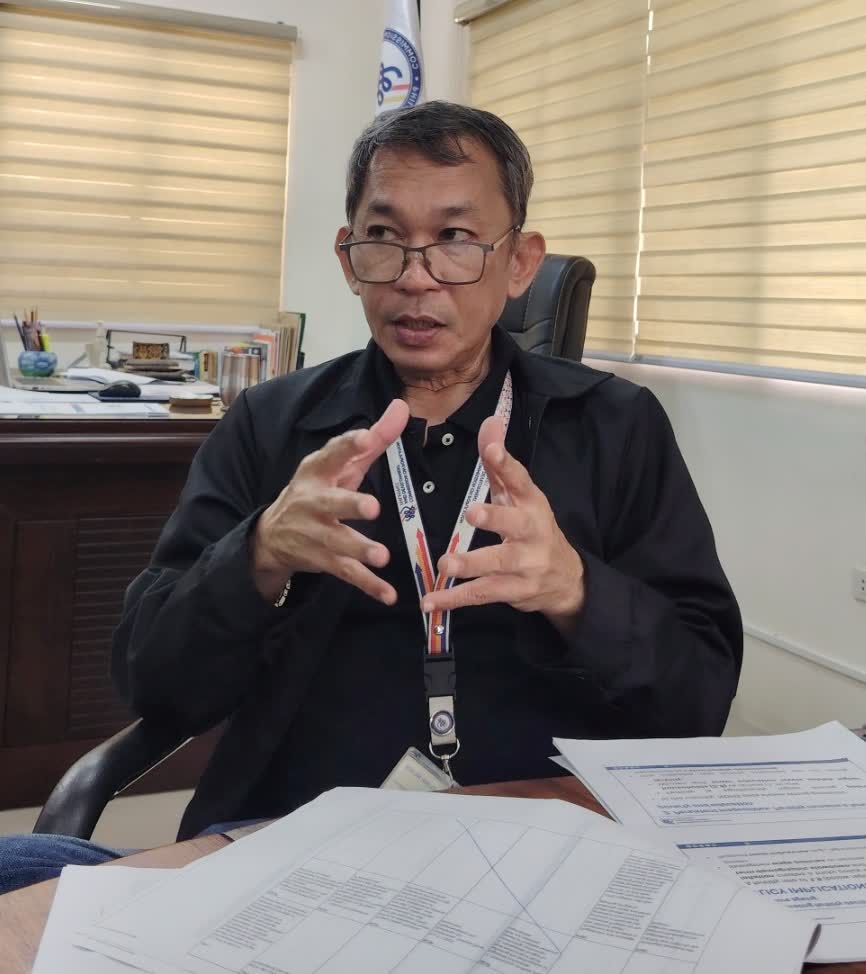
“We must consider the background of parents; they need to be adequately informed. If parents lack the necessary knowledge, they cannot address their children’s questions appropriately. Moreover, our conservative societal background makes it difficult for parents to talk openly about such topics,” Marshall added.
Children asking basic questions about reproduction are sometimes reprimanded instead of being given accurate and age-appropriate answers, he lamented.
“Pamangkuton sang kabataan kon paano sila ginhimo, sabton sila nga ‘bastos ka’ or ‘kabata pa sa imo pero amo na ina ginapamangkot mo.’ Pero even if capable ang parents, na-embarrass sila magsabat,” said Marshall.
While there are, indeed, parents that “gina-engage ang ila kabataan, they are only 20%, and we don’t even know what sort of conversation they do or what is their definition of sex,” the CPD-6 director added.
“Basi gina-sugarcoat pa nila because they don’t want to use graphic nga mga tinaga. So that’s one thing we need to address. Aside from educating our youth, we should educate also aton mga ginikanan on how to converse with their children regarding sensitive, sometimes embarrassing issues such as sexuality,” Marshall said.
Dr. Roilo Vincent Laguna, CPD-6 population program officer III and officer-in-charge, said sexuality education must begin within the family.
“Parents should be the first sex educators of their children,” he stressed.
Laguna encouraged parents to use everyday situations as “teachable moments.”
A television scene showing a kiss, for example, could open a conversation about relationships, intimacy and personal boundaries, he said.
Sexuality education should also cover personal hygiene, reproductive health and protection from inappropriate physical contact, added Laguna.
“It’s vital for parents to teach their children about good touch and bad touch, and for young girls to understand menstrual health,” he said.
CPD-6 also flagged a gender imbalance in household conversations, with parents more likely to discuss sex with daughters than with sons.
“This indicates a troubling gender disparity that needs to be addressed,” Laguna added.
Marshall warned that merely telling adolescent girls they can become pregnant after menstruation does not amount to comprehensive sexuality education.
“When a girl begins menstruating, there’s often a warning from her mother about the potential for pregnancy. This lack of comprehensive sexual education can leave young people unprepared and vulnerable, which is evident in the rising concerns around issues like HIV (human immunodeficiency virus) and AIDs (Acquired Immune Deficiency Syndrome) among youth,” he warned.
Marshall said boys and young men must likewise be taught about sexuality, consent and responsible behavior.
“Ang gender disparity ara sa gihapon, that’s one thing we need to correct also. That’s why may ari kita HIV and AIDS cases among young people. Parents tend to not teach them on being responsible,” Marshall lamented.
CPD-6 is working with the Department of Social Welfare and Development, Department of Health and other government agencies to integrate responsible parenthood and family planning into their programs.
“This is part of our broader agenda to ensure that parents are equipped with credible information essential for fostering healthy conversations about sexuality,” Marshall said.
The 20-percent figure nevertheless represented an improvement from previous surveys, which placed the proportion of young people comfortable discussing sex at home at only 12 to 15 percent.
Marshall attributed the increase partly to government interventions and the wider availability of information through social media.
“Social media has become a double-edged sword, providing access to information that can serve as a catalyst for discussions in households,” he explained.
However, he stressed that parents must themselves be properly informed before they can guide their children.
“Parents must also have access to correct information to effectively guide their children,” he stressed./PN