


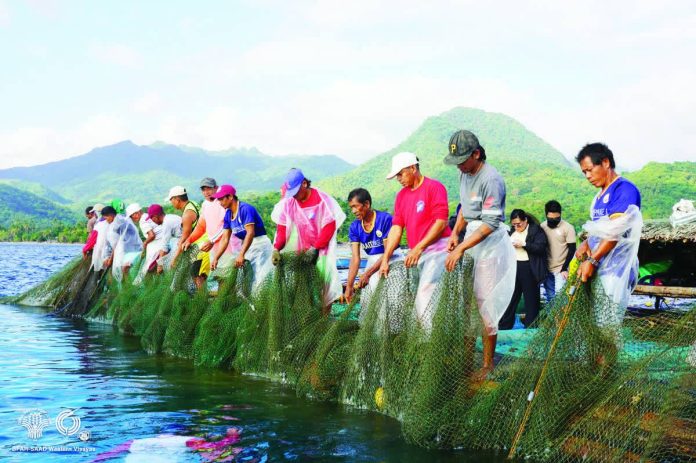
ANTIQUE — The Pajo Fisherfolk and Farmers Association (PaFFA) recorded gross sales of P303,624 in January following a 19-day lambaklad fishing operation.
The operation yielded a total of 2,008.25 kilograms of various fish species, including hasa-hasa (short-bodied mackerel), tabudlong (round scad), dalusan (frigate tuna), and gurayan (skipjack tuna).
A key component of the operation is the participation of local workers known as “boso.” Though not formal members of the association, they provide additional manpower during fishing and harvesting activities.
Revenue from the harvest is allocated to ensure fair compensation among contributors: Ronda (10 percent), Maestro (5 percent), Segundo (2 percent), Operator (2 percent), Swimmer (3 percent), operational expenses (2 percent), and lambaklad maintenance (10 percent).
After these deductions, 40 percent of the net sales is distributed among the boso, while the remaining 60 percent is reinvested into the association to sustain and expand operations. The arrangement, PaFFA said, not only supports individual households but also strengthens the organization’s long-term capacity.
Aneben V. Miguel, a PaFFA member, cited improvements in their catch following repairs to their lambaklad, a traditional fixed fishing platform.
“Based on our observation, our harvest significantly increased from December to January after repairs were made to our lambaklad. With the help of BFAR-SAAD, especially the additional nets provided, our lambaklad is now positioned more accurately. This has increased our harvest and income. We now have food on the table every day and the means to support our children’s schooling,” Miguel said.
The lambaklad serves as a steady source of income for fisherfolk families, helping address daily livelihood needs. Earnings from the operation also enable the association to reinvest in equipment and operational improvements.
About DA-BFAR SAAD Phase II
The Department of Agriculture – Bureau of Fisheries and Aquatic Resources (DA-BFAR) Special Area for Agricultural Development (SAAD) Phase II Program aims to reduce poverty and improve the living conditions of marginalized fisherfolk communities.
Through sustainable livelihood interventions and support initiatives, the program complements existing government efforts to assist disadvantaged fishing sectors. It seeks to help beneficiaries establish community-based fishery enterprises, strengthen food security, and promote inclusive economic growth in targeted areas nationwide./PN