


MANILA — The El Niño phenomenon may start developing by August to October this year, according to the Philippine Atmospheric, Geophysical and Astronomical Services Administration (Pagasa).
In an interview with the INQUIRER, Pagasa Climate Monitoring and Prediction Section Chief Ana Liza Solis said that since they started monitoring the potential development of El Niño in December 2025, they have seen the “increasing probability of getting it this year, at least by August-September-October season.”
Solis, meanwhile, clarified that the early impact of the developing El Niño is not yet warmer temperatures or a dry spell, but rather an increase in rainfall or an “intense” habagat season.
“During El Niño, it doesn’t always mean drought. El Niño also means that the Western Luzon area, which we call the Type 1 climate during the habagat season, experiences intense rainfall. Our countrymen in Western Luzon need to be prepared that when El Niño arrives, there will be heavy rain and floods during the habagat season,” Solis explained, speaking mostly in Filipino.
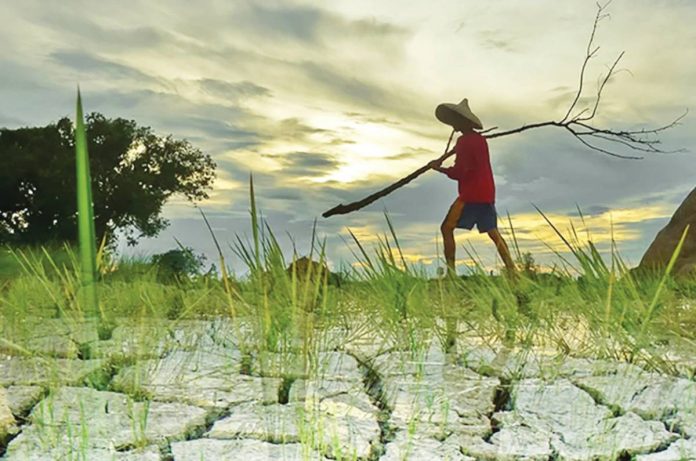
“And then after the habagat season, we will experience a lack of rainwater, which could lead to a dry spell or drought,” she added.
If El Niño persists, the worst-case scenario—based on Pagasa’s historical record—is that areas in Luzon could already experience below-normal rainfall as early as the last quarter of 2026.
Warmer temperatures possible in 2027
Solis noted that various parts of the country may still experience hot and humid weather this summer because the northeast monsoon season, or the cool wind amihan, may have already ended.
However, the intense or warmer temperatures expected with the imminent El Niño could persist only during the 2027 dry season.
“If this El Niño prolongs this year, it may impact our hot temperatures next year,” she said.
Solis added that the heat index in 2027 may be comparable to the “record-breaking” heat indices reported in 2024. However, she emphasized that the predicted weather pattern may still change depending on whether El Niño persists:
“Right now, we haven’t seen its full strength yet, whether it will last longer or intensify. What we see is a high possibility of an El Niño this year, August-September-October season.”
She advised the public to focus first on preparing for the possibility of heavy rain during this year’s habagat season, caused by the developing El Niño.
For context, the country experienced an El Niño phenomenon in 2023 that persisted through June 2024. (Mary Joy Salcedo © Philippine Daily Inquirer)