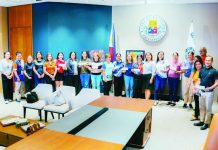


ANTIQUE — The Pagsapupo Center will double the daily meal allowance of its wards beginning January 2026, increasing the allocation from P25 to P50 per meal, or P150 per child per day.
The adjustment aims to improve the nutrition and overall well-being of girls temporarily sheltered at the facility. The move follows a directive from Paolo Javier, who visited the center in October 2025 and called for enhanced support, particularly in ensuring proper nutrition to aid in the children’s recovery and development.
Rebecca Hope T. Lotilla, Social Welfare Officer III and head of the center, said the additional funding is vital to guarantee that the children receive adequate nourishment while under temporary care.
The Pagsapupo Center is a 24/7 shelter operated by the Provincial Government of Antique for abused women and children. It provides holistic, trauma-informed services, including psychosocial support, health and legal assistance, and other developmental interventions designed to strengthen clients’ resilience and prepare them for reintegration into their families and communities.
Currently, 12 clients are under temporary shelter and case management, out of the 25 children served in 2025. Most of them are victims of sexual abuse.
Despite their circumstances, the children continue their elementary and high school education with financial support from the provincial government and counterpart assistance from their respective local government units.
Lotilla emphasized that the center strictly follows admission and discharge protocols. Children are admitted only when their safety is at risk, and placement with relatives or referrals from agencies such as the Municipal Social Welfare and Development Office, the Violence Against Women and Children desk, or the Philippine National Police Women and Children Protection Desk are first explored.
Discharged clients undergo careful reintegration with family and community support, with post-discharge monitoring handled by the Municipal Social Welfare and Development Office.
Some cases require long-term care, including a child from Caluya who has been under the center’s supervision since 2017, Lotilla said.
In situations where a child’s safety is again compromised after discharge, the center intervenes and may arrange foster care while social workers reassess and determine the most appropriate intervention.
The increase in meal allowance reflects the provincial government’s continuing commitment to protect vulnerable children, strengthen their recovery, and provide them with a safer and more hopeful future./PN