


THE PHILIPPINES is seeking to ramp up agricultural cooperation with Turkiye. In particular, Manila wants to expand trade with Ankara in poultry, seafood and tropical products and also boost production of Halal-certified feed.
The Department of Agriculture (DA) said its officials recently met with counterparts from the Turkish Embassy. The talk focused on enhancing food security and opening new markets for high-value Philippine exports.
“The Philippines sees potential to become a regional hub for Halal-certified feed, combining local corn production with Türkiye’s feed formulation expertise,” the DA said in a statement over the weekend.
Turkish officials emphasized that their feeds must contain no animal by-products and proposed using the Waqf fund scheme. This is an Islamic social finance model channeling agricultural investments into charitable returns.
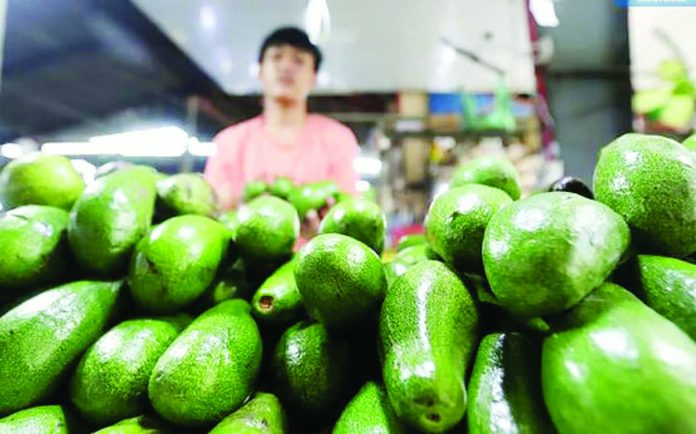
The DA said they are looking at increasing exports of bananas, pineapples and tuna. They also want to promote niche fruits such as avocados, durian, papaya and dragon fruit for Turkiye’s premium retail and foodservice markets.
In the case of poultry, Philippine officials highlighted strong biosecurity and regulatory oversight and positioned the country as a credible and science-based trade partner.
Beneficiaries in Sorsogon
They also tackled the collaboration with the Turkish Cooperation and Coordination Agency. This covered the donation of hauling trucks to Sorsogon farmers, which will benefit 10 groups, including women’s and indigenous associations.
“Joint training, agricultural scholarships, and research partnerships on sustainable farming and climate resilience were also discussed,” the DA said.
Both parties agreed that Turkiye’s Halal standards, poultry expertise and agricultural finance and the Philippines’ tropical fruits, fisheries and feed production, can provide the foundation for enhanced agricultural trade.
The DA noted that Philippine exports to Turkiye totaled $42.2 million, soaring by over 150 percent from $16.8 million in 2021, reversing years of trade deficits.
About $16 million in trade surplus was recorded in the first semester of 2025. This was driven by cargos of coconut oil, desiccated coconuts, carrageenan, tobacco and protein concentrates. (Jordeene B. Lagare © Philippine Daily Inquirer)