
PRESERVING and nurturing the environment is part of the Iloilo City government’s development roadmap called W.H.E.E.L.S. (Welfare, Health and Sanitation, Education, Environmental Management, Livelihood, and Sustainability).
Under the leadership of Mayor Jerry P. Treñas, the city government creates sustainable and environment-friendly initiatives to make the metro greener and more livable.
“We continue to promote our natural treasures to make Iloilo City one of the most livable metros in the country,” said Treñas.
Thus, among others, there’s massive tree planting activities in open spaces, plazas, floodway, and roads.
One thing remarkable in this undertaking is the drive to propagate native trees across the metropolis.
Planting native trees is more than just helping improve biodiversity and greening the earth. It also uplifts the sense of pride and enhances heritage awareness of a community.
Iloilo, for instance, is the only place in the country which has a native tree named after it – the Iloilo tree (Aglaia argentea).
To raise awareness about this, four years ago then Ilonggo senator Franklin Drilon and local government officials headed by Treñas and Gov. Arthur Defensor Jr. planted two saplings of Iloilo tree at the provincial capitol grounds. They hope to instill among Ilonggos that native plants are part of the Ilonggo heritage.
For some groups of native tree enthusiasts and environmental advocates, which launched a petition through change.org to plant more Iloilo tree and other native trees particularly on the Iloilo Provincial Capitol grounds, planting native trees will not only enhance the heritage awareness of the Ilonggos but will also give the Ilonggo youth a living, physical connection to their ancestors who lived with these trees at a time when forests still covered a great part of the Philippines.
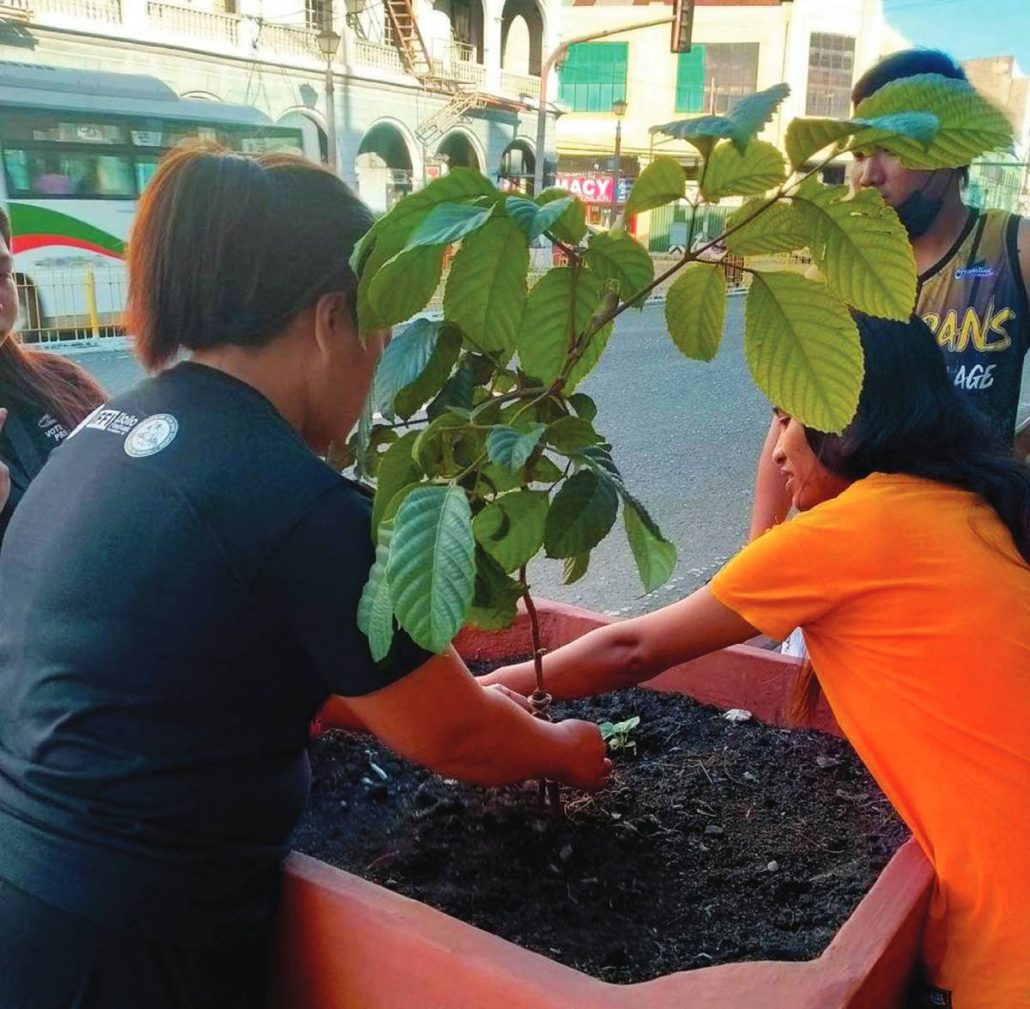
Meanwhile, to complement the historical significance of the plazas such as Plaza Libertad and Jaro Plaza, various native trees including the Iloilo tree were planted.
Treñas also led the planting of native Anilao tree and Salinggogon in Molo plaza in partnership with the Zoological Society of London, PNTE, and barangay officials.
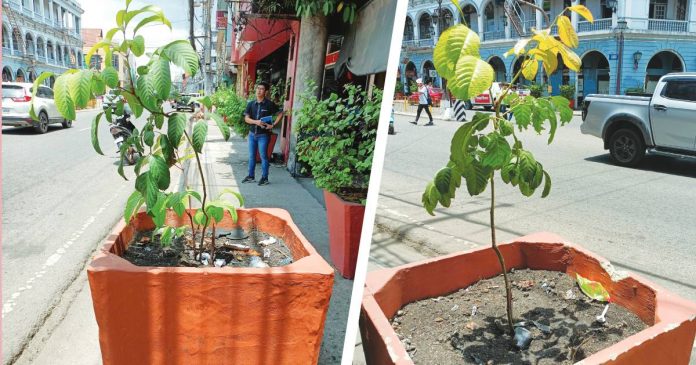
Along Iloilo City’s famous Calle Real, native trees Bagalunga, Itang-itang, Lanete, Banago, Kahoy Dalaga, and Mali-mali species were planted in big pots to bring foliage in the area and provide shade when they grow.
More native trees were also planted along the stretch of the Sen. Benigno Aquino Jr. Avenue, particularly from Barangay Taft North, Mandurriao district to barangays Dungon 1 and 2 as well as in General Luna Street, City Proper district.
These included Alibangbang, Ahern Balok, Salinggogon, Balitbitan, Bani, Achuete, Balay Lamok, Duguan, Bignay, Banaba, Balay Lamok, Pitogo, Catmon Sibuyan, Dangkalan, Banasi, Dita, and Bagawak.
Furthermore on the pipeline also is the plan to grow 2,000 native trees including the Iloilo tree along the 10-kilometer stretch starting from the service road of the Iloilo International Airport in Sta. Barbara town up to Barangay Ungka II, Pavia.
Iloilo City Executive Assistant for Environment Armando Dayrit said Treñas wants to welcome the visitors with beautiful sight of native trees and to emphasize that Iloilo is environment-friendly.
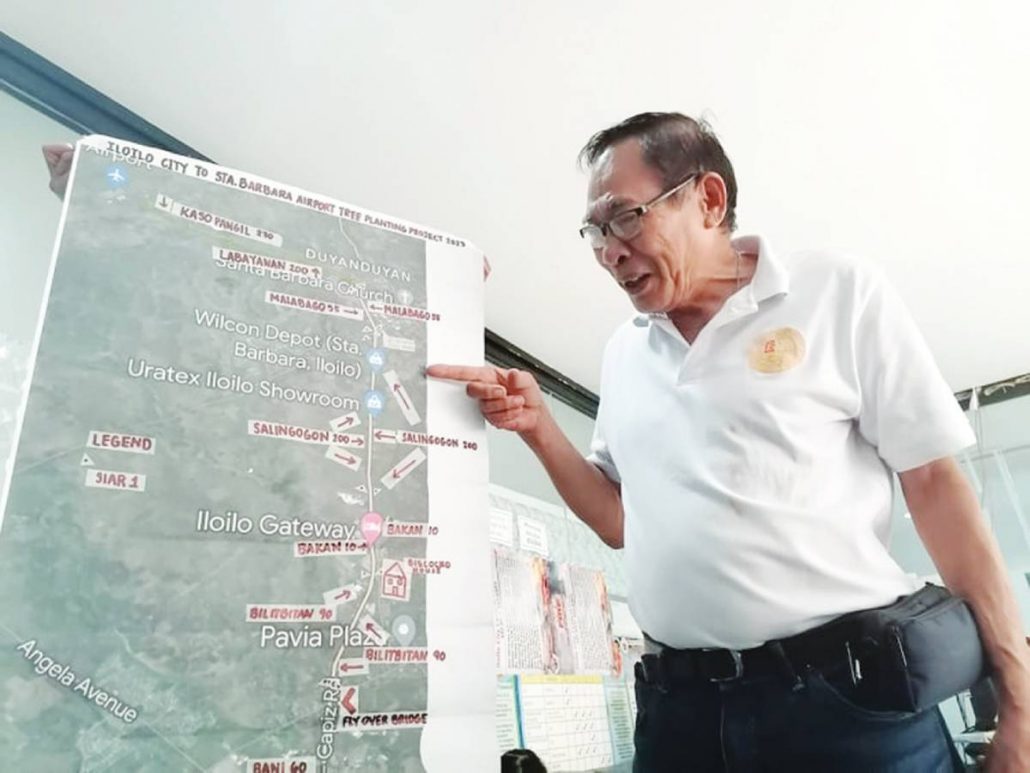
Dayrit said they are eyeing to start the planting activity by May or June this year in time for rainy season.
Treñas himself has already got the go signal from the Civil Aviation Authority of the Philippines and the Department of Public Works and Highways regarding the plan.
The city mayor also plans to issue an executive order requiring all real estate developers, barangay officials and school heads to plant native trees in their areas every year.
He added all open spaces in subdivisions shall be planted with native tree seedlings and will be assisted by the city government’s departments and offices through providing the seedlings.
Meantime, Dayrit noted they target to plant native trees in 75 vacant spaces owned by the city government located inside subdivisions.
The city government is running a nursery in Barangay Caingin, La Paz district. Currently, there are 16,000 seedlings, of which around 10,000 are native species.
On the other hand, on top of the priorities in sustaining the environmental needs of the city is the proposed Tree Park Network Project.
Under the project, eco-forests in three districts namely, Iloilo Tree Park in Barangay Lanit, Jaro; Beach Forest in Barangay Boulevard, Molo; and Mangrove Eco-park in Barangay, La Paz will be established.
Treñas emphasized aside from providing additional recreational facilities for the public and opportunities to bring people closer to nature to support efforts to achieve Sustainable Development Goals, the tree park project also aims to help mitigate the effects of climate change and restore biodiversity in the city./PN