
ILOILO – TVI Resource Development Philippines Inc. (TVIRD) is on the brink of its Mineral Production Sharing Agreement (MPSA) expiring in mid-June 2024.
The agreement, which has been in effect for 25 years, authorized the company to undertake exploration and mining activities on Pan de Azucar Island in Concepcion town. However, the company has only conducted exploration due to various factors, including the COVID-19 pandemic, and has not yet begun mining operations.
As the expiration approaches, Cesar Emmanuelle Buyco Jr., head of the Provincial Government Environment and Natural Resources Office (PGENRO), said TVIRD must apply for a permit renewal with the Mines and Geosciences Bureau (MGB) central office.
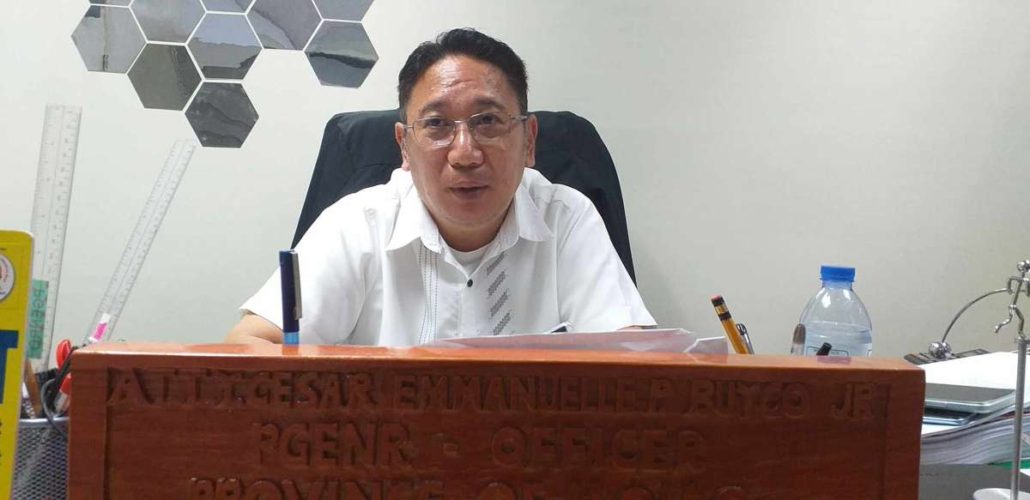
However, he said, there is significant opposition from local residents of barangays Taloto-an, Macatunao and Tambaliza in Pan de Azucar Island, as well as from Gov. Arthur Defensor Jr. himself.
Over the recent weekend, a petition circulated by residents of the three barangays voiced their strong opposition to the renewal of the exploration and mining permit.
The petition reads, “We, the dwellers of Pan de Azucar Island, are empowered enough to come to together and safeguard our environment for our younger generations so that they can taste a life of a safe, peaceful and harmonious community.”
It continues, “As we express our strong opposition against this inhumane act of alien companies in Pan de Azucar Island, we affix our signatures to appeal to the higher authority to act immediately, and demand not to grant the renewal of their permits to resume their exploration/mining activities. It’s time for the government to act out, defend and favor its citizens than these companies because we believe that the voice of the people, our voice is the voice of God.”
The “Save Pan de Azucar Island Movement”, which spearheads the petition, has collected approximately 500 signatures.
The provincial government is monitoring whether the national government will renew the mining company’s permit and for how long.
Buyco explained that a significant change in the mining law was implemented between 2010 and 2012 under the late President Benigno Aquino III, which now requires that only exploration permits be issued for exploration activities, and a separate MPSA must be applied for mining operations, necessitating an Environmental Compliance Certificate (ECC) from the Department of Environment and Natural Resources (DENR) central office.
In case the MGB grants the permit renewal, Buyco assured that the provincial government would still seek measures to prevent the exploration and mining operations.
He also mentioned that Governor Defensor is seeking support from fellow governors nationwide to amend the Local Government Code to empower local government units to reject mining operations within their jurisdictions.
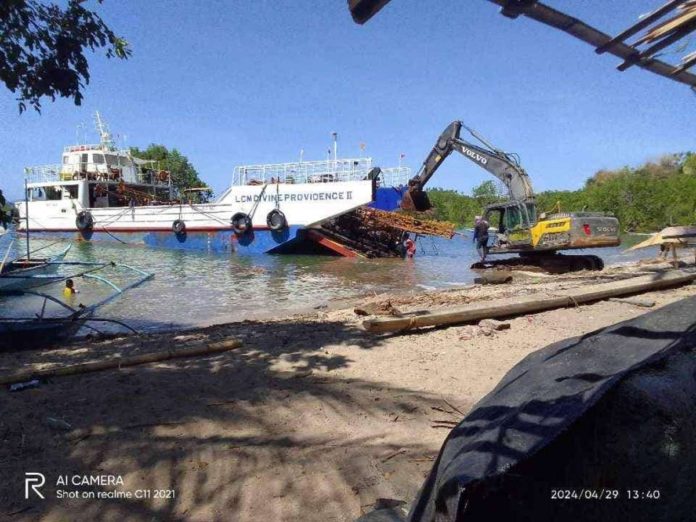
Currently, there are no ongoing activities at Pan de Azucar after TVIRD pulled out its equipment following a Cease and Desist Order issued by Defensor in March 2024, due to arsenic found in the groundwater, which poses a significant health risk to local residents and marine life.
The mining company is awaiting the results of ambient water sampling conducted in March by the Environmental Management Bureau (EMB) to determine the presence of arsenic in the groundwater at Barangay Taloto-an, the exploration site.
The results are expected to be released this May or June.
Arsenic is a naturally occurring chemical element found in the Earth’s crust. It typically appears in a gray, metallic form but also can combine with other elements to form organic and inorganic compounds. In the environment, arsenic is released from natural mineral deposits and can contaminate water, air, and soil. It is used in various industrial processes, such as in the manufacture of pesticides, wood preservatives, and alloys.
Exposure to arsenic, particularly in drinking water, can lead to severe health effects. Short-term exposure can cause nausea, vomiting, and diarrhea, while long-term exposure can result in more severe consequences such as skin changes, cardiovascular diseases, and an increased risk of cancers, particularly of the skin, bladder, and lungs. Due to its toxicity and prevalence, arsenic contamination is a significant public health concern in many parts of the world./PN