
THE WARNING could hardly be clearer: a “very strong” El Niño may be approaching, and waiting until faucets run dry, farms wither and reservoirs shrink would be an unforgivable failure of preparation.
The Philippine Atmospheric Geophysical and Astronomical Services Administration (PAGASA) warns that El Niño could intensify toward the end of 2026 and persist into the first half of 2027. Monthly rainfall could plunge by 60 percent or more, while way below normal rainfall could increase the threat of drought and prolonged dry conditions.
For Iloilo and the rest of Western Visayas, this warning must trigger action now.
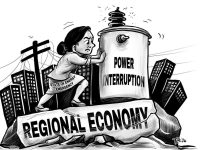
The danger with drought is that its devastation is rarely sudden. Unlike a typhoon that arrives with violent winds and floods, drought creeps in quietly. Wells begin yielding less water. Irrigation becomes inadequate. Crops struggle. Farmers lose income. Households experience interruptions. Businesses face higher operating costs. By the time the public recognizes the severity of the crisis, precious months for preparation may already have been wasted.
PAGASA Iloilo weather forecaster Leonor Silvestre has already urged households to conserve and, where possible, store water. Farmers have likewise been advised to adjust their crops and planting activities to anticipated weather conditions. But preparation cannot be left to households and farmers alone.
Local governments, water utilities, irrigation authorities and agriculture agencies must treat the coming months as a critical preparation window. Water sources should be assessed, vulnerable communities identified, irrigation schedules reviewed, alternative water supplies prepared and farmers given timely guidance on crop selection and planting schedules.
Government should also intensify campaigns against water wastage while examining leaks and inefficiencies in distribution systems. Every liter lost through defective infrastructure becomes more consequential when rainfall becomes scarce.
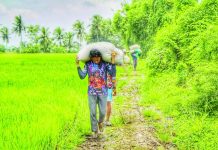
Agriculture deserves particular attention. A severe dry spell can erase months of labor and investment in a matter of weeks. Small farmers, who have the least financial cushion against crop failure, cannot simply be told to “adjust.” They need usable forecasts, appropriate seeds, irrigation support, crop insurance and technical assistance before planting decisions are made.
The forecast gives government something disasters often do not: time.
PAGASA projects conditions to deteriorate significantly beginning in November, while by January 2027 much of the country could experience way below normal to below normal rainfall. By February, those conditions are projected across the entire country.
That advance warning must not be squandered.
Iloilo has experienced the consequences of extreme heat and water stress before. The lesson should be simple: preparedness is cheaper than emergency response. Spending now to secure water sources, protect agriculture and educate communities will cost far less than rescuing livelihoods after crops have failed and communities are already scrambling for water.
And ordinary Ilonggos have a responsibility, too. Conservation should begin while water remains available — not when shortages have already begun. Fix leaking faucets, avoid unnecessary consumption and use water efficiently. The small savings of thousands of households collectively become significant.
A “very strong” El Niño is still a forecast, and its impacts will vary by location and severity. But uncertainty is not an excuse for complacency. It is precisely why preparation must begin early.
The worst time to formulate a drought strategy is when the drought has already arrived.