


THE LAUNCH last week of a multi-agency price monitoring initiative in Western Visayas is a welcome step in protecting consumers from profiteering, hoarding, and unjustified price increases. At a time when global economic pressures and rising fuel costs due to the tension in the Middle East threaten to push commodity prices higher, the public needs reassurance that government agencies are keeping a close watch on the marketplace.
But monitoring alone will not protect consumers.
If the effort is to have real meaning, it must lead to swift and visible enforcement of the law against those who manipulate prices or take advantage of the public’s vulnerability. Otherwise, the initiative risks becoming just another bureaucratic exercise — one that observes problems but fails to solve them.
The Price Act (Republic Act 7581) was enacted precisely to prevent abusive market practices. It empowers the government to act against hoarding, profiteering, and price manipulation of basic necessities and prime commodities. Yet the effectiveness of the law ultimately depends on how firmly and consistently it is enforced.
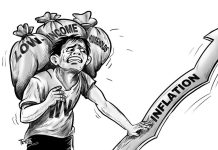
Western Visayas offers a clear reminder of why enforcement matters. The region’s consumers, like many others across the country, are already grappling with the ripple effects of rising fuel costs. When fuel prices climb, transportation costs follow. When transportation becomes more expensive, the price of food and other basic goods inevitably rises.
Under such circumstances, the last thing families need is artificial price inflation caused by unscrupulous traders.
This is why the newly strengthened monitoring effort—bringing together agencies such as the Department of Trade and Industry, Department of Agriculture, Department of Health, Department of Energy, and the Department of Environment and Natural Resources—must not stop at tracking prices. It must also ensure that violators are identified, investigated, and penalized.
When hoarding occurs, authorities must move quickly to release supplies and hold those responsible accountable. When profiteering is discovered, penalties must be imposed without hesitation. When price manipulation is suspected, investigations must be thorough and transparent.
Visible enforcement sends a powerful message: the market is not a playground for opportunists.
Equally important is the role of the public. Consumers themselves are often the first to notice suspicious price movements. By reporting questionable increases and cooperating with authorities, citizens can serve as valuable partners in safeguarding fair market practices.
But for this partnership to work, the government must respond decisively to complaints. Reports of abuse should not disappear into bureaucratic silence. They must lead to prompt action.
Ultimately, the credibility of the government’s price monitoring initiative will be measured not by the number of inspections conducted but by the number of abuses prevented or punished.
Consumers in Western Visayas—and across the country—deserve more than reassurance that prices are being watched. They deserve the certainty that the law will be enforced.
Price monitoring is important.
But price enforcement is what truly protects the public.