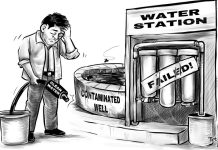



EVERY time drought strikes Western Visayas, farmers are forced into a painful and familiar struggle — dwindling water supply, damaged crops, mounting debts, and uncertain futures. And every time this happens, the same question emerges: why do the people who feed the region remain among the most vulnerable during agricultural crises?
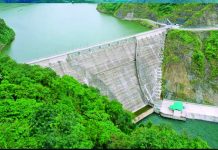
The critically low water levels now affecting major irrigation dams in Iloilo, Antique, Aklan, and Capiz are warning signs of another potential agricultural disaster waiting to unfold. For farmers, especially small rice producers, prolonged drought can wipe out an entire season’s income.
The National Irrigation Administration has already warned about severe water shortages affecting key irrigation systems across Western Visayas amid extreme heat and the looming threat of a “Super El Niño.” As irrigation supply weakens, many farmers may soon face difficult choices — whether to continue planting despite uncertainty, reduce cultivation areas, or abandon planting altogether to avoid even bigger losses.
Whatever decision they make carries enormous risks.
A failed harvest does not only mean lost crops. It means unpaid loans, inability to buy seeds and fertilizer for the next season, interrupted schooling for children, and deepening poverty in farming communities already struggling with rising production costs.
Western Visayas has repeatedly experienced how climate-related agricultural disruptions devastate rural livelihoods. Yet despite recurring droughts and El Niño episodes, many farmers remain dangerously exposed whenever extreme weather conditions emerge. This reveals a serious weakness in the country’s agricultural protection systems.
Crop insurance, for example, remains inaccessible or insufficient for many small farmers. Some are either unaware of available programs or discouraged by complicated processes and delayed claims. During major crop failures, financial assistance often arrives too slowly, forcing farmers to borrow from informal lenders just to survive. This cycle traps many agricultural families in long-term debt and vulnerability.
Government support during drought periods must therefore go beyond mere advisories and emergency announcements. Farmers need immediate, practical, and sustained assistance. Stronger crop insurance coverage should become a priority. Insurance systems must be simplified, expanded, and made more responsive so farmers can quickly recover from climate-related losses. Delayed assistance defeats the very purpose of protection.
Emergency aid programs must also be proactive rather than reactive. Local governments and national agencies should already have ready mechanisms for distributing financial assistance, fuel subsidies, seeds, fertilizer support, and alternative livelihood opportunities even before drought conditions worsen.
Equally important is technical support. Many farmers still lack access to climate-adaptive farming technologies, drought-resistant crop varieties, and modern irrigation methods that could help minimize losses during prolonged dry spells. Agricultural extension programs must be strengthened and made more accessible, especially in remote farming communities.
Farmers cannot be expected to fight climate-driven agricultural disasters armed only with hope and experience.
The region must also invest more aggressively in long-term climate resilience measures such as modern irrigation systems, water impounding facilities, watershed rehabilitation, and sustainable water management programs. Without these, Western Visayas will continue repeating the same cycle of crisis every time extreme heat intensifies.
What makes the situation even more troubling is that farmers carry the burden not only for themselves but for society as a whole. When agriculture suffers, food production declines. Rice prices rise. Food security weakens. Entire local economies feel the impact.
Protecting farmers, therefore, is not merely an act of compassion. It is an economic and national necessity.