


ILOILO Province’s 1.4 percent economic growth in 2024, its weakest in years, should not be read merely as a statistical dip but as a warning that the province’s agricultural model may be nearing its breaking point. The 15.9 percent contraction in agriculture, forestry, and fishing, driven by drought, disease, and environmental decline, shows that traditional ways of farming can no longer withstand the pressures of a changing climate and globalized market. It is time to stop patching the cracks and start rebuilding the foundation.
For decades, Iloilo’s farmers have battled the same enemies — dry spells, pests, and rising input costs — with the same old tools. Relief aid and seed distributions, while necessary, merely keep the sector breathing. What Iloilo needs now is reinvention, not resuscitation. The province must embrace agricultural modernization that blends mechanization, innovation, and entrepreneurship to make farming profitable, resilient, and attractive once again.
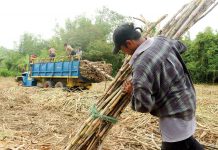
Mechanization must be at the forefront. While many farmers still rely on manual labor and outdated equipment, machines can dramatically cut production costs, speed up harvests, and increase yields. Provincial investments should prioritize farm machinery pools, shared service facilities, and training programs to ensure that modern tools actually reach smallholders instead of gathering dust in municipal warehouses.
Equally crucial is agro-processing — the missing link between raw production and value creation. Iloilo’s abundant crops, from rice and corn to fruits and sugarcane, can generate far greater income when processed locally into flour, feeds, chips, or preserves. Every kilo processed in Iloilo rather than shipped out raw means more jobs, higher farmer incomes, and stronger local industries. The province’s economic zones should welcome agri-based enterprises, not just manufacturing or service companies.
Digital agriculture offers another frontier for transformation. With accessible satellite data, weather alerts, and mobile-based market platforms, farmers can now plan smarter, minimize risks, and sell directly to buyers. The provincial government must bridge the digital divide by ensuring connectivity even in remote barangays and supporting agri-tech startups that can tailor innovations for local use.
Finally, Iloilo must reignite youth engagement in farming. The average age of Filipino farmers hovers around 57 — an alarming sign that the next generation is turning away from the land. The province should promote agripreneurship programs, integrate agri-innovation into schools, and create incentives for young Ilonggos to see farming not as backbreaking labor but as a high-tech, high-value enterprise.
Iloilo’s future prosperity depends on whether it dares to transform its oldest sector into its most dynamic one. Climate change has made one thing clear: survival will not come from waiting for rain but from cultivating innovation. The province that once fed the region must now feed the future — with ideas, technology, and the courage to reinvent itself.