



ILOILO City – City disaster officials have warned residents against being lulled into complacency by the onset of the rainy season, saying a lingering El Niño could still trigger water shortages later this year and force the city to rely on emergency distribution measures.
The Iloilo City Disaster Risk Reduction and Management Office (CDRRMO) said the city is experiencing the combined effects of the southwest monsoon (habagat) and El Niño, a situation that may bring periods of heavy rainfall in the coming months but could eventually lead to dwindling water supplies as the monsoon weakens.
“Ang warning namon sa pumuluyo naton, let us not be complacent nga subong May, June, July, up until August may ulan kita mabatyagan. Let us start saving water. Kay pagpatak sang bulan sang September, basi dira kita magkaran-karan pangita supply,” said Darwin Joemil Papa, head of the Disaster Response Division of the CDRRMO.
Papa said weather conditions remain uncertain as El Niño continues to influence climate patterns while habagat is already bringing rains across the region.
“Nagdungan. Nag-start na ang pagbatyag naton sang El Niño plus nagsulod si habagat. We will be expecting rains and worse, kon may bagyo, wala ta napangayo, it will be a very strong tropical cyclone. Amo na ang aton balantayan,” he added.
The warning comes after the Philippine Atmospheric Geophysical and Astronomical Services Administration (PAGASA) declared the onset of the southwest monsoon on May 30 and the rainy season on June 4.
PAGASA earlier issued an El Niño Alert on April 22, with conditions expected to persist until early 2027.
Despite current wet weather, the CDRRMO stressed that El Niño remains a long-term climate phenomenon that could eventually bring prolonged dry spells and reduced water availability.
Rio Beth Sinon, resident meteorologist of the CDRRMO Operations Center, explained that El Niño and habagat are separate weather systems that can occur simultaneously.
“El Niño is a long-term climate phenomenon, while monsoons are seasonal wind patterns that bring rains. During an El Niño period, ocean temperatures rise and feed the development of tropical cyclones,” Sinon said.
According to Sinon, Western Visayas is expected to experience normal to near-normal rainfall from June to September. However, rainfall may become less frequent toward the latter part of the year as the Southwest Monsoon weakens, potentially paving the way for hotter and drier conditions.
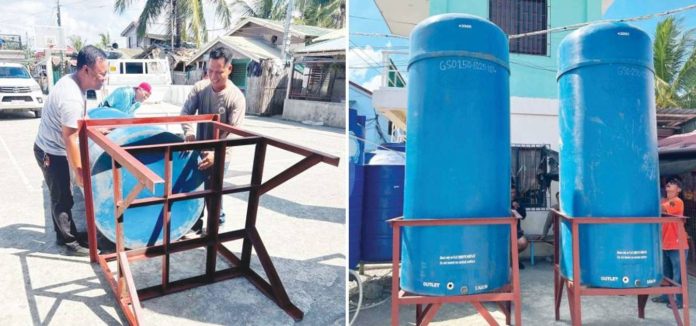
In anticipation of possible water shortages, the city government has intensified preparations through the Crisis Management Council and is closely monitoring 25 barangays identified as having critical water supplies. Static water tanks have also been deployed for immediate water distribution if necessary.
Aside from conserving water, the CDRRMO urged residents to practice everyday preparedness by carrying umbrellas and monitoring weather advisories as conditions remain unpredictable./PN