


ILOILO City — Local disaster officials moved to correct widespread public misconceptions over tropical cyclone warning signals and weather-related class suspensions, stressing that early cancellations are meant to save lives — not react to current weather conditions.
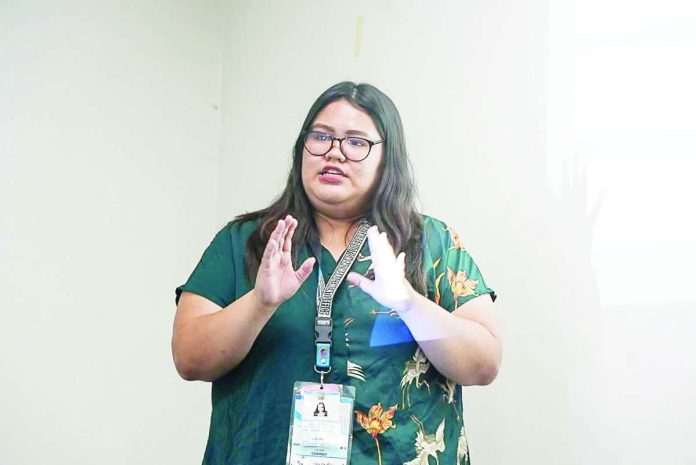
During the “Meteorology 101: Understanding Extreme Heat and Drought and Climate Outlook for May–December 2026” briefing on May 12, meteorologist Patricia Ann Constantinopla emphasized that tropical cyclone warning signals are based on forecast wind threats and preparation time, not on whether skies are currently clear or rain is already falling.
“That is a common misconception. Tropical cyclone signals are not based solely on rain; they are based on the maximum sustained wind speeds and the lead time — the window of time given for the public to prepare,” she said.
Constantinopla explained that Signal No. 1 already serves as an advance warning, giving communities 36 to 48 hours to prepare before hazardous weather conditions are expected to strike.
“Just because it is currently sunny doesn’t mean a threat isn’t coming,” Constantinopla stressed.
The clarification came amid recurring public criticism over class suspensions declared despite seemingly calm weather conditions — a concern repeatedly raised during tropical cyclone threats and severe weather advisories.
“We cancel to give you the lead time to prepare. It is a proactive measure for potential disasters. Sometimes, people get frustrated when classes are suspended during Signal No. 1, but the goal is to ensure everyone is safely situated before the conditions worsen,” she said.
Constantinopla also addressed confusion involving suspension policies for colleges and universities, explaining that different governing bodies sometimes create inconsistencies in implementation.
“While the City Government can issue suspensions, the Commission on Higher Education sometimes operates under different jurisdictional rules compared to basic education. This is why you might see discrepancies where some levels are suspended and others are not,” she explained.
She added, however, that local authorities continue coordinating closely to harmonize suspension decisions, especially during severe weather events.
The meteorologist stressed that suspensions are not declared arbitrarily but are based on extensive risk assessments conducted by disaster authorities.
“We cannot cancel based on one factor alone. We consider the expected hazard, the preparedness of the community, and whether emergency resources and public transportation can still move safely,” she said.
According to Constantinopla, recommendations for class and public event cancellations in Iloilo City are issued by the Iloilo City Disaster Risk Reduction and Management Office only after forecasts and hazard data undergo validation and cross-checking.
“It isn’t an easy call to make. We cross-validate all information and check available resources. If the data suggests weather conditions will hit extreme levels, we provide supporting documentation and recommend cancellation of both classes and public events to the City Government,” she said.
The climate briefing forms part of Iloilo City’s intensified information campaign aimed at improving public understanding and promoting more responsible reporting on weather disturbances, extreme heat, drought, and possible tropical cyclones expected to affect parts of Western Visayas in the latter half of 2026./PN