



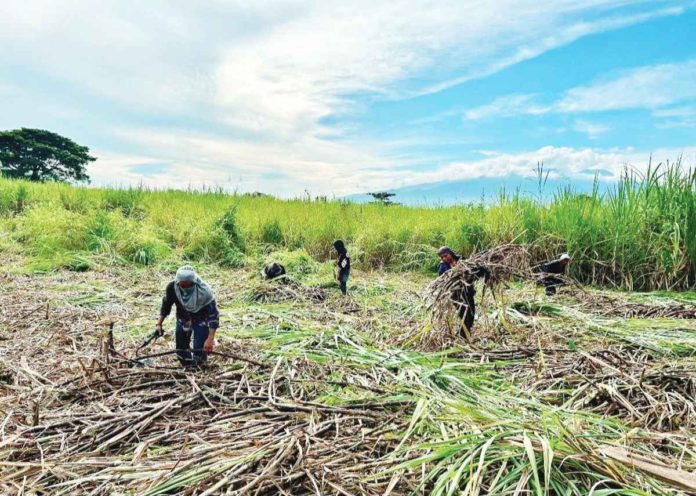
SOME sugar-producing areas in the country have already felt the effects of El Niño.
Among these are sugar plantations in Kabankalan City, Negros Occidental and Batangas, the Sugar Regulatory Administration (SRA) said.
Due to this, the production of sugar has gone down.
From a target of 1.850 million metric tons (MT) of sugar produced, preliminary estimate shows production of 1.750 million MT, a drop of more than 100,000 MT, the SRA said in a report by Bernadette Reyes on “Unang Balita” on Wednesday, Jan. 24.
“Sometimes 20 to 30% or even more decrease… ‘Yung progressive farmers natin sa Negros, everyone has been complaining of a drop. In Batangas, the same thing. So this is all related to weather,” SRA administrator Pablo Luis Azcona said.
If only there were enough water, sugar cane plants will thrive, the United Sugar Producers Federation of the Philippines (UNIFED) said.
“Ang effect nitong drought will be next crop year. Starting September of this year all the way to 2025, doon natin maramdaman na short na naman tayo,” UNIFED president Manuel Lamata said.
He added: “It is concerning po. If you have less production, there will be less money for the farmer. That’s how it’s going to be. And we’re going to be importing more sugar kung ganoon,” he added.
The SRA however said although sugar production decreased, there is no need for consumers and businesses to worry as there is enough buffer stock of sugar amounting to 200,000 MT.
“‘Yung drop in production, if it happens, we have naman the buffer stock. So retail naman is not supposed to go up based on that. That will stay until milling ends. So we will always have a buffer kasi ‘yung if it’s milling season, nagha-harvest tayo, sobra ‘yung production natin sa consumption,” Azcona said.
President Ferdinand Marcos Jr. already approved the allocation of P5 billion to allow the government to buy sugar from farmers through the Philippine International Trading Corporation.
The sugar to be bought by the government is expected to be sold in the market from June to September this year before the milling season starts. (GMA Integrated News)