



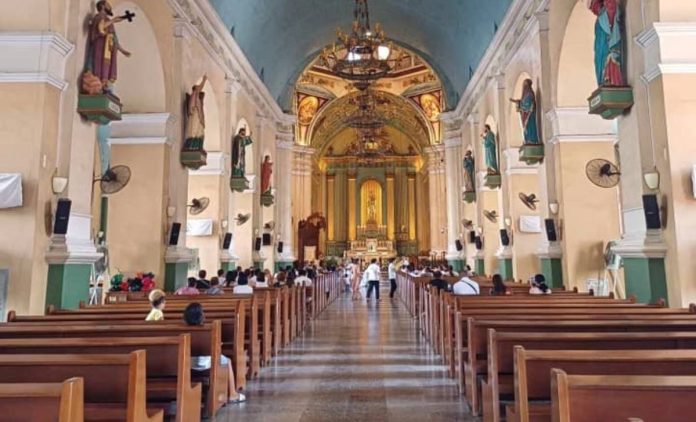
NESTLED within the historic Jaro Metropolitan Cathedral, forty-three notable lapidas — Spanish for “gravestones” — honor the men, women, and youth who dedicated their lives to faith, philanthropy, and community service.
These memorials, adorning the cathedral’s interior walls and main posts, mark the final resting places of 74 individuals, including seven Bishops of Jaro, reflecting a unique blend of ecclesiastical leadership and lay devotion.
Historical context, notable figures
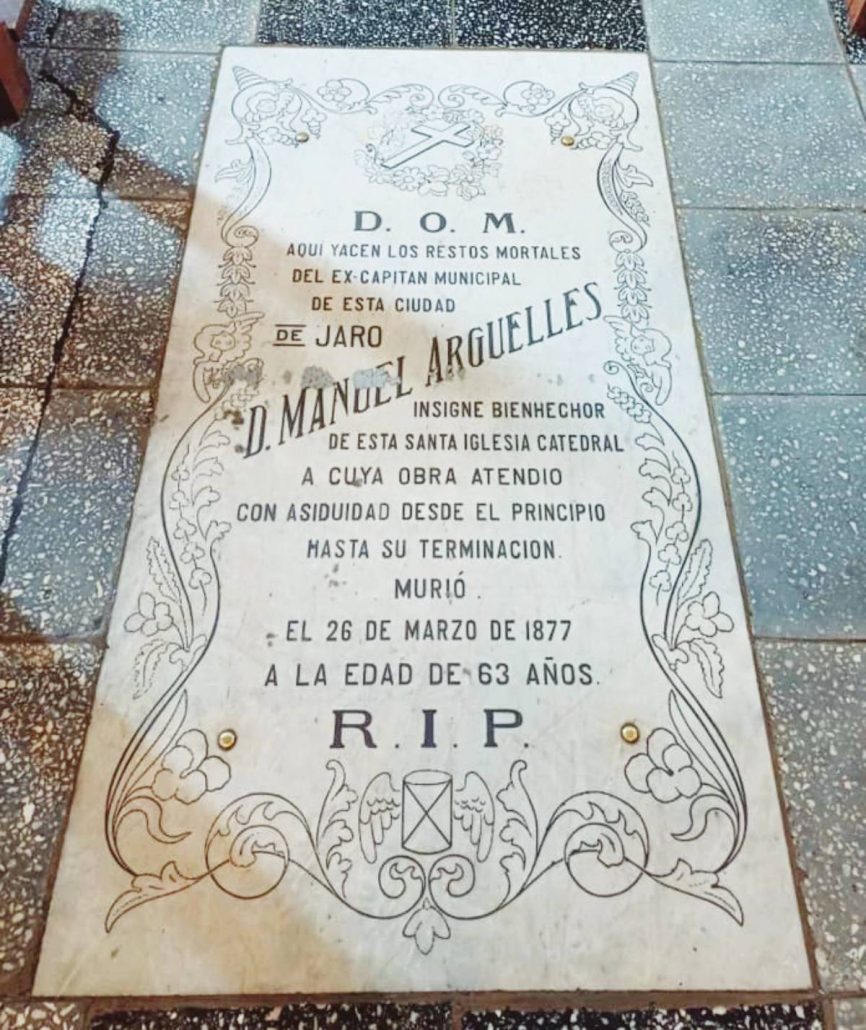
The individuals interred at Jaro Cathedral left lasting contributions to both the Cathedral and the wider community. Among them, Faustina Catajay, the oldest, passed away at 90 in 1917, while Josefina Guadarama, the youngest, died at just six years old in 1912. The first recorded burial was that of Don Manuel Arguelles on March 26, 1877, at the age of 63. A distinguished benefactor, Arguelles played a pivotal role in the Cathedral’s construction, funding its left wing and overseeing the project in his capacity as capitan municipal (municipal mayor). Known for his civic leadership and philanthropy, he earned admiration from peers, including national hero Graciano Lopez Jaena, and his legacy continues today through streets bearing his name and descendants such as Doña Agatona Arguelles Jalandoni, founder of the Agatona 1927 Museum Cafe.
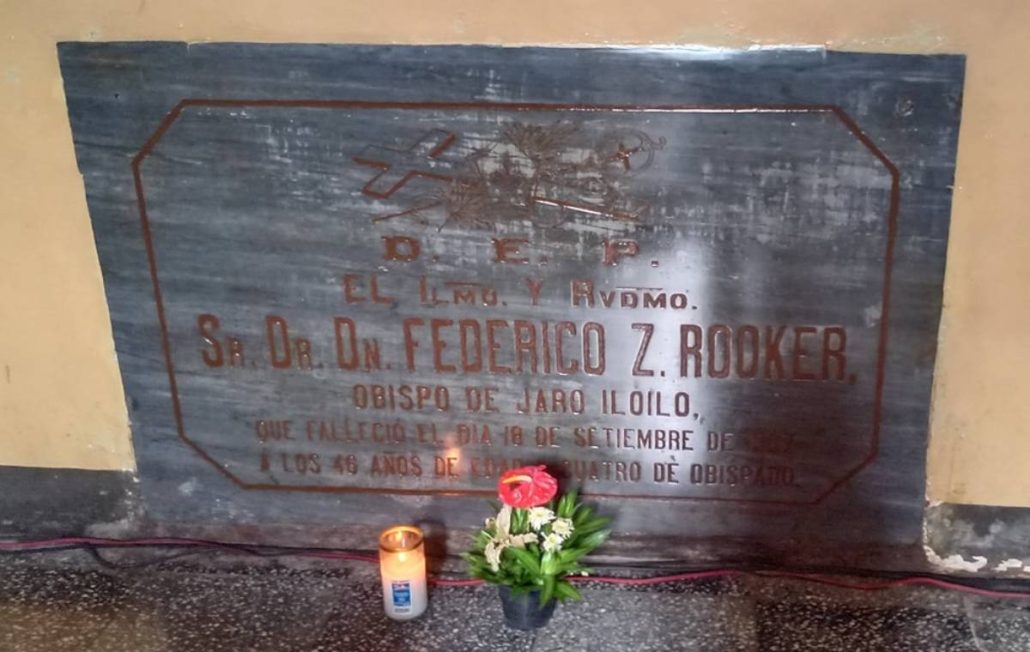
The last burial was of Most Reverend Alberto Jover Piamonte, Archbishop of Jaro, who passed away on December 17, 1998, at the age of 64 and is remembered as an exemplary pastor. Other prominent figures interred in the Cathedral include Most Reverend James P. McCloskey, the longest-serving Bishop of Jaro, and Most Reverend Frederick Z. Rooker, the first American bishop, underscoring the Cathedral’s rich ecclesiastical history.
Artistic and architectural significance
Beyond their memorial function, the lapidas at Jaro Cathedral are remarkable examples of period artistry. They feature intricate Catholic symbols such as angels, crosses, wreaths, and grieving figures in bas-relief, reflecting the cultural expressions of mourning and faith during their time. Twenty-one lapidas depict winged angels, some adorned with fresh floral wreaths, while others are shown leaning on crosses or tombs. Two lapidas incorporate European designs enhanced with filigree ornamentation, suggesting a possible Asian-Balinese influence and creating a distinctive stylistic blend. One particularly moving lapida portrays a sleeping infant in a lacy crib, guarded by a winged angel beneath a delicate canopy — a poignant testament to enduring love and reverence.
Legacy and remembrance
For descendants and the community, these lapidas are more than markers of death; they are symbols of lives well-lived, philanthropy, piety, and devotion. Visitors are reminded to reflect on the exemplary lives commemorated within these sacred walls, acknowledging the contributions that shaped both the Cathedral and the community it serves.