


EVERY All Saints’ Day and All Souls’ Day, cemeteries come alive with flowers, candles, prayers and families remembering those who have gone before them. But behind the freshly painted tombstones and neatly swept graves is another story — one that deserves just as much attention. It is the story of the living who depend on the dead to survive.
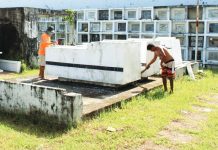
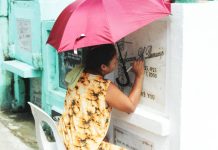
Cemetery caretakers, grave cleaners and tombstone painters find in “Piyesta Minatay” an opportunity to earn a little extra money. For these workers, November 1 and 2 are opportunities to put food on the table, pay household bills and keep their children in school. Some have spent three decades maintaining graves. Others more than 40 years practicing sombra, the traditional craft of restoring faded tombstone inscriptions. These seasonal odd jobs are honest labor that rarely receives public recognition.
But business is no longer what it used to be. There was a time when cemeteries were already bustling with customers by October 28. Today, the crowds are noticeably thinner, thus: “Sang una dako ang kita. Subong pigado.”
Those few words speak volumes about the economic struggles of workers whose livelihoods depend on seasonal demand. While the prices of basic commodities continue to strain household budgets, even the modest earnings that these workers once anticipated are becoming increasingly uncertain.
And herein lies a larger issue that local governments should not ignore. How often do we consider the economic contributions of workers operating at the margins — the cemetery cleaners, tombstone painters, candle vendors and flower sellers whose earnings may determine whether their families eat comfortably for the next few days? Their work may be informal, but their contribution is real.
Informal workers are often the most economically vulnerable. Without stable income, dependable employment benefits or sufficient financial protection, a few days of poor business can have serious consequences for their households.
This is where government intervention should make a meaningful difference. Local governments need not transform cemetery maintenance into a heavily regulated industry. What they can do is recognize these workers as legitimate participants in the local economy and help them improve their livelihoods.
Skills training, access to microenterprise assistance, affordable social protection and opportunities for supplementary employment during lean months would be far more meaningful than ceremonial expressions of concern for the poor.
Equally important is ensuring that cemetery management policies do not unnecessarily disadvantage independent workers who have served families for generations. After all, maintaining a grave is not simply a matter of removing weeds, scrubbing concrete or repainting faded letters. It is also an act of preserving memories and honoring the dignity of those who have passed away. The workers who perform these tasks deserve dignity themselves.
There is also something profoundly ironic about a society that spends generously to honor its dead while overlooking the struggles of those who make such commemorations possible. We can afford elaborate flower arrangements, expensive candles and beautifully restored tombstones. Surely, we can also afford to recognize the value of the hands that prepare these graves for our annual visits.
The Undas tradition teaches us remembrance, gratitude, compassion and respect. But these virtues should not end at the graveside. They should extend to the people who quietly labor among the tombs, often under the scorching sun, so that others may honor their departed loved ones in comfort.
Perhaps the most meaningful tribute we can offer this “Piyesta Minatay” is not merely to light another candle for those who are gone, but to shine a little more attention on those still struggling to make a living. For what does it say about our compassion if we meticulously care for the resting places of the dead while remaining indifferent to the hardships of the living?
The dead deserve remembrance. The living deserve opportunities.