THERE is a certain image many of us carry when we think about our fathers. He is standing at the doorway after a long day at work, his face stern and unreadable. He speaks little, but when he does, everyone listens. His footsteps alone can quiet a room. He is the disciplinarian, the provider, the protector – the strongest and bravest person in the family.
For many Ilonggos, that is what a father looked like growing up. Unlike mothers whose affection often came in hugs, kisses, comforting words, and warm meals prepared after a long day, fathers expressed their love differently. Their language was responsibility. Their affection was sacrifice. Their care was often hidden beneath a face that seemed too serious and a voice that carried authority.
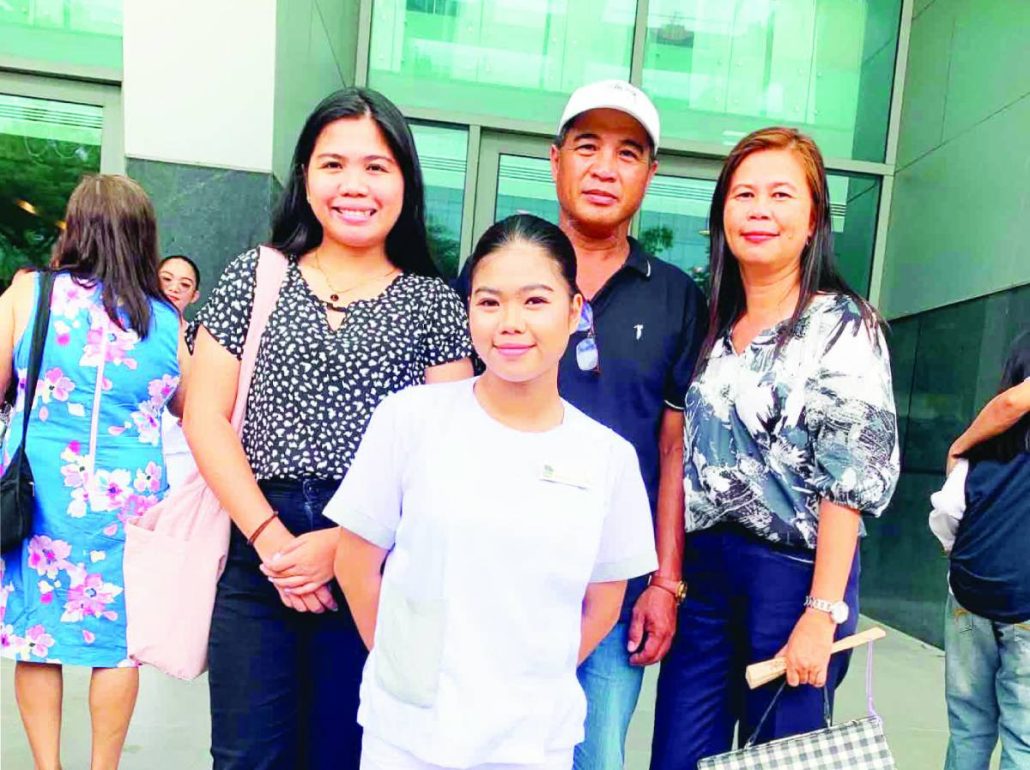
Many of us grew up fearing our fathers before fully understanding them. We remember the raised eyebrows whenever we came home late. We remember the lectures after receiving poor grades. We remember the belts hanging behind the door and the broomsticks that occasionally found their way to our backsides after a serious mistake.
As children, those moments felt harsh. But as we grew older, we began to understand what many fathers could never find the words to say. The discipline was never rooted in cruelty. It was born from fear – not fear for themselves, but fear for what might happen to their children if they failed to teach them right from wrong.
Many Ilonggo fathers belonged to a generation where expressing emotions openly was not encouraged. They were taught that a man should be tough, composed, and unwavering. Tears were hidden. Worries were kept private. Problems were carried silently.
To them, being a father meant carrying the family’s burdens without complaint. They had to be the strongest person in the room even when they felt weak. They had to be brave even when they were afraid. They had to keep going even when they were tired.
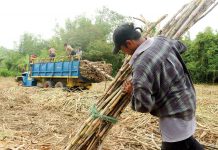
In many homes, fathers woke up before sunrise and returned long after sunset. Some worked in construction sites under the scorching heat. Some spent long hours driving jeepneys and tricycles. Others worked in offices, farms, fishing boats, or overseas jobs that kept them away from their families for months or years.
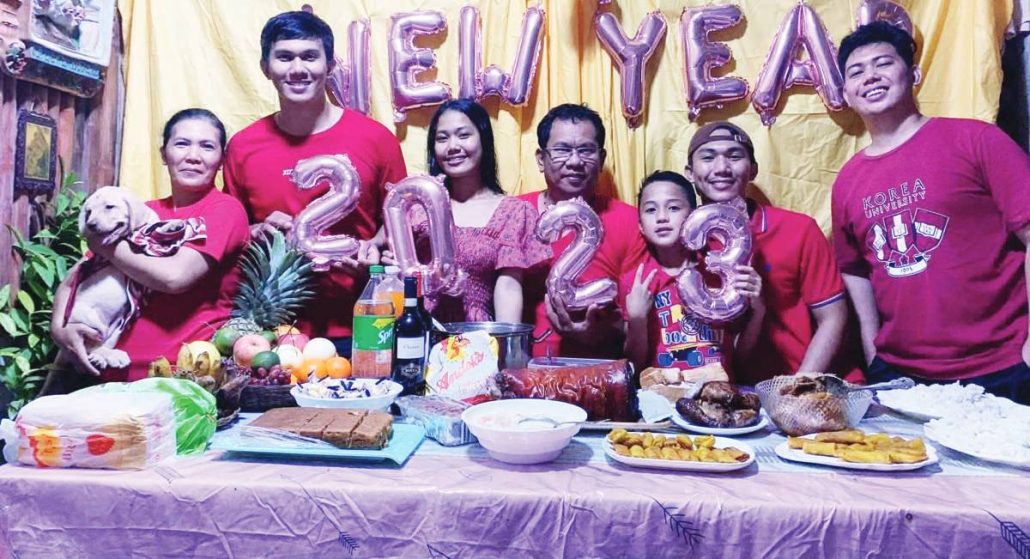
Their love was measured not by words but by what they were willing to endure. They missed birthdays because they were working. They skipped meals so their children could eat more. They postponed their own dreams so their sons and daughters could pursue theirs. Yet despite all these sacrifices, fathers often remain the least celebrated figures in the household. Perhaps it is because their love is quiet.
Many children can easily recall their mother’s comforting embrace after a difficult day. But they may struggle to remember the last time their father said, “I love you.” And yet, somehow, they knew. Because love was hidden in the extra money secretly slipped into a child’s pocket. It was in the father who stayed awake until everyone came home safely. It was in the motorcycle rides to school. It was in the repaired bicycles, fixed roofs, and countless problems solved without asking for recognition.
Ironically, many of us sought refuge in our fathers whenever our mothers scolded us. After receiving a stern lecture from our mothers, we would quietly move closer to our fathers hoping for rescue. And often, they would come through.
The same man who had disciplined us a week earlier would suddenly become our ally. He would buy us ice cream. He would crack a joke. He would tell our mothers not to be too hard on us.
Without saying much, he reminded us that behind his tough exterior was a heart that hurts whenever we are hurt. That is the beautiful contradiction of fatherhood. The man we feared growing up was often the same man who worried about us the most. The man who rarely expressed affection was often the one who silently prayed for our safety. The man who appeared emotionally distant was often carrying dreams bigger than his own life — dreams he hoped his children would someday fulfill.
As adults, we begin to see our fathers differently. We notice the wrinkles that were not there before. We see the tired eyes. We hear the stories of sacrifices we never knew existed. We realize that the strong man we looked up to was also human. He had fears. He had disappointments. He had moments when he felt lost. But he kept moving forward because his family depended on him.
Perhaps that is why Father’s Day matters. It is an opportunity to recognize the men who spent much of their lives making sure everyone else was okay. It is a chance to appreciate fathers not only as providers but as people who long to be understood, valued, and loved.
Because beneath every stern face is a father who has spent years carrying responsibilities few people notice. Beneath every strict rule is a desire to protect. Beneath every sacrifice is love. And beneath every quiet Ilonggo father is a man who may never say all the words his children want to hear, but whose actions have been saying the same thing all along: “I love you. I always have.”
Sometimes, the deepest love is not spoken loudly. Sometimes, it arrives in silence, in sacrifice, and in steadfast presence. That is the love of many Ilonggo fathers – a love rarely expressed, often misunderstood, but deeply felt./PN