


ILOILO — Health authorities have intensified their warning against a surge of rainy season-related illnesses as Iloilo Province continues to record hundreds of dengue cases and increasing cases of influenza and leptospirosis, prompting a province-wide call for stricter disease prevention measures.
The Iloilo Provincial Health Office (IPHO) urged Ilonggos to guard against W.I.L.D. diseases — Water-and food-borne diseases, Influenza-like illness, Leptospirosis, and Dengue — which typically increase during the rainy season due to flooding, contaminated water sources, increased exposure to disease-carrying vectors, and closer indoor contact among residents.
Dr. Rodney Labis, head of the IPHO Health Service Delivery Division, said the province is closely monitoring these diseases in coordination with Municipal Health Offices as rainfall creates conditions favorable for disease transmission.
He noted that water-and food-borne diseases such as cholera, typhoid fever, hepatitis, and paralytic shellfish poisoning become more common during the rainy season because water sources may become contaminated by floodwaters and unsanitary conditions.
“Kalabanan sini mild diseases lang pero kung indi matatapan sang temprano puede maka-cause sang dehydration kag iban pa nga kumplikasyon nga ikapatay sang apektado nga pasyente,” Labis said.
Residents experiencing symptoms such as vomiting, stomach pain, diarrhea, fever, and weakness were advised to immediately seek medical consultation at their Rural Health Unit or the nearest hospital.
To prevent infection, Labis urged the public to practice proper handwashing, ensure drinking water is safe, buy only from licensed water refilling stations, thoroughly wash fresh food, and regularly disinfect or chlorinate water sources when necessary.
The health official also warned of a possible rise in influenza-like illnesses during the rainy season as more people stay indoors, increasing close contact with infected individuals while weather conditions favor virus survival and transmission.
Most vulnerable to influenza are infants, senior citizens, and individuals with underlying illnesses such as hypertension and diabetes.
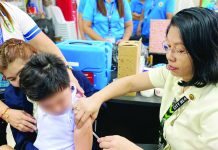
Health authorities encouraged residents to avail themselves of free influenza, pneumonia, and COVID-19 vaccinations at Rural Health Units whenever supplies are available from the Department of Health.
From Jan. 1 to May 30, 2026, Iloilo Province recorded 107 influenza cases, up 19 percent from 90 cases during the same period last year.
Leptospirosis also remains a major concern as farmers, emergency responders, laborers, and residents may be exposed to floodwaters contaminated with rat urine carrying the disease-causing bacteria.
“Ang balatian nga leptos ang delikado kag puede makatuga sang pagkapatay sang pasyente kun indi gilayon matagaan sang nagakaigu nga pagbulong. Para malikawan ang leptos, likawan as much as possible nga maglangoy ukon lusong sa higku nga tubig kag magamit sang butas kag gloves kun indi gid malikawan, especially sa farmers and responders,” Labis said.
He advised residents who have been exposed to potentially contaminated floodwater to immediately visit their RHU for preventive antibiotic treatment.
As of May 30, the province had logged 51 leptospirosis cases with six deaths, a 21-percent increase from 42 cases and two deaths recorded during the same period in 2025.
Dengue, meanwhile, continues to pose the biggest public health threat despite a substantial decline in cases compared with last year.
IPHO records show that Iloilo Province had registered 664 dengue cases and five deaths from Jan. 1 to May 30, 2026. While still significant, the figure is 65 percent lower than the 1,918 cases and nine deaths recorded during the same period in 2025.
Labis stressed the importance of strengthening the implementation of the Department of Health’s “4S” strategy against dengue: Search and Destroy mosquito breeding sites, Seek Early Consultation, Secure Self-Protection, and Support Spraying or Misting operations in hotspot areas.
“Search and destroy ang pinaka-importante nga intervention kay kun maguba naton ang gina-itlogan sang lamok, wala na sang lamok kag wala na sang dengue. So, regular or atleast twice a week libuton ang ugsaran kada hapon, ula-on ang kutob sang tiniran sang tubig,” Labis said.
Health officials emphasized that public cooperation remains critical in preventing disease outbreaks as the rainy season gains momentum across Iloilo Province./PN