


[av_one_full first min_height=” vertical_alignment=” space=” custom_margin=” margin=’0px’ padding=’0px’ border=” border_color=” radius=’0px’ background_color=” src=” background_position=’top left’ background_repeat=’no-repeat’ animation=”]
[av_heading heading=’WHO’S RAIDING TANZA TOMBS?
CENRO to investigate cemetery racket ‘ tag=’h3′ style=’blockquote modern-quote’ size=” subheading_active=’subheading_below’ subheading_size=’15’ padding=’10’ color=” custom_font=”]
BY GLENDA SOLOGASTOA
[/av_heading]
[av_textblock size=” font_color=” color=”]
ILOILO City – Some enterprising individuals or groups are allegedly raiding tombs at the public cemetery in Barangay Tanza-Timawa Zone II.
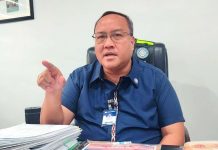
They would remove the skeletal remains of the dead, clean the tombs and sell these to other families looking for vacant tombs for their departed loved ones, according to Engr. Noel Hechanova of the City Environment and Natural Resources Office (CENRO).
The CENRO is overseeing three city government-run public cemeteries – the one in Tanza, City Proper; in Barangay Quintin Salas, Jaro district; and in Barangay Jereos, La Paz district.
“We have not received formal complaints but information about the so-called tomb-raiding reached us,” said Hechanova.
The CENRO is verifying the information, he stressed.
Hechanova said the Tanza cemetery is already crowded and there’s a dearth of spaces for the dead.
He estimated the cemetery population at around 7,000 dead people.
In five years’ time, there will be no spaces left, said Hechanova.
The city government has long planned to decongest public cemeteries by introducing small bone boxes but nothing concrete has been done.
According to Hechanova, around a thousand bone boxes may be built at the Tanza cemetery.
In 2011, Councilor Ely Estante suggested cremation to ease the overcrowding in cemeteries, then the ashes of the dead would be placed in space-saving columbaria.
A columbarium is a storage facility of cinerary urns (urns holding a deceased’s cremated remains). The term comes from the Latin word columba (dove) and originally referred to small compartmentalized housing for doves and pigeons.
Estante may have gotten the idea from Mandaluyong City in Metro Manila that city officials once visited.
Mandaluyong once had overcrowded public cemeteries. Its local government decided to build columbaria. This led to the decongestion of the cemeteries and their eventual transformation into beautiful memorial parks.
In 2013, the Sangguniang Panlungsod approved Estante’s Regulation Ordinance 2013-238 “creating a city crematorium, columbarium and multipurpose halls inside city cemeteries.” However, nothing concrete came out of it.
The problem on the growing lack of space in cemeteries here is real. The parish of Jaro district, for example, thought of a new regulation for its Catholic cemetery in 2013. Those buried for at least seven years already will be exhumed and transferred to smaller bone boxes.
By the parish’s own estimate, over 200 people are buried at the Jaro cemetery every year. But the cemetery has no more space left for expansion, thus the bone boxes./PN
[/av_textblock]
[/av_one_full]