


[av_one_full first min_height=” vertical_alignment=” space=” custom_margin=” margin=’0px’ padding=’0px’ border=” border_color=” radius=’0px’ background_color=” src=” background_position=’top left’ background_repeat=’no-repeat’ animation=”]
[av_heading heading=’‘Yolanda’-hit towns learn to raise animals’ tag=’h3′ style=’blockquote modern-quote’ size=” subheading_active=’subheading_below’ subheading_size=’15’ padding=’10’ color=” custom_font=”][/av_heading]
[av_textblock size=” font_color=” color=”]
SAN JOSE, Antique – Villagers from super typhoon “Yolanda”-struck communities in the municipalities of San Remigio and Sebaste learn poultry and livestock breeding and management.
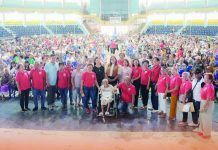
Community-based Specialized Skills Training on Native Chicken Breeding and Stock Management was held for 265 residents in barangays Iguirindon, Carawisan, Poblacion, Nasuli, Cadoldolan, Barangbang, and Trinidad in San Remigio.
Office of the Provincial Veterinarian (Provet) technical personnel Porferio Gallego Jr., Lester Dumaraog and Joel Opiña served as trainers.
The training aimed to enhance the skills and knowledge of local poultry raisers and eventually improve their livelihood and raise their income, according to Provet information officer Anamie Bacho.
Under the Japan Social Development Fund-Community Driven Enterprise Development program “Pathway Out of Poverty,” the trainees will be provided a starter kit that includes 18 hens and three roosters with housing components (net, bamboo, nipa, and tie wire).
The local government of San Remigio will provide the site for a feed mill and hatchery as counterpart.
On the other hand, Provet and the Municipal Agriculturist’s Office of Sebaste also trained farmers’ groups on cattle fattening.
Bacho said the participants were Callan-Burabod Irrigators’ Association, Aguila Sebaste Farmers’ Association and Nauhon Irrigator Agrarian Reform Beneficiaries’ Association.
Mayor Gesava Recopuerto provided the training financial assistance worth P975,000 from World Bank, Department of Agriculture and the provincial government.
Provet’s Dr. Francisca Huele, Florencio Macuja, Luela Furio, and Opiña gave inputs on proper housing, and care and management practices like de-worming, vaccination and sanitation.
The 39 individual participants will each get cattle to be fattened for a maximum of 120 days with two fattening cycles a year. (PIA/PN)
[/av_textblock]
[/av_one_full]