
BACOLOD City — Bacolod City’s confirmed African swine fever (ASF) cases have increased to 14 after four additional positive cases were detected in different parts of the city, prompting the City Veterinary Office (CVO) to intensify disease surveillance and control measures.
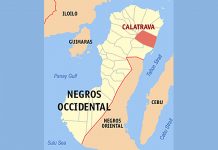
The latest cases were recorded in Barangay Cabug, with two positive cases, and Barangay Estefania, with one case, according to the CVO.
Another ASF-positive result was detected through random blood sampling at the AVM Bernardo Slaughterhouse in Barangay Handumanan as part of the city’s routine surveillance and monitoring activities.
The four new detections brought the city’s total confirmed ASF cases to 14 and expanded the areas where the disease has been detected to eight.
Before the latest findings, Bacolod had recorded 10 confirmed cases in six areas based on cases confirmed on August 13.
Barangay Alijis had the highest number with three cases, followed by Taculing and Bata with two cases each. Granada, the Handumanan slaughterhouse and Alangilan had one case each.
The latest detections in Cabug and Estefania, along with the positive result from slaughterhouse surveillance, highlight the need for continued monitoring of hog-raising areas and potential transmission points, the CVO said.
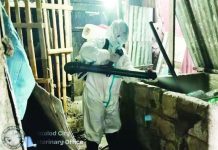
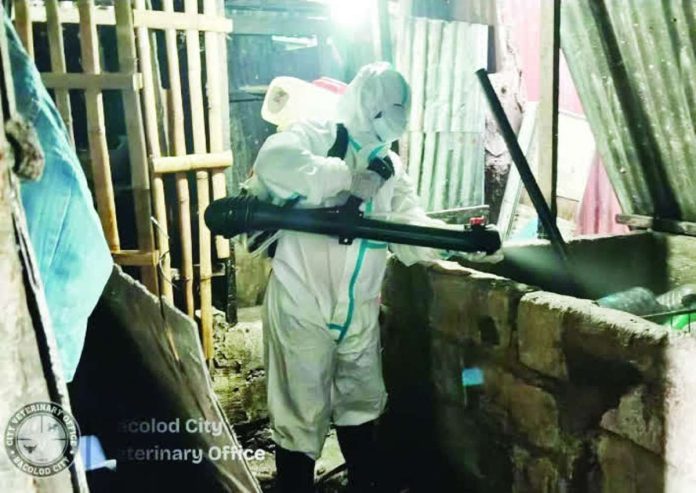
The veterinary office is strengthening surveillance, sampling and disease-control activities to ensure the prompt detection of infected animals and immediate implementation of measures to prevent further spread.
Hog raisers and other stakeholders were urged to strictly observe biosecurity protocols, maintain proper sanitation and cooperate with veterinary personnel during surveillance and sampling activities.
They were also reminded to immediately report unusual signs of illness or sudden deaths among pigs to veterinary authorities.
ASF is a highly contagious viral disease that affects domestic and wild pigs. It does not infect humans but can cause significant economic losses to hog raisers and threaten the local swine industry and food supply.
The CVO stressed that early detection, strict biosecurity and coordinated action remain critical to containing the disease and protecting the livelihoods of Bacolod’s hog-raising communities./PN