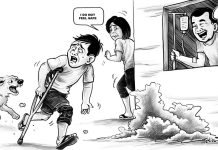




WHEN CORRUPTION in public works is exposed, the immediate targets are often the contractors. They are hauled before inquiries, blamed for substandard projects, and painted as the villains behind wasted taxpayer money. But as Monsignor Meliton Oso of the Jaro Archdiocesan Social Action Center pointed out, this focus is dangerously incomplete.
No multimillion-peso flood control project — or any government infrastructure, for that matter — could move forward without the approval and budget insertions of legislators. Congress holds the power of the purse. Without lawmakers’ sponsorship, such projects would never even reach the bidding stage.
By zeroing in on contractors while sparing legislators, inquiries create the illusion of accountability while shielding the real power brokers. The result is selective justice: punishing those at the periphery while those at the center remain untouched. This unequal scrutiny betrays the people who demand answers not only from builders but also from the politicians who enable — and profit from — these deals.
Contractors, as Oso alleged, may only receive a small slice of project funds. The bigger cuts often flow elsewhere, into the hands of lawmakers who justify them as “insertions” or “allocations.” If that is the case, then their accountability is far greater. To stop at contractors is to stop short of the truth.
Worse, this charade of investigations corrodes public trust in institutions. Each time legislators shield their own ranks, citizens grow more cynical, convinced that inquiries are little more than political theater. This deepening mistrust is dangerous for democracy, for it breeds apathy and weakens people’s faith that corruption can ever be punished at the top.
Accountability must extend to those who hold the pen when budgets are written. Until legislators themselves are investigated with the same vigor as contractors, flood control hearings and similar inquiries will remain hollow exercises — mere scapegoating designed to pacify public outrage without cutting to the heart of corruption.
If taxpayers must pay the price for substandard projects, then the architects of those budgets must pay the price for betraying the people’s trust. Anything less is not justice but a cover-up.