


ILOILO — The relocation of 32 Panay Bukidnon Indigenous Peoples (IP) families to a new housing site in Calinog town is being hailed as a model of inter-agency collaboration — showing that the government’s convergence approach can turn major infrastructure displacement into an opportunity for inclusive development.
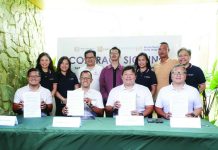
The turnover ceremony on October 28 in Sitio Agburi, Barangay Cahigon, marked not only the transfer of houses but also the formal convergence of key national and local agencies under the Jalaur River Multi-Purpose Project Stage II (JRMP II). The initiative brought together the National Irrigation Administration (NIA), National Housing Authority (NHA), National Commission on Indigenous Peoples (NCIP), and the Iloilo Provincial Government to ensure that displaced families receive adequate housing, water systems, and livelihood support.
“This milestone is a result of teamwork — government agencies working hand in hand to improve the lives of project-affected families,” said Engineer Jonel Borres, NIA Region 6 manager and JRMP II project manager, through spokesperson Steve Cordero.
He congratulated the beneficiaries, urging them to take pride in and care for their new homes. “Today marks a new beginning for these families,” according to Cordero.
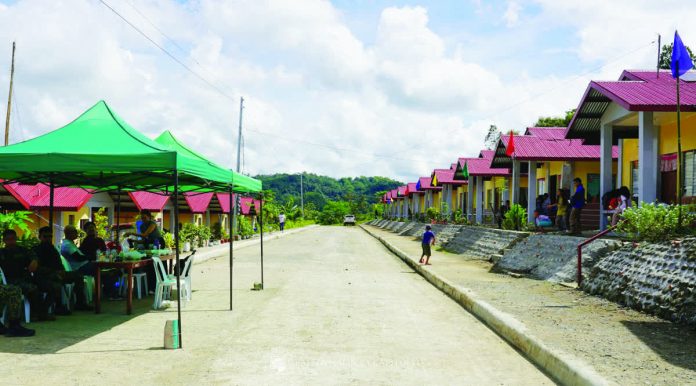
Each family received a 35-square-meter single-detached house on a 150-square-meter lot, complete with access to livelihood programs designed to promote self-sufficiency.
NHA regional manager Rizalino Cabahug said the project aligns with the Housing Assistance Program for Indigenous Peoples (HAPIP), which ensures culturally sensitive designs that respect traditional IP community structures.
“We want this relocation to respect their culture and to give them a foundation for a better future,” Cabahug said.
The Iloilo provincial government, represented by Atty. Cesar Emmanuelle Buyco Jr., also contributed by providing safe and adequate water supply facilities for the new settlement.
The event was attended by officials from the NHA Iloilo-Guimaras District Office, the Provincial Government, the NCIP, and local IP leaders including Barangay Captain Jinky Lumogdang and Council of Elders Chieftain Delia Lucio.
For NIA and its partner agencies, the completion of the housing site under the Land Acquisition and Resettlement Action Plan (LARAP) demonstrates that government convergence can create more sustainable outcomes for affected communities — turning resettlement into empowerment rather than displacement./PN