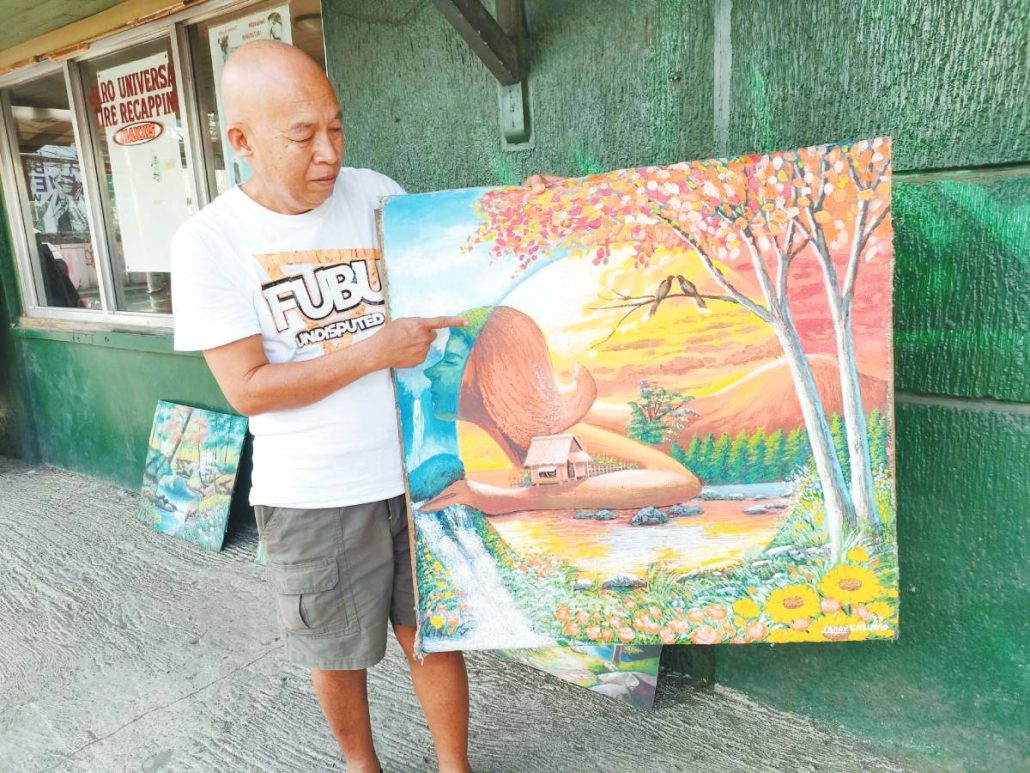
Photos by AJ PALCULLO
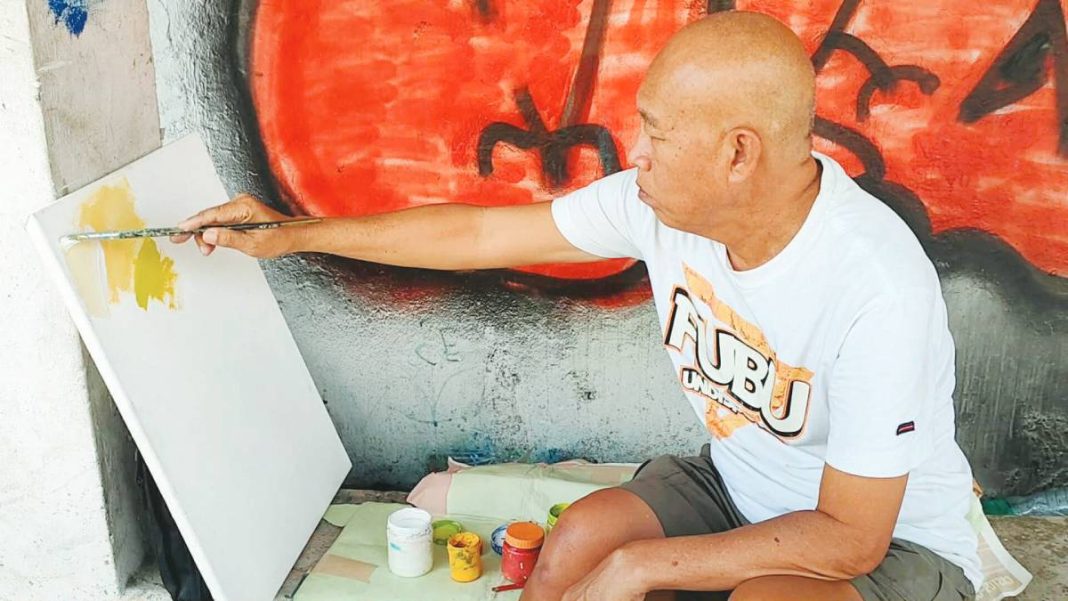
ILOILO City — At a roadside corner in Jaro district, where engines roar and people pass without pause, a man sits quietly in a waiting shed, painting.
To most, he is just another street artist.
But to Larry Casinao, every stroke is survival. Every finished canvas is hope. And every sale is blessing to sustain his wife’s medical treatment.
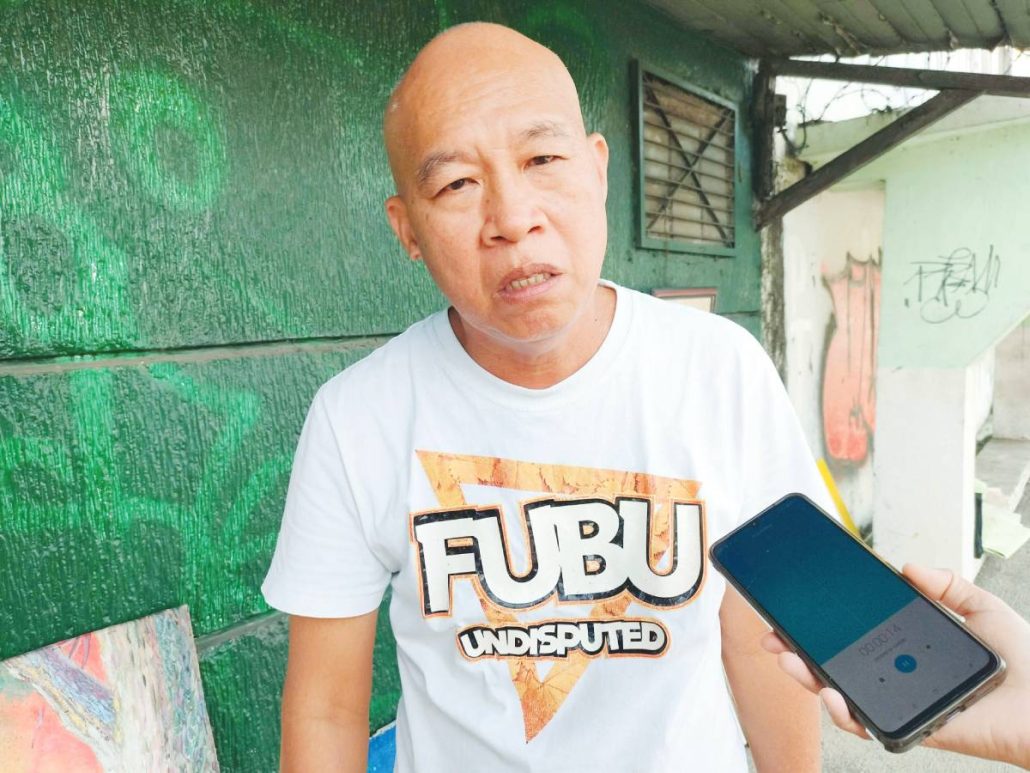
At 57, Casinao has turned what was once a simple pastime into the fragile lifeline of his family — paying for food on the table, sending a child to school, and most painfully, sustaining the dialysis treatments of the woman he loves.
Three times a week. Every week. For 10 years now.
And still, he paints.
A Corner, A Canvas, A Cause
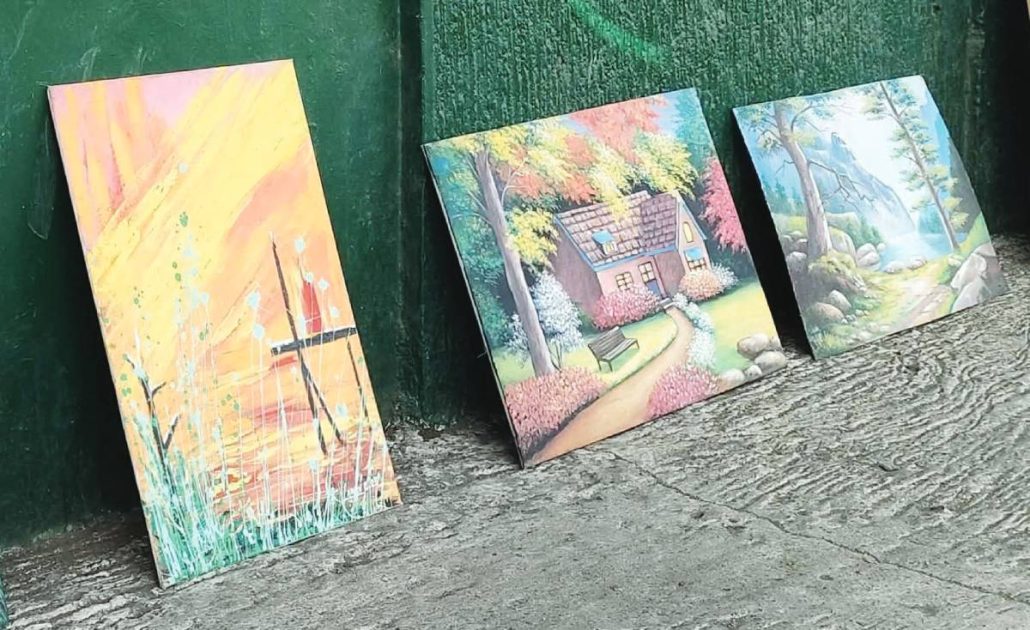
You will find him at the corner of Lopez Jaena and Simon Ledesma streets, in a place locals once called “Banana Cracker.” No gallery. No studio. Just a waiting shed, a few canvases, and the open road.
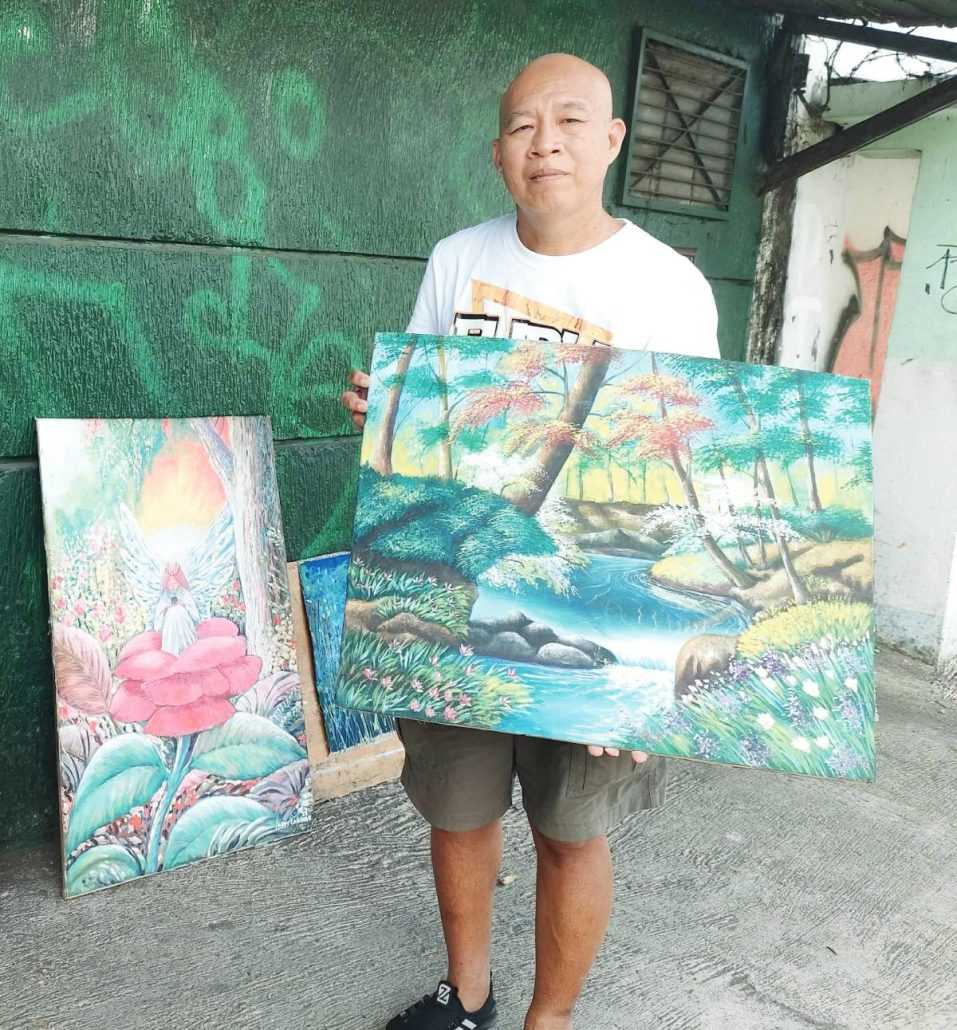
Here, under heat or rain, he lays out his paintings — hoping someone might stop.
“Diri ako naga-puesto kay madamo sang naga-agi nga mga salakyan pero kon gamay paintings ko, senemana man nga indi mabaklan,” he said.
(“I stay here because many vehicles pass by, but if I don’t have many paintings, it can take a week before one gets sold.”)
Time, for Casinao, is not measured in hours.
It is measured in canvases sold — and dialysis sessions paid.
The Making of a Self-Taught Artist
His story did not begin with hardship. It began with curiosity.
As a boy, he drew comic strips. By high school, he had discovered painting — not through formal lessons, but through sheer determination.
“Ako lang ya nag-practice sang kaugalingon ko. Nagakuha lang ako idea sa iban nga paintings or painters,” he recalled.
(I taught myself, just getting ideas from other paintings or painters.”)
No mentor. No school. Just instinct.
From oil paints that took weeks to dry, he shifted to acrylic — faster, more practical, more suited to a life where time is never enough. Because when painting feeds a family, every day matters.
When Love Becomes the Reason to Keep Going
There was a time when painting was just a hobby — something he loved to do after work, something that brought him peace.
Then life changed.
His wife fell ill. Kidney disease. Dialysis became a necessity, not an option.
Suddenly, painting was no longer just art. It became responsibility.
“Daw hobby ko man lang sang una kay mahilig ako mag-paint. Tapos nangin palangabuhian ko ang ining painting asta nga nagka-pamilya ako,” he shared.
(“This was just my hobby because I loved painting, but it became my livelihood when I started a family.”)
He paints more now. Longer. Harder. Every brushstroke carries weight.
“Napa-eskwela ko bata ko. Napa-dialysis ko asawa ko, subong mga 10 years na. Amo ‘ni ang nakabulig sa akon,” he said.
(I was able to send my child to school. And I’ve been able to support my wife’s dialysis. She’s been undergoing dialysis for about 10 years now, and this has helped me sustain that.”)
Every week, he needs at least P6,000. Not for comfort. Not for dreams. But for life itself.
The Silent Battle of an Artist
But even quiet heroes face quiet struggles.
These days, paintings do not sell as easily. The market has changed. Younger artists have emerged.
“Mahina na baklanay kay damo na competition subong. Naga-painting man iban nga estudyante” he admitted.
Sometimes, a painting waits days — weeks — before finding a buyer.
But the dialysis schedule does not wait. And so, he keeps painting.
Reinventing, Enduring
To survive, Casinao adapts.
He accepts commissioned work. Paints portraits. Does charcoal sketches. Teaches anyone willing to learn — right there on the roadside.
He cannot afford to stop. He cannot afford to get sick. His hands must remain steady. His eyes must remain clear. They are his only capital.
Casinao is not alone. Across the country, many artists struggle in silence — rich in talent, but opportunity is elusive. Their works remain unseen, their stories untold.
He dreams, quietly, of a proper space. A gallery. A place where his art — and his story — can be seen for what it truly is.
But for now, the sidewalk is enough. Because for Casinao, painting is not about recognition. It is about survival, love, and choosing every single day to keep going.
And perhaps that is the truest form of art there is./PN