


BACOLOD City — The Bacolod City Government has intensified its preventive measures against African Swine Fever (ASF) after laboratory tests confirmed the presence of the highly contagious disease in Negros Occidental, where hundreds of pigs have already died in one affected municipality.
Mayor Greg G. Gasataya issued Executive Order No. 043, Series of 2026, reconstituting the city’s African Swine Fever (ASF) Task Force to strengthen surveillance, quarantine enforcement, border control, and biosecurity measures aimed at keeping the disease out of Bacolod.
The move came after Negros Occidental Gov. Eugenio Jose Lacson confirmed that laboratory results verified ASF cases in the province, with most infections concentrated in southern Negros.
Provincial authorities have since heightened disease surveillance and containment efforts to curb the spread of the virus.
“Due to the continued threat of ASF, it is imperative that Bacolod strengthens its preventive measures to protect the local swine industry and the livelihoods that depend on it,” the executive order stated.
Under the reconstituted task force, authorities will focus on intensified monitoring, transport regulation, quarantine enforcement, and border inspections to prevent the entry of ASF-infected hogs, pork products, and other related commodities into the city.
The city government’s action is in line with the Department of Agriculture’s National ASF Prevention and Control Program, which directs local government units to strengthen disease surveillance, movement control, quarantine measures, and farm biosecurity.
City Administrator Atty. Mark Steven Mayo said Bacolod will also conduct an extensive information and education campaign in barangays to raise awareness and encourage strict compliance with disease prevention protocols.
Mayor Gasataya will chair the task force, while City Veterinarian Dr. Ma. Agueda Trinidad dela Torre will serve as vice chairperson. Representatives from key city offices, law enforcement agencies, and national government agencies involved in agriculture, food safety, transportation, and border control will also form part of the task force.
Its responsibilities include implementing contingency plans, investigating suspected ASF cases, conducting public information campaigns, enforcing quarantine regulations, and coordinating disease prevention and control efforts.
Meanwhile, concern over the outbreak continues to grow in Negros Occidental.
Gov. Lacson urged hog raisers to strictly observe disease-control protocols, particularly the immediate burial and proper disinfection of pigs that die from suspected ASF infection. He also advised owners of healthy pigs in affected areas to consider selling their livestock early to minimize potential losses.
The municipality of San Enrique has become one of the hardest-hit areas after laboratory tests confirmed ASF infection.
Mayor Jilson Tubillara said between 400 and 500 pigs have already died in the municipality, with nearly all barangays reportedly affected.
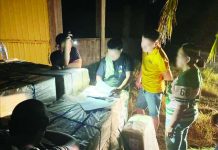
To contain the outbreak, the local government has imposed tighter border controls, intensified inspections of livestock transport, and directed hog raisers to implement strict farm biosecurity measures, including limiting farm access, disinfecting facilities, and immediately reporting unusual pig deaths.
ASF is a viral disease that affects domestic and wild pigs. While it poses no threat to human health, it causes high mortality among infected animals and can inflict significant economic losses on the livestock industry.
Mayo said Bacolod remains free of ASF cases as of this writing, but stressed that the city is relying on early intervention, coordinated enforcement, and public cooperation to protect its swine industry from the disease./PN