

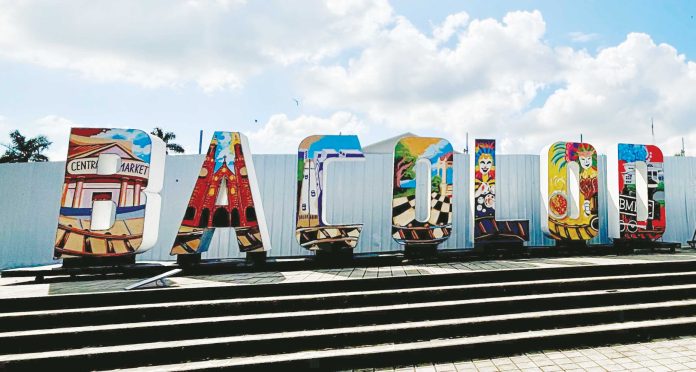
BEHIND the familiar “BACOLOD” signage in front of the Bacolod City Government Center (BCGC) is an artistic attraction that invites residents and visitors to discover the City of Smiles from a different perspective.
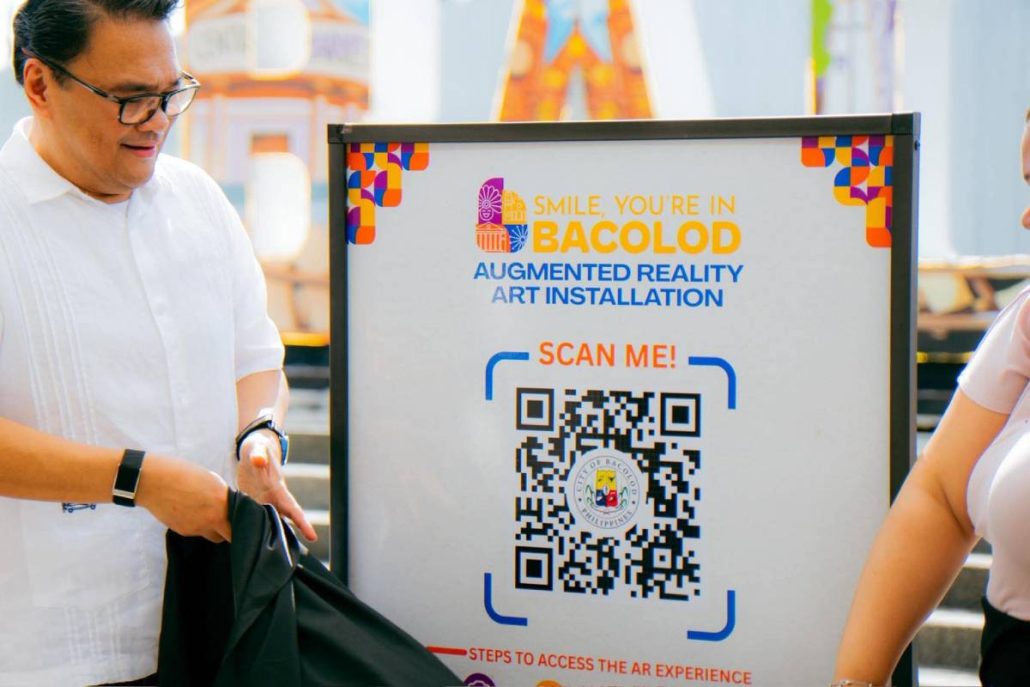
At first glance, the mural is a colorful depiction of the city’s landmarks, traditions, cuisine and cultural identity. But with a mobile phone and a quick scan of a quick response (QR) code, the artwork transforms into an interactive digital experience.
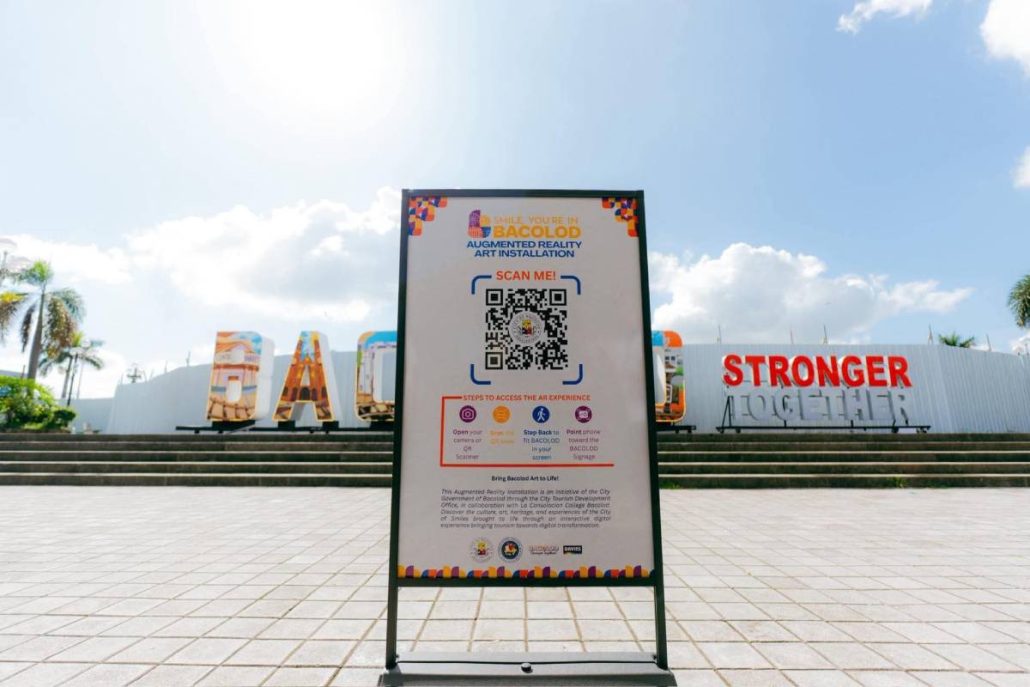
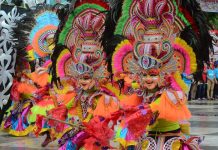
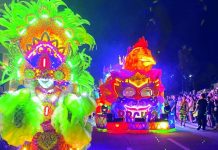
MassKara dancers spring to life on screen. Stories of the city’s cultural heritage unfold through digital visuals, while familiar landmarks become gateways to discovering the history, traditions and people that have shaped Bacolod through generations.
More than a public art installation, the Bacolod Augmented Reality (AR) Mural represents an effort to bring the city’s heritage into the digital age while preserving the traditions that make it distinct.
Officially launched on Sept. 14, 2026, through a partnership between the Bacolod City Government and La Consolacion College Bacolod (LCCB), the project combines hand-painted public art, augmented reality and cultural storytelling to offer a new approach to tourism promotion.
The initiative forms part of the city’s celebration of National Tourism Month, under the theme “Digital Agenda and Artificial Intelligence to Redesign Tourism.”
For Bacolod, the project demonstrates that tourism can go beyond visiting popular destinations, taking photographs or admiring beautiful scenery. It can also be an experience of discovery, allowing people to understand the stories behind the places they visit.
The concept reflects efforts to make tourism more engaging, particularly for younger generations accustomed to using digital technology to explore the world around them.
Yet the mural’s appeal lies not only in its technological features. Its deeper value comes from the stories it tells and the cultural identity it seeks to preserve.
Seven letters, one city’s story
Using the letters of the “BACOLOD” signage as its canvas, the mural presents a visual narrative of the city’s commercial history, religious heritage, urban development, festivities, cuisine and sugar-industry roots.
Each letter represents a landmark, tradition or defining element of Bacolod, weaving together the different influences that have shaped its character.
The letter “B” features the Bacolod Central Market, a familiar destination that represents more than commerce.
The Central Market reflects this enduring relationship between trade and community life. It also recalls Bacolod’s historical connection to the sugar industry, which played a major role in shaping the city’s economy and development.
The letter “A” features San Sebastian Cathedral, a landmark that reflects the city’s religious heritage and the enduring influence of faith on community life.
The letter “C” highlights Lacson Street, one of the city’s most recognizable urban corridors.
The first letter “O” depicts the Bacolod Public Plaza, a historic gathering place where civic life, faith, celebrations and community traditions have converged for generations.
The letter “L” introduces a more playful image: a MassKara figure enjoying piaya, one of Bacolod’s best-known delicacies.
The image captures two defining features of the city — its cheerful festival culture and rich food traditions.
Piaya, a flat pastry commonly associated with muscovado sugar, reflects the influence of Negros Occidental’s sugar industry on its culinary heritage. Its familiar taste connects food, livelihood and local identity in a way residents and visitors can readily appreciate.
The second “O” brings together the MassKara Festival, chicken inasal and kansi, three elements closely associated with the city’s cultural and culinary character.
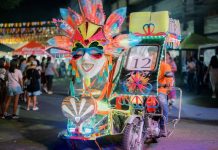
Recognized for its colorful masks, elaborate costumes, street performances and expressions of joy, MassKara has become an important part of Bacolod’s identity, attracting visitors while providing a platform for local creativity.
Chicken inasal and kansi, meanwhile, represent the city’s celebrated food culture.
The final letter, “D,” turns attention to the city’s industrial past through images of steam locomotives associated with the Bacolod-Murcia Milling Company and the White House.
Together, the seven letters offer more than a collection of tourist attractions. They tell a connected story of how commerce, faith, food, festivities and industry have contributed to Bacolod’s identity.
When art meets technology
What distinguishes the Bacolod AR Mural from conventional public artwork is the digital layer that allows visitors to interact with it, Manalili explained.
After scanning the QR code, visitors can view the mural through their mobile phones and experience digital content that brings selected elements of the artwork to life.
Among its features are animated MassKara dancers and information about the festival’s history.
The technology adds movement and context to the painted images, giving visitors another way to engage with the city’s culture.
For those who have grown up attending MassKara, the experience offers a fresh perspective on a familiar tradition. For first-time visitors, it provides an introduction to one of Bacolod’s most recognizable cultural celebrations.
The project also presents an opportunity to introduce local heritage to younger audiences through a format that combines visual art with interactive technology.
Rather than replacing traditional ways of learning about history and culture, augmented reality provides another avenue for communicating these stories.
A painted landmark can catch a visitor’s attention. An interactive feature can encourage that visitor to pause, explore and ask questions about the place represented in the artwork.
For LCCB student Epifany Faith Ababao, who was among the first to experience the installation, the technology created an immediate emotional connection.
“I felt goosebumps while navigating the AR reality. If you are a tourist, even if it’s not MassKara time, it feels like anytime is MassKara because of this project,” she said.
Her reaction reflects the project’s central idea: cultural experiences need not be confined to a particular festival date or event venue.
Although MassKara is traditionally associated with an annual celebration, its symbols and stories can continue introducing visitors to Bacolod throughout the year.
By bringing elements of the festival into a permanent public installation, the mural offers another way to keep the city’s cultural identity visible beyond the celebration itself.
As cities increasingly look for ways to engage digitally connected travelers, initiatives such as the AR Mural offer an alternative to conventional sightseeing. They encourage visitors not only to see a destination but also to interact with its stories.
For Bacolod, this means presenting its heritage in a format that speaks to the present without abandoning the past./PN