
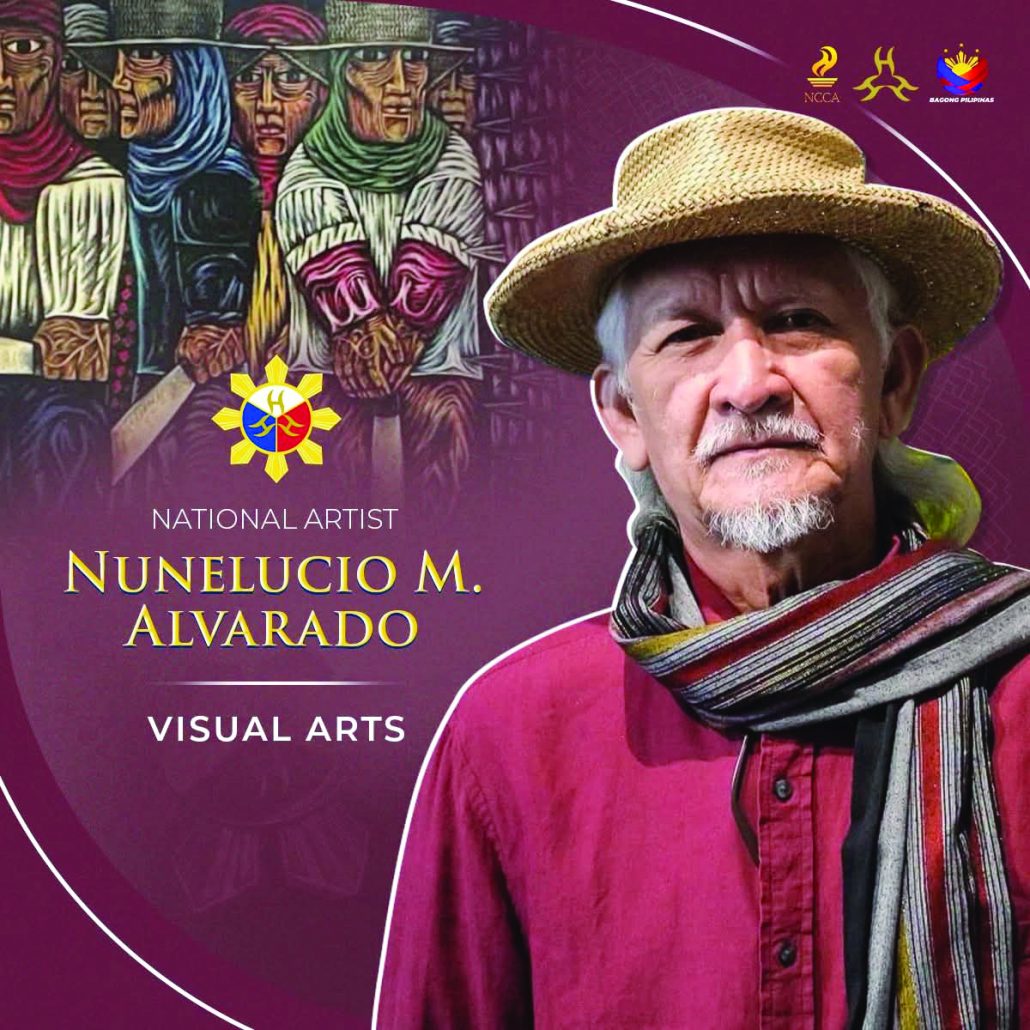
WHENEVER Nunelucio Alvarado picks up his paintbrush and prepares his canvas, he does more than create art. He gives expression to his indignation over poverty, oppression, social injustice and other ills that continue to afflict society.
Through his paintings, the Sagay City, Negros Occidental native has transformed the struggles of ordinary Filipinos into powerful visual narratives that resonate across social classes.
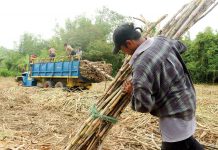
For more than four decades, Maestro Nunelucio — as he is fondly known — has built an artistic legacy rooted in the realities of Negros, particularly the lives of sacadas, or seasonal sugarcane workers, whose labor has long sustained the province’s sugar industry.
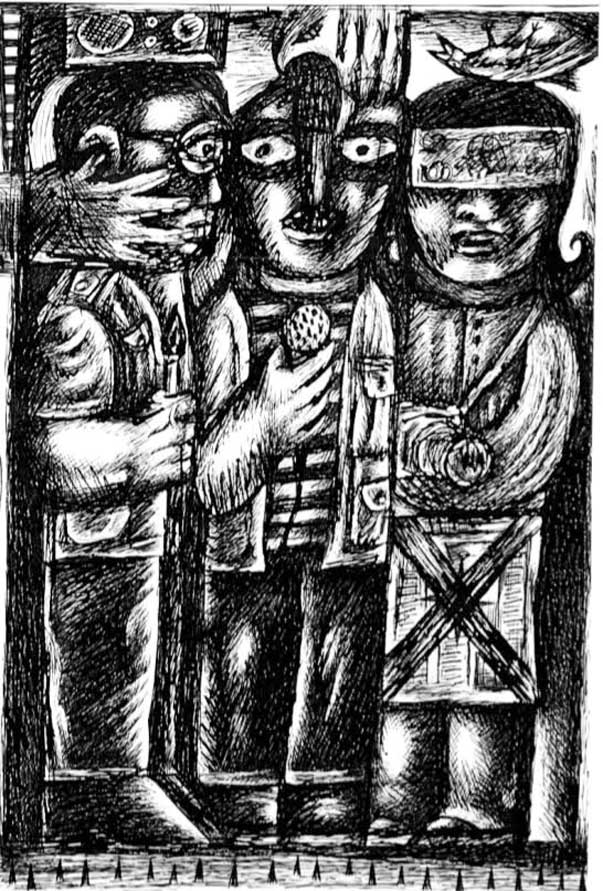
His works are more than visual expressions. They tell stories of hardship, exploitation, resilience and resistance, giving a face to people whose struggles are often overlooked.
A social realist artist through and through, Alvarado uses his canvas to confront uncomfortable truths. His subjects reflect the harsh realities of people deprived of opportunities, dignity and basic rights, challenging viewers to look beyond the surface and examine the conditions that perpetuate inequality.
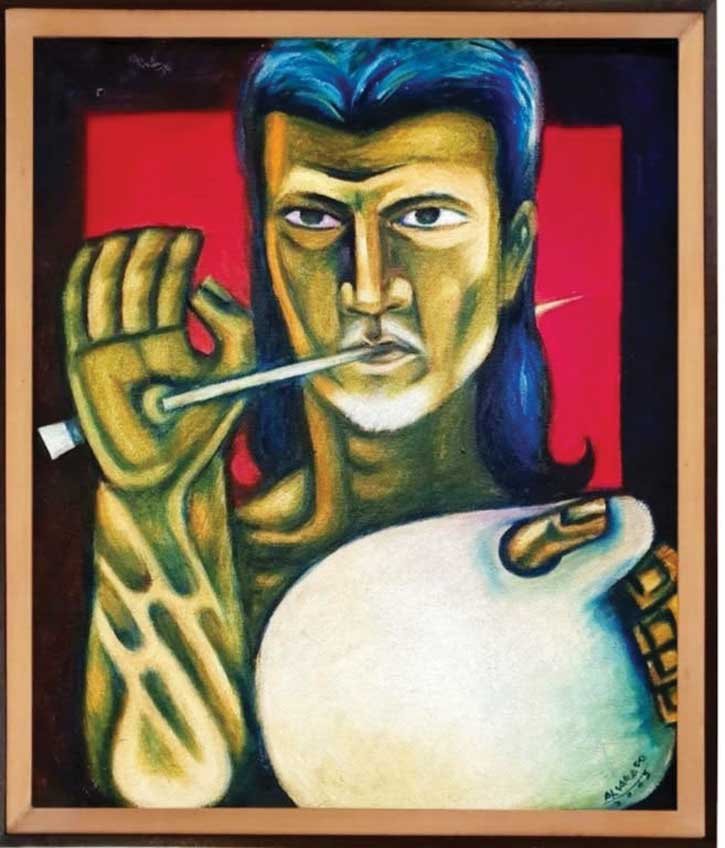
In his hands, a paintbrush becomes an instrument of social commentary, while every canvas offers a quiet but forceful protest against injustice.
A national artist’s distinction
Alvarado’s decades of socially engaged art earned him one of the country’s highest cultural honors.
President Ferdinand Marcos Jr. named him a National Artist for Visual Arts for 2025 under Proclamation No. 1414, signed on September 1, 2026. He was among 10 Filipino artists recognized for their outstanding contributions to Philippine arts and culture.
The distinction affirms Alvarado’s place in the country’s artistic landscape, particularly his role in bringing the experiences of Negros communities into the broader national conversation.
His recognition also adds to a long list of awards and citations accumulated throughout his career, including the Cultural Center of the Philippines’ (CCP) 13 Artist Art Award in 1992; the City of Manila’s Patnubay ng Sining at Kalinangan in painting in 2004; and grand prizes in the Philip Norris ASEAN Arts Award in 1997 and 1999.
He has also received distinctions recognizing his contributions to Negros’ visual arts and cultural life, including the Most Outstanding Negrense Visual Artist award, the Garbo Bisaya Award and the Master Artist of Negros recognition. La Consolacion College Bacolod also honored him with a Centennial Legacy Award for excellence in culture and the arts.
Yet beyond the medals and citations, Alvarado’s enduring contribution lies in his determination to make art speak for people whose stories deserve to be seen and heard.
Facing life’s hardest battle
Today, however, the artist faces a different struggle.
Alvarado, now 76, has been living with dementia, according to his family. His condition has added a difficult chapter to the life of a man whose art has spent decades confronting the hardships faced by others.
His wife, Tita Sally, said he also contracted tuberculosis, prompting his doctor to restrict visitors to their home.
The circumstances have limited opportunities for people to visit the artist and celebrate his latest achievement with him personally.
For his family, caring for Alvarado means navigating the challenges of his health while safeguarding the legacy he built through years of artistic work.
His National Artist recognition, meanwhile, stands as a testament to a lifetime of creative expression and social commitment — a distinction that honors not only his body of work but also the communities and experiences that shaped it.
A legacy beyond the canvas
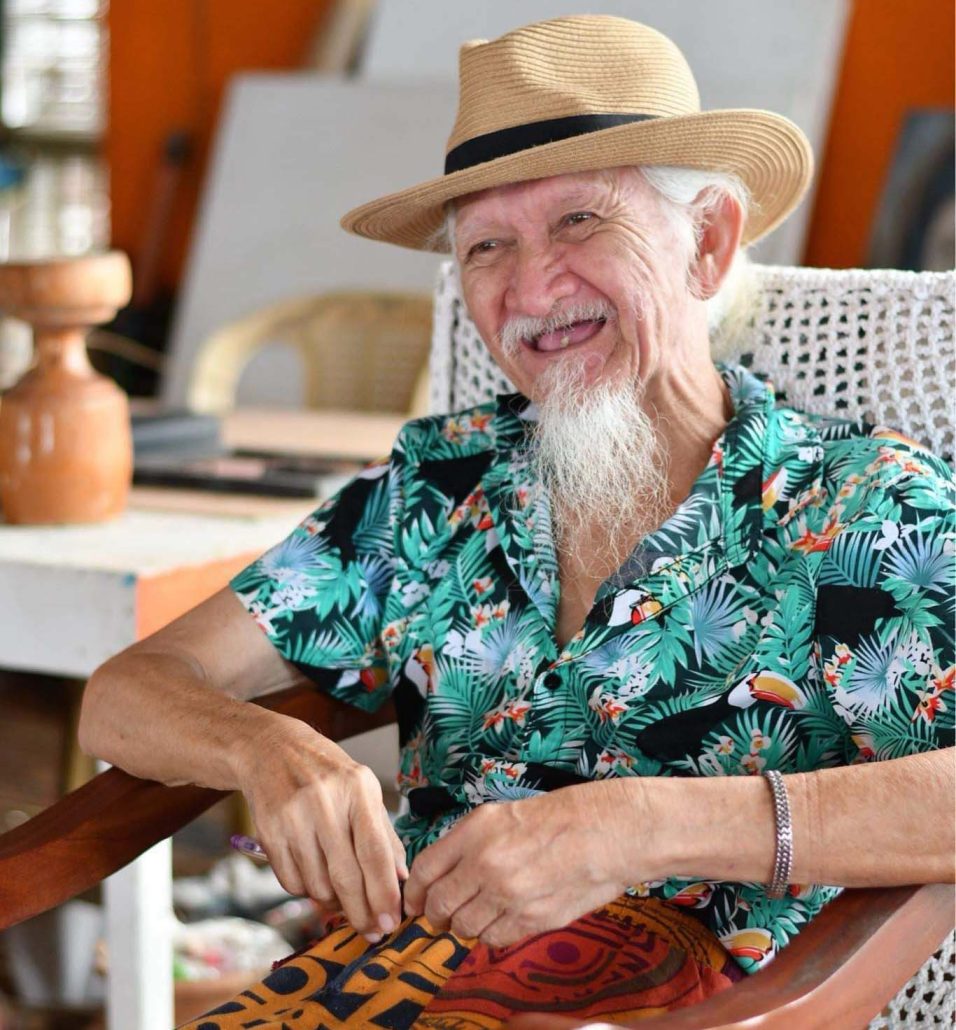
Alvarado’s journey is a reminder that artistic greatness is not measured solely by formal education, commercial success or institutional recognition.
Despite not completing a college degree, he forged a distinguished career through his talent, convictions and commitment to portraying the realities of ordinary people.
His art has consistently challenged viewers to confront poverty, oppression and social injustice rather than turn away from them.
In every brushstroke is a story of struggle. In every figure he paints is a reflection of human dignity tested by hardship. And in every composition is a reminder that art can do more than please the eye — it can provoke thought, stir empathy and inspire action.
The people who populate his canvases are not merely subjects. They are workers, families and communities whose experiences form part of Negros’ social history.
That is the essence of Tatak Nune: art grounded in lived experience, unafraid to expose injustice and committed to making marginalized voices visible.
Beyond arts, he inspires everyone to always stand up for what is right.
For Sagay City and Negros Occidental, Alvarado’s recognition as a National Artist is a source of pride. For the wider art community, his body of work stands as a testament to the power of creativity to challenge convention and give expression to difficult truths.
His story is ultimately one of bravery through artistry — a life devoted to painting not only what society sees, but also what it too often chooses to ignore./PN
Caption:
1
Negrense visual artist Nunelucio “Maestro Nune” Alvarado of Sagay City, Negros Occidental, has been named a National Artist for Visual Arts for 2025 in recognition of his contributions to Philippine art, particularly his socially conscious works depicting the lives and struggles of ordinary Filipinos.
NATIONAL COMMISSION FOR CULTURE AND THE ARTS PHOTO
3-4
Nunelucio “Maestro Nune” Alvarado’s artworks
PHOTOS COURTESY OF SAGAY CITY INFORMATION AND TOURISM OFFICE