

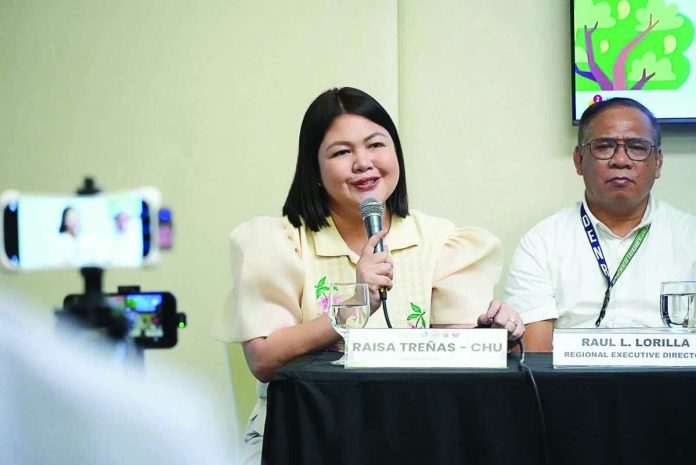
ILOILO City — The city government has begun preparations for a possible water shortage and agricultural disruption as the threat of El Niño looms, with Mayor Raisa Treñas warning that deep well levels in several households are already gradually dropping ahead of the anticipated dry spell.
El Niño is a recurring climate phenomenon characterized by unusual warming of sea surface temperatures, disrupting global wind systems, rainfall patterns, and weather conditions.
The city government is now preparing contingency measures, including emergency water distribution to affected residents, amid forecasts that El Niño may develop within the next few months and persist until early 2027.
“I’ve been highlighting water savings kay we are expecting nga may effect gid sa aton water ang El Niño phenomenon,” Treñas said in an interview with members of the media on Wednesday, May 6.
Treñas said the city has integrated El Niño response measures into its broader preparations for a possible energy crisis, prompting intensified calls for water conservation over the past several weeks.
One of the city’s immediate actions involved checking water levels in household deep wells, with initial feedback indicating a gradual decline in supply.
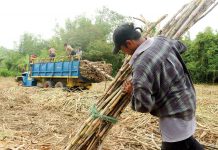
The mayor expressed concern that farmers would likely suffer the biggest impact from prolonged dry conditions, particularly due to limited rainfall that could affect rice and vegetable production.
Residents relying on deep wells and water pumps may also face shortages if water sources dry up.
“Naka-experience na kita sang El Niño — kulang gid ‘ya ang tubig. Dako gid na nga impact. So now we’re monitoring. Ready kita mag-water distribution para sa aton nga mga pumoluyo,” Treñas stressed.
To strengthen preparedness efforts, the mayor said she already communicated with water suppliers and distributors in the city on Tuesday, May 5, and is set to meet with them next week to assess the status of water reserves and determine measures to ensure stable supply during the dry season and the possible onset of El Niño.
The Philippine Atmospheric, Geophysical and Astronomical Services Administration (PAGASA) earlier reported a 79-percent probability that El Niño will develop between June and August 2026 and may persist until early next year.
It warned that El Niño could significantly affect agriculture and fisheries — key food-producing sectors — due to prolonged dry conditions, rising temperatures, reduced water availability, and delayed rainfall.
The agency also cautioned that stronger typhoons during the southwest monsoon or habagat season may trigger flooding and soil erosion, potentially causing further damage to crops and livestock.
On April 22, PAGASA raised its El Niño Southern Oscillation Alert and Warning System status to “El Niño Alert.”
“Based on the PAGASA ENSO Alert and Warning System, when conditions are favorable for the development of El Niño, with a forecast probability of 70% or more within the next 2 to 3 months, an El Niño Alert is issued,” the agency explained.
PAGASA stressed that the alert does not mean El Niño has already begun but serves as an early warning for preparedness.
“Ito ay isang early advisory o paunang gabay upang tayo ay makapaghanda para sa epektong dulot nito. In short, this is our lead time for preparedness,” PAGASA stressed./PN