


THE Department of Energy (DOE) is confident of still hitting the target of 35 percent renewable energy share in the energy mix in the Philippines by 2030. This is despite some challenges like delays in some projects and the shift of policy in the United States.
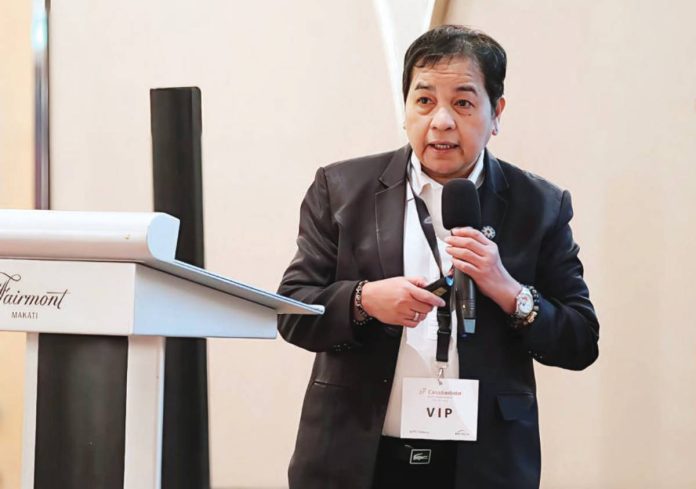
At the ‘State of Philippine Energy’ forum organized by the Economic Journalists Association of the Philippines (EJAP), DOE Undersecretary Mylene Capongcol said the department is focusing on projects that are already in the lineup to ensure that the companies will follow the timeline of completion.
Under the Philippine Energy Plan 2023-2050, renewable energy or RE must have a 35 percent share in the power generation mix by 2030, 50 percent by 2040 and RE dominating the power generation mix by 2050.
“We are now actually at 24 percent [RE energy mix] and ‘yung mga naka-lineup na projects are able to meet the 35 percent. Kaya nga medyo tutok kami,” Capongcol said.
She is also not concerned about the shifting policy in the United States, with President Donald Trump repeatedly criticizing renewable energy. She believes the new policy in the US will not have a big impact on potential green investments in the Philippines.
“Minimal effect. Most of the investors in the renewable energy space are from Filipino companies and then Chinese and other Asian countries,” she said.
Energy Regulatory Commission chairperson Francis Juan added: “Our situation is different from the US. Sila doon marami rin silang resources indigenous… Tayo naman dito limitado rin talaga ‘yung resources natin pagdating doon sa kakailanganin sa panggatong.”
The Energy Development Corporation (EDC), the country’s leading renewable energy firm, agreed that there will be a minimal effect, but EDC Assistant Vice President Allan Barcena said there are effects on US subsidies or grants.
“Reduction of financial and technical assistance. In the past kasi we have been the recipient of technical assistance, grants from the US in terms of developing more renewable energy in the Philippines. But all these things stop na. Medyo nabawasan,” Barcena said.
EDC is still optimistic about the growth of the RE sector in the country. Barcena said they are exploring new sites in Mindanao for potential geothermal energy and they are also looking at Indonesia.
“One is in Sumatra and then in Java. We are working with the local Indonesian company that can help us navigate regulatory challenges,” Barcena added.
Aside from geothermal, the DOE is also looking forward to offshore wind developments. Capongcol said the Philippines has a 178 GW potential offshore wind capacity. This is much higher than the 7.05 GW total installed RE capacity and the 151.53 GW total potential capacity of existing RE projects.
“We will be doing the auction for offshore wind, hopefully, before the end of the year and kasama doon sa parang cost-sharing of risks- DOE is working on availability of ports jointly with potential bidders,” Capongcol said.
Under the energy plan, offshore wind is expected to generate 19 to 50 GW by 2050. DOE has launched the Fifth Green Energy Auction (GEA-5) exclusively focus on fixed-bottom offshore wind technology, offering an installation target of 3,300 MW with a delivery period from 2028 to 2030. (ABS-CBN News)


