

LOGISTICS firms servicing agriculture-related clients will be included in the government’s fuel subsidy program, according to the Department of Energy (DOE).
In an online briefing on Monday, June 15, DOE director Rino Abad said funding for agri-servicing logistics vehicles will come from the Department of Agriculture (DA).
He said the state-owned Land Bank of the Philippines (LandBank) is currently collating data on the plate numbers of vehicles to be enrolled in the program.
“In the next two weeks, there will be a reorientation for the oil firms and that’s when we’ll know the list of logistics vehicle units to be covered,” he said.
The program currently covers drivers of jeepneys and utility vehicles (UV), who receive P1,500 per vehicle per week for three months to help them cope with higher diesel prices due to the conflict in the Middle East.
As of June 10, the government has disbursed about P103.7 million in subsidies, benefiting around 62,342 recipients, Abad said.
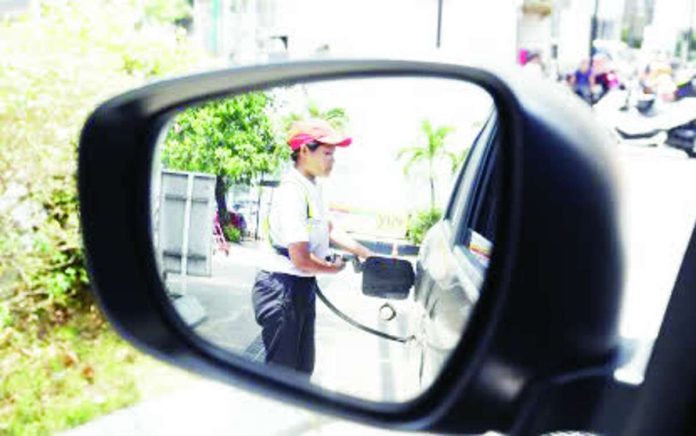
Data from the DOE show that a total of 2,077 liquid fuel retailers nationwide are participating in the program.
Most of these fuel stations are in Southern Luzon with 442 outlets, followed by Northern Luzon with 427, the National Capital Region with 419, Mindanao with 398 and the Visayas with 391.
Energy Secretary Sharon Garin, during the same briefing, said the Marcos administration remains firm in providing adequate subsidies to cushion the impact of higher fuel prices.
“Every day, we continue to expand the network because we want fuel assistance to be easier and more accessible to our drivers,” she said.
“Reaching the 2,000-station mark reflects the government’s commitment, under the direction of President Ferdinand R. Marcos Jr., to ensure that support reaches transport workers who are directly affected by rising fuel prices,” she added. (PNA)