

Philippine food and beverage manufacturers and supermarket retailers are sounding the alarm over the government’s plan to raise excise taxes on sweetened beverages, which they warned could have a “significant” impact not only on companies but also on Filipino consumers and the broader food supply chain.
Under the Department of Finance’s proposal, the government eyes to raise the excise tax on sweetened beverages to P20 from P6 per liter for those using caloric or noncaloric sweeteners, and to P40 from P12 per liter for those containing high-fructose corn syrup.
For Mondelez Philippines Inc., which sells powdered beverage brand Tang, such an increase could affect not only manufacturers and product prices but also businesses throughout the supply chain, including smaller retailers.
“We do not support an increase in SSB (sugar-sweetened beverage) taxes,” said Caitlin Nina Punzalan, corporate and government affairs lead at Mondelez Philippines. “An increase in taxes will significantly impact consumers, retailers, and the whole chain.”
“Our request really to the government is to consider the implications of these taxes, not just on manufacturers, but also the larger food supply chain, like retailers, sari-sari stores, agricultural suppliers of food manufacturing, farmers, etc.,” Punzalan.
Any proposal to increase taxes is particularly crucial from Mondelez, which grappled with a slowdown in Philippine sales volumes in 2025, which Punzalan attributed to “consumer shifts in preferences for other formats.”
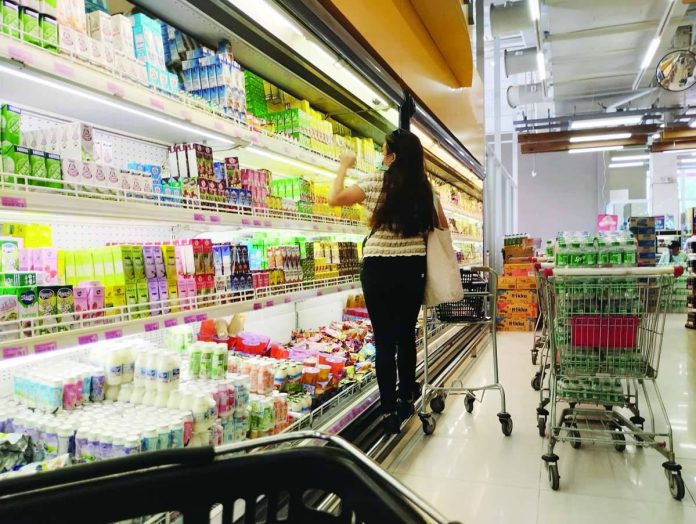
Supermarket operators likewise raised concerns over the potential tax increase.
Philippine Amalgamated Supermarkets Association (Pagasa) president Steven Cua warned that prices would “definitely” go up if the government pushes through with the higher taxes, potentially adding more pressure on household budgets.
Citing energy drinks as an example, Cua said such sweetened beverages have become a relatively inexpensive way for some Filipino laborers to get an energy boost.
“If it’s gong to be taxed heavily, it’s going to affect definitely their (Filipinos’) budget,” Cua said.
Plastic tax
In an earlier interview, another food manufacturing giant, Nestlé Philippines, said it was open to the government’s plan to raise taxes on sugary drinks, but stressed that any policy should be backed by scientific studies.
Apart from the proposed sweetened beverage tax hike, both Cua and Punzalan pushed back against a planned excise tax on single-use plastics, which could reach P150 per kilogram.
Punzalan argued that an additional tax was unnecessary given that companies are already required under the Extended Producer Responsibility Act to recover or offset a share of their plastic packaging footprint. (Logan Kal-El M. Zapanta © Philippine Daily Inquirer)