




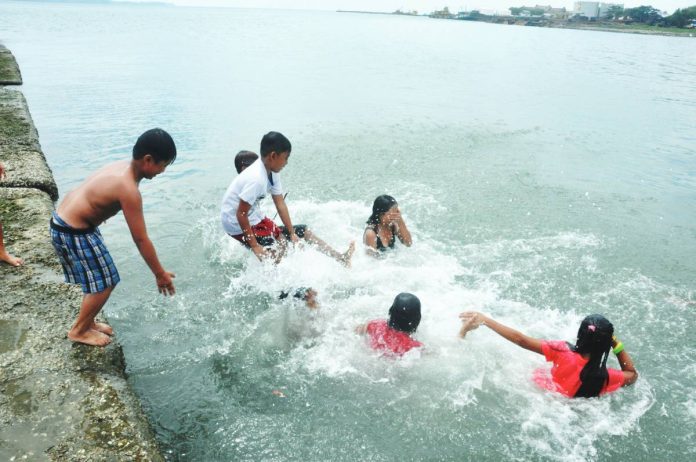
ILOILO City – With drowning cases continuing to threaten lives in water-surrounded Western Visayas, the Department of Health (DOH) is now pushing for a long-term, structural solution: making swimming a basic life skill and equipping communities with lifesaving response training.
The agency is advocating the integration of swimming lessons into school programs while urging wider access to Basic Life Support (BLS) training, stressing that prevention and preparedness — not just warnings — are key to reducing fatalities.
Penny Exocet Hubag, Health Education and Promotion Officer III of DOH Region 6, underscored the urgency of teaching children how to survive in water.
“Given that we are surrounded by various bodies of water, including rivers, lakes, and coastal areas, it is essential for us to make swimming education an integral part of the non-academic curriculum in schools. This initiative not only promotes physical health but also prepares our youth to navigate water environments safely,” she said.
DOH-6 said it is working closely with the Department of Education (DepEd) to advance the proposal.
Citing global data, the agency noted that inability to swim remains a major risk factor in drowning incidents.
“Many individuals, including myself, grew up without learning how to swim. Therefore, it is imperative that we start teaching our children the fundamentals of swimming. They need to know basic survival techniques when they find themselves in water,” Hubag added.
Recognizing that formal lessons may be costly, DOH-6 is pushing for barangay-level interventions to democratize access to swimming skills.
“We understand that not all parents may have the means to afford swimming lessons for their children. Thus, it is crucial for us to collaborate within our communities, particularly at the barangay level, to provide access to basic swimming instruction. Even teaching foundational..basic skills can make a significant difference in a child’s ability to stay safe in and around water,” she explained.
The health department also reiterated that supervision remains critical, especially for young children.
“With young children, vigilant oversight is non-negotiable, especially during outings to swimming locations, whether it be at beaches or public pools. Accidents can happen in the blink of an eye, so we must ensure that parents remain attentive and proactive,” Hubag stressed.
Health officials also warned against risky behavior during extreme weather events.
“We have witnessed concerning reports of children swimming in flooded areas during storms, which poses deadly risks. Strong currents can easily sweep them away, leading to drowning. Additionally, exposure to contaminated water can result in serious health issues, such as leptospirosis, which can be life-threatening,” said Dr. Roland Jay Fortuna, assistant city health officer of the Iloilo City Health Office.
Beyond prevention, DOH-6 emphasized the importance of equipping communities with emergency response skills.
“Equipping individuals with knowledge of Basic Life Support can be crucial in emergency situations, including drowning incidents. This training empowers bystanders to take effective action while waiting for professional help,” Hubag said.
The agency stressed that its campaign goes beyond seasonal advisories, positioning water safety education and preparedness as a year-round public health priority aimed at saving lives and building safer communities./PN