


ILOILO City — Cases of physical and sexual violence against women in Western Visayas increased in 2025 despite a slight decline in overall domestic abuse incidents, exposing what authorities described as a disturbing trend of worsening violence inside Filipino homes.
Results of the 2025 National Demographic and Health Survey (NDHS) revealed that 18.3 percent of women aged 15 to 49 in Western Visayas who have ever had a husband or intimate partner experienced emotional, physical, or sexual violence from their current or most recent partner.
Although lower than the 20.4 percent logged in 2022, the survey showed that physical violence rose from 6.7 percent to 8.1 percent, while sexual violence climbed from 2.5 percent to 3.1 percent.
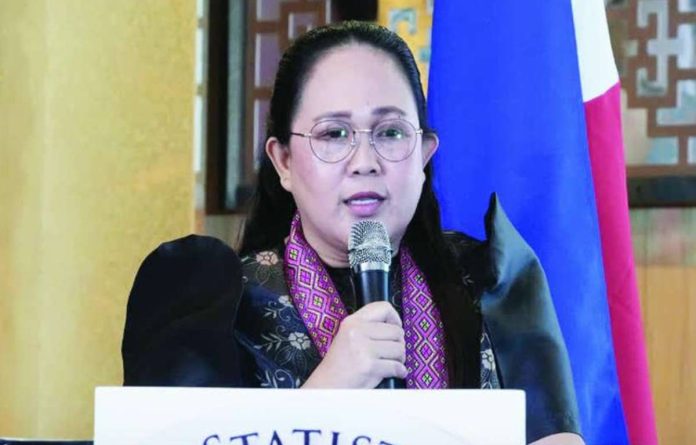
“The 18 out of 100 women in Western Visayas who have ever had a husband or intimate partner reported having experienced emotional, physical, or sexual violence by their current or most recent husband or intimate partner,” said statistical analyst Nerissa Campaniel of the Philippine Statistics Authority (PSA) Region 6.
PSA-6 described emotional violence as the most common form of abuse at 15.9 percent, involving humiliation, insults, threats, and attempts to control a woman’s finances or career.
But authorities said the sharp rise in physical and sexual abuse was the more alarming development.
Physical violence included slapping, punching, kicking, choking, and attacks involving weapons, while sexual violence covered forced intercourse and coerced sexual acts.
Campaniel warned that the increase in these forms of violence demands urgent intervention despite the decline in overall intimate partner violence figures.
Western Visayas ranked seventh nationwide in domestic violence prevalence. Caraga recorded the highest incidence at 24 percent, while the Bangsamoro Autonomous Region in Muslim Mindanao posted the lowest at 3.2 percent.
Police Captain Merry Chris Dela Cruz, chief of the Regional Women and Children Protection Desk of the Police Regional Office 6, said the statistics reflect a dangerous reality affecting many women silently enduring abuse at home.
“These are not just numbers — the data reveals a critical reality,” Dela Cruz said.
She emphasized that many victims still do not report abuse cases due to fear, shame, or dependence on their partners.
“Violence inside the home is never private. It is a crime, a violation of human rights, and a threat to public safety and order,” she asserted.
To address the growing concern, the Philippine National Police has intensified barangay-level awareness drives and community-based interventions targeting vulnerable sectors, including beneficiaries of the Pantawid Pamilyang Pilipino Program (4Ps).
Authorities are also strengthening partnerships with religious groups and civic organizations to expand anti-violence advocacy campaigns.
Dela Cruz proposed mandatory orientations on women’s protection laws before marriage to help cultivate respect and awareness among couples.
The NDHS also found varying domestic violence rates among religious groups, with Aglipay members recording the highest incidence at 23.1 percent, followed by Protestants at 17.1 percent and Roman Catholics at 15.6 percent.
Senior Statistical Specialist John Paul Gito said the findings show the important role faith-based institutions can play in promoting discussions and initiatives against violence toward women.
The PSA said the latest survey findings highlight the continuing need for stronger protection systems, education campaigns, and sustained government intervention to address domestic violence nationwide./PN