



ILOILO City – Millions of pesos in unpaid wages and widespread labor violations have been uncovered in Iloilo City’s transport sector following a high-impact government crackdown, with authorities flagging exploitation of drivers and conductors in multiple cooperatives.
The March 24-25 inspections of the Department of Labor and Employment (DOLE) in Western Visayas — the first of their kind in the region — uncovered non-payment of 13th month pay, underpayment, delayed wages, and lack of proper social security coverage, with violations running into millions of pesos and raising serious concerns over both worker welfare and passenger safety.
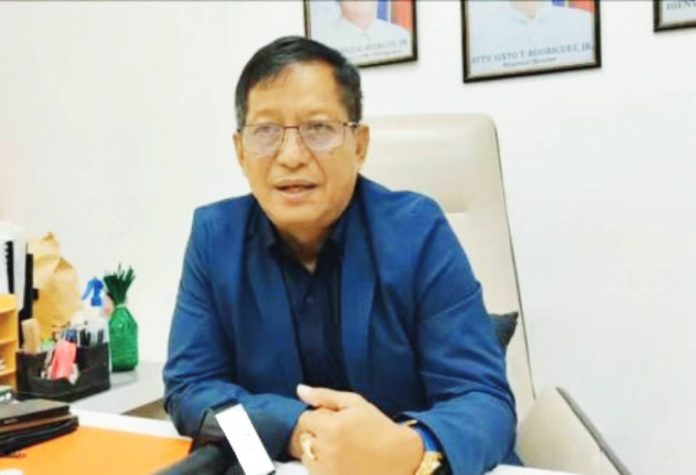
“For the first time in history in Region 6, we are empowered as the agency mandated to protect the safety and welfare of workers to conduct thorough inspections and have full access to transport establishments along with other partner agencies,” said DOLE regional director Atty. Sixto Rodriguez Jr.
The initiative, led by DOLE-6 and backed by multiple government agencies, marks a major shift in labor enforcement, invoking the department’s visitorial and enforcement powers under Article 128 of the Philippine Labor Code.
“Our inspections encompass a thorough evaluation to ascertain whether workplaces are violating labor standards,” Rodriguez added.
Rodriguez said the inspections initially focused on labor compliance but would expand to include verification of workers’ registration with the Social Security System (SSS), PhilHealth, and Pag-IBIG Fund — benefits critical to workers’ financial protection.
The operation brought together the Department of Health (DOH), SSS, PhilHealth, Pag-IBIG, Land Transportation Office (LTO), and the Land Transportation Franchising and Regulatory Board (LTFRB) to ensure a comprehensive review of both labor and transport regulations.
“These individuals are employees while serving as drivers and conductors. Additionally, we must include agencies such as the LTFRB, LTO, and DOH. This includes to check the registration of their vehicles, which is also relevant to their insurance,” Rodriguez said.
DOLE-6 officials said the inspections went beyond paper compliance, with teams scrutinizing payroll records and employment documents.
“Our inspectors, alongside representatives from various partner agencies, meticulously examined essential documents such as payroll registers, which play a critical role in ensuring adherence to labor standards,” said Atty. Jorge S. Ferraris, officer-in-charge of DOLE-6’s Technical Support and Services Division.
“For now, we are just starting as a pilot interagency initiative here in Iloilo City,” Ferraris added.
“All of the cooperatives in the city that are under inspection are those with an employer-employee relationship, including both corporations and cooperatives,” he emphasized.
Beyond labor violations, authorities warned that poor working conditions — particularly overworked drivers — could endanger commuters.
“Our inspections are also focused on occupational safety. When drivers are overworked, it not only jeopardizes their health but also poses significant risks to passenger safety. It is imperative that we ensure that transport workers are not overloaded, which could lead to dangerous situations on the roads,” Ferraris said.
DOLE-6 said erring employers will be summoned to mandatory hearings as part of due process.
“In the event that any violations of labor laws and standards are identified, we take a systematic and fair approach to address the issue. Initially, if there are findings indicating non-compliance with the provisions of the law, we mandate a hearing and a required conference for the employers involved. This step is crucial as it ensures due process is upheld, allowing employers the opportunity to present their case and respond to the allegations against them,” Rodriguez said.
“Our goal is to ensure due process for employers, allowing them the opportunity to rectify their practices in accordance with labor laws,” he added.
Compliance orders may be issued if violations remain unresolved, with possible escalation to further legal action.
However, DOLE-6 declined to name the transport cooperatives involved, citing ongoing proceedings.
“We are currently unable to disclose the findings and the names of transport cooperatives because we still need to follow due process with the employers to address these issues and determine if they can rectify them. As far as the establishments involved in the initial inspections are concerned, since the findings have not yet been finalized, we cannot disclose any violations or issues related to the transport cooperatives during the inspection,” Rodriguez stressed.
The pilot program aims to streamline enforcement by allowing multiple agencies to jointly inspect transport establishments — a departure from previous systems where only DOLE inspectors had access.
Officials said the initiative is expected to set the standard for future labor enforcement across the region, with the ultimate goal of ensuring fair wages, proper benefits, and safer working conditions for transport workers — and safer rides for the commuting public./PN