

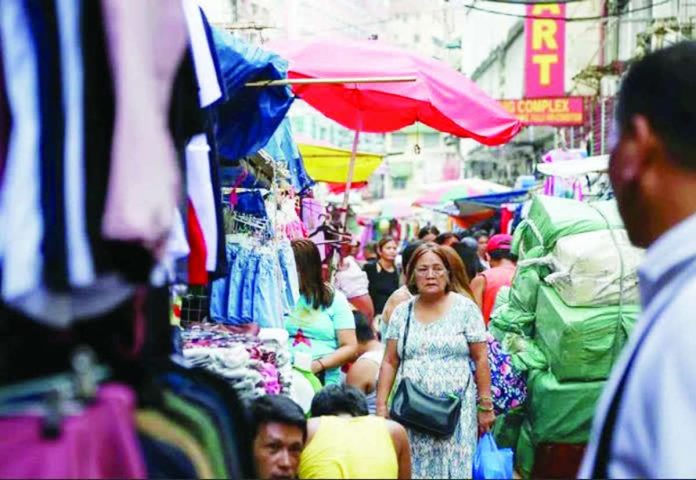
BMI, a unit of Fitch Solutions, said it sees Philippine household spending dipping slightly to 4.4 percent in 2026.
Earlier this year, the think-tank said it sees real household spending to grow 4.5 percent.
In its latest paper, BMI noted that inflation soared to 7.2 percent in April.
“With oil prices staying elevated for longer… this will further raise the Philippines’ import bill and higher domestic pump prices,” BMI said. “This then erodes household purchasing power, weighing on domestic consumption.”
BMI said it sees inflation averaging 4.3 percent in 2026.
“The prolonged effects of elevated fuel costs from the oil shock, if unattended to, will also lead to job losses in agriculture and retail,” it said.
While noting that cash remittances to the Philippines grew to $2.9 billion in February, BMI said there are risks to this income this year, “most of which are related to potential financial stress in several global markets, especially the US, which accounts for around 40 percent of total remittances.”
It said, however, that the weakening of the peso would increase the amount sent back by overseas workers in local currency terms.
Household consumption only grew 3 percent in the first quarter of 2026, from 5.3 percent in the first quarter of 2025. (ABS-CBN News)