
ILOILO City – Every May, as summer sunlight bathes communities in warmth, churches and chapels across the country come alive with flowers, hymns, and the innocent laughter of children. In neighborhoods where faith remains deeply woven into daily life, the annual observance of Flores De Mayo continues to bloom — not merely as a religious celebration, but as a living tradition shaping values, nurturing spirituality, and strengthening community bonds.
At the heart of this month-long devotion is Mama Mary, the Mother of Jesus Christ, honored through floral offerings, prayers, songs, and catechism sessions that draw together generations of faithful believers. But beyond the colorful petals and processions lies something more enduring: the quiet formation of faith among children who are taught, from an early age, the meaning of prayer, sacrifice, compassion, and service.
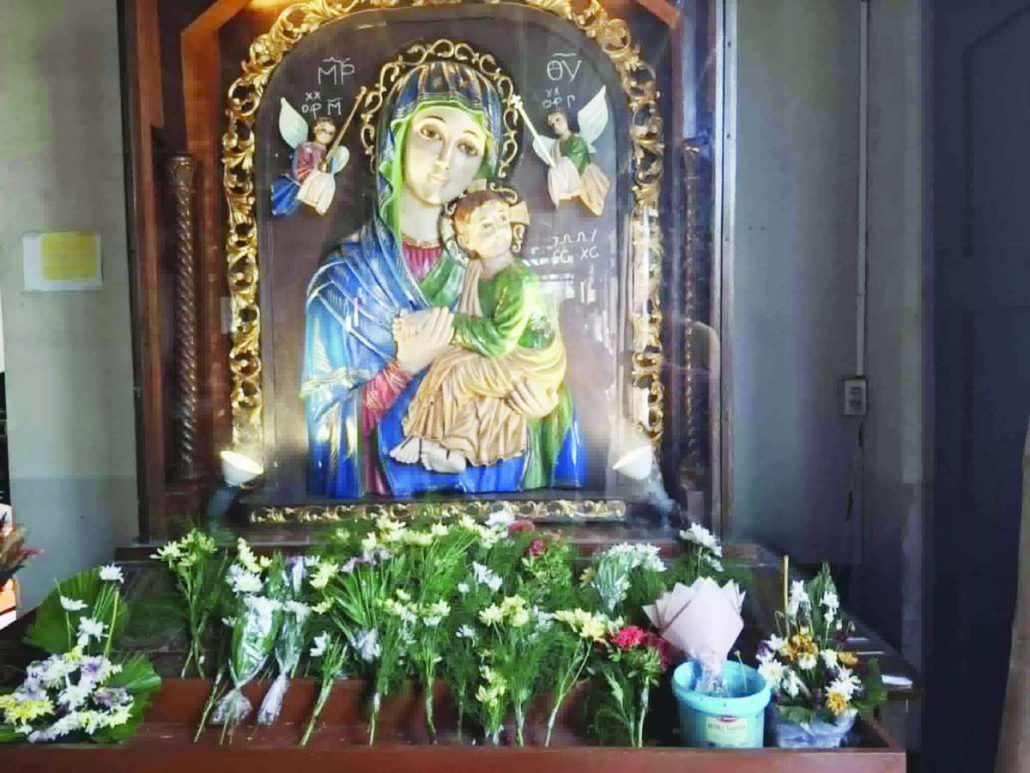
Inside St. Clement’s Church along Luna Street in La Paz district, 62-year-old catechist Carlos Garcia — fondly called “Sir Carlos” — has witnessed firsthand how Flores De Mayo continues to shape the spiritual lives of young people despite the distractions of modern life. Originally from Negros Occidental but now rooted in Iloilo City, Garcia has dedicated years of service to nurturing children’s understanding of faith through catechism and Marian devotion.
For him, the celebration is far more than a seasonal church activity.
“We invite the youth from each barangay to engage in lessons focused on the virtues and sacrifices of Mama Mary. This initiative aims to share with them her unwavering obedience and nurturing spirit as a mother. It is vital that we nurture their understanding of her significance within our faith while also fostering a sense of community and service,” he stressed.
Nine barangays under the parish participate in the observance, including Magsaysay, San Nicolas, Nabitasan, Rizal, Bantud, Montinola, Luna, San Jose, and Laguda. Some communities may be small or geographically isolated, but catechists make sure children are reached and included.
“In Barangay Magsaysay, San Nicolas, Nabitasan, Rizal, and Barangay Bantud, we have a community that is somewhat inaccessible due to being gated. Within our Basic Ecclesial Communities (BEC), we also include Montinola, Luna, San Jose, and Laguda. Overall, there are nine community barangays, but some of the barangays are quite small, resulting in a lower population. Consequently, if the population is limited, the number of children is also reduced. We make it a point to visit each barangay and provide catechists to support them,” Sir Carlos shared.
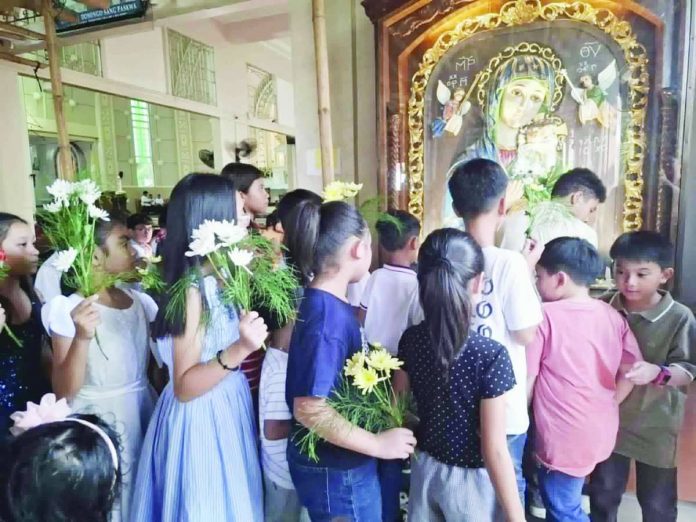
Each afternoon during Flores De Mayo, children arrive dressed neatly, clutching freshly picked flowers from gardens and yards nearby. They gather before the altar, offering blooms to Mama Mary while singing hymns that echo through the church. The celebration transforms ordinary spaces into vibrant expressions of devotion where faith is not only taught — but joyfully experienced.
Yet like many long-standing traditions, Flores De Mayo has faced challenges in recent years.
The pandemic disrupted communal worship and kept many children away from church activities for extended periods. Catechists feared the interruption would weaken the connection of the younger generation to faith and community.

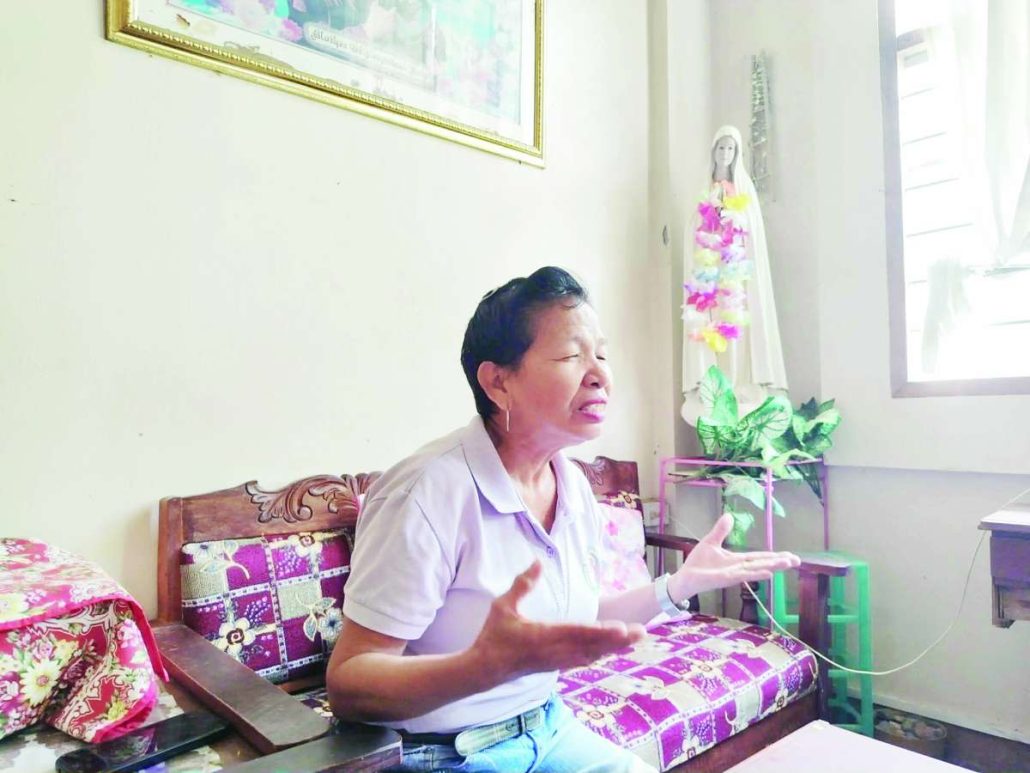
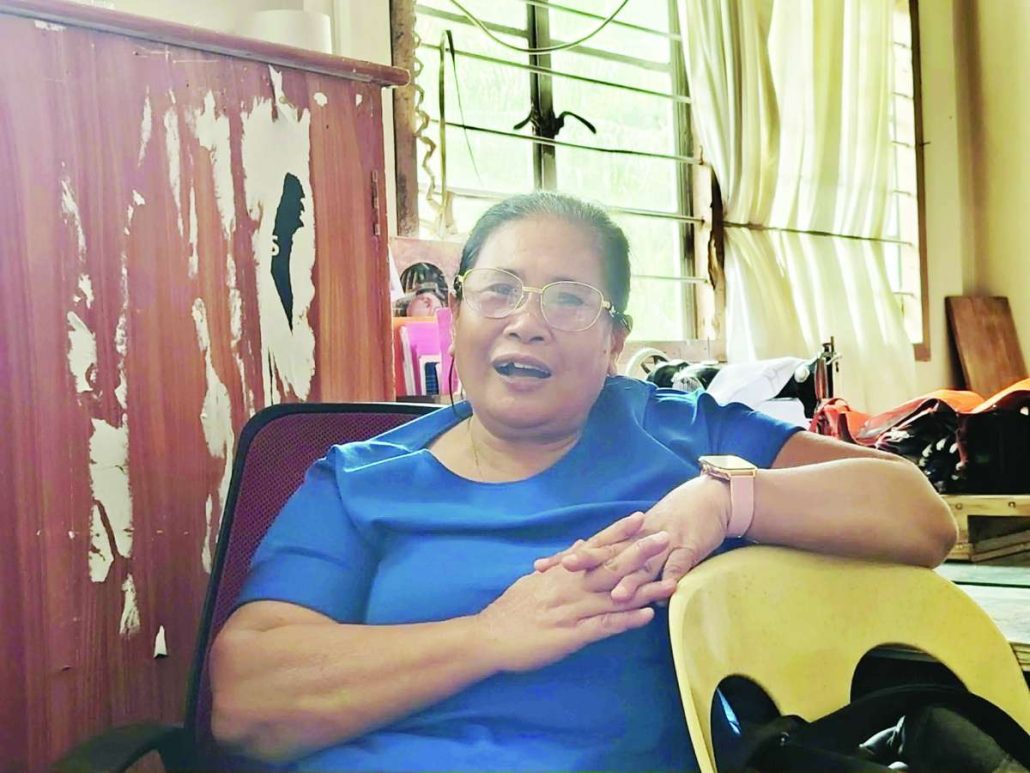
“During the height of the pandemic, many children were unable to engage with the community celebrations due to health restrictions and concerns for social distancing. As we now begin to emerge from those constraints, it’s been encouraging to observe a slow resurgence of interest among the youth — a return to the joyous activities we once knew,” Sir Carlos shared.
Another growing concern, Garcia admits, is the powerful influence of gadgets and social media on today’s youth.
“In previous years, many children cherished the experience of accompanying their parents to church,” he explains, “but the allure of staying indoors has drawn them away from such communal interactions. We recognize the responsibility to counter this trend by making our activities both engaging and educational, to rekindle their connection to our faith and community.”
Despite these obstacles, the tradition survives — sustained by catechists whose devotion extends far beyond the classroom.
Garcia himself became a catechist in 2018, inspired by his deep devotion to the Mother of Perpetual Help.
“Throughout my journey, I have prayed and made numerous requests,” he shared.
“Each one has been granted, which solidifies my desire to give back to the community and honor Him through service,” he added.
For many catechists, Flores De Mayo is not simply about preserving tradition. It is about preparing children for future roles within the Church and society.
“Our overarching mission is to cultivate an understanding among the young of their faith and encourage them to embrace future roles within the church. We aim to inspire a new generation, whether as future priests or dedicated community leaders,” Garcia said.
The spiritual impact of Flores De Mayo is perhaps best seen in the lives of those who grew up within the tradition themselves.
For 65-year-old catechist Fely Sanches of Jaro, Iloilo City, Flores De Mayo became the foundation of a lifelong faith journey. After 44 years of service, she believes the celebration teaches children that faith must be reflected through action.
“My faith flourished at Flores De Mayo. I learned that prayer must translate into action,” she said.
“When children believe in Mary, they express that love through their actions. It teaches forgiveness and friendship, illustrating their formation in faith,” she adds, highlighting how children’s values should align with their behaviors, mirroring the reverence they hold for their own mothers,” she added.
“Gina tudluan mo ang bata mo nga mag tuo, mag-believe sa Diyos, kag dapat learnings igabutang gid sa buhat. Kon makita mo ang bata nga ga-believe siya, gatuo siya kay Mary, ma-express ya iya pag palangga through actions. Friendly siya, if may sala gani for example ang iya classmate, kabalo siya mag-forgive. Amo na ang focus sang Flores De Mayo,” Sanches said.
“Ang bata pa-intindihon nga dapat ang Diyos ara sa tagipusuon. Kay si Mama Mary iloy, so dapat tahuron man ka mga bata ang ila iloy,” she added.
Sanches believes children should be exposed to church life as early as possible — even before they fully understand the lessons being taught.
“While 3-4-year-olds may not fully understand, they often accompany their older siblings to church, absorbing the environment,” she explained.
For Elizabeth Bautista, another catechist at St. Clement’s Church, service became both a calling and a source of fulfillment. Having moved from Negros Occidental to Iloilo City in 1986, Bautista initially volunteered to assist church activities before eventually dedicating herself fully to catechism.
“Now, teaching children is not just a duty; it’s a joy that fuels my service to the Lord,” she stressed.
“It’s so rewarding to see these children grow in their faith,” she shared.
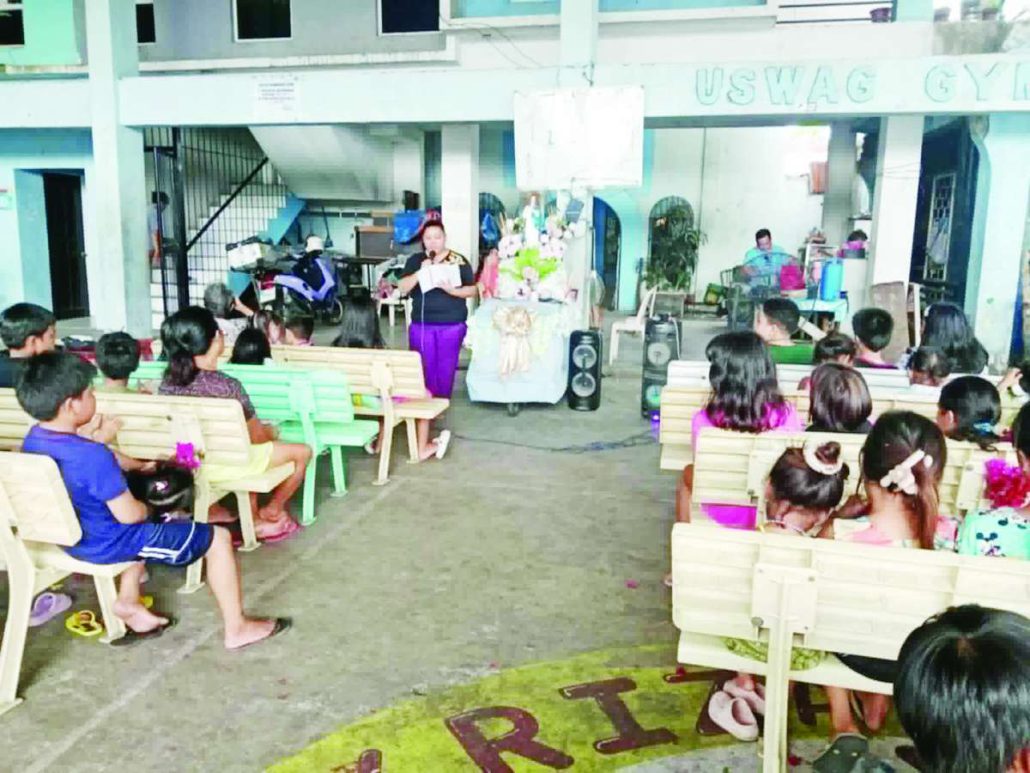
Today, Flores De Mayo remains a vibrant testimony to how faith traditions continue to endure even in a rapidly changing world. Beyond flowers and ceremonies, it serves as a bridge between generations — a sacred space where children learn kindness, discipline, reverence, and community spirit.
As blossoms continue to adorn church altars each May, so too do seeds of faith quietly take root in the hearts of the young. And in communities like St. Clement’s Church, the spirit of Flores De Mayo lives on — not only as a remembrance of devotion to Mama Mary, but as a continuing promise that faith, when nurtured early, will continue to bloom for generations to come./PN