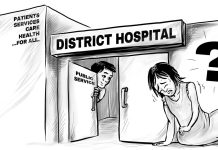




ILOILO Province has made admirable strides in addressing the HIV epidemic, but the road to achieving the global 95-95-95 target remains long and fraught with challenges.
This ambitious goal — ensuring 95% of people living with HIV know their status, 95% of diagnosed individuals are on treatment, and 95% of those treated achieve viral suppression — has been a rallying cry for governments and health organizations worldwide. Iloilo’s current diagnosis rate of just 46% means there is a need to accelerate efforts to close this gap.
The provincial government’s initiatives, such as free HIV testing in all Rural Health Units (RHUs), the establishment of HIV Primary Care Clinics, and the deployment of Pre-Exposure Prophylaxis (PrEP) stations, are good. Yet, despite these interventions, nearly 2,000 individuals in Iloilo are estimated to be living with HIV without knowing their status. This silent majority remains a barrier to meeting the first “95”. Cleary, more innovative strategies are needed to reach the unreached.
One of the primary obstacles is stigma. Fear of judgment continues to deter individuals from seeking testing and treatment. Community education campaigns must go beyond raising awareness to actively dismantling misconceptions and prejudice surrounding HIV. This requires engaging community leaders, influencers, and even religious organizations to foster a more accepting environment where seeking help is normalized rather than stigmatized.
Accessibility is another challenge. While testing and treatment services are available, they are not always easily accessible to rural populations. Expanding mobile testing units and community-based screening programs can help bridge this gap. Barangay health workers, already embedded in local communities, should be trained and equipped to conduct HIV tests and link individuals to care. Additionally, integrating HIV testing into routine health services, such as maternal and child care, can help identify cases earlier and more efficiently.
Once diagnosed, ensuring continuity of care becomes important. Iloilo must strengthen its treatment infrastructure to meet the needs of those who test positive. Stockouts of antiretroviral drugs (ARVs), a recurring issue in many parts of the country, must be avoided. A robust supply chain system and strategic partnerships can ensure that life-saving medications are always within reach.
Also, retention in care is critical for achieving the third “95”. Many individuals drop out of treatment due to financial constraints, travel difficulties, or lack of support. Establishing peer support groups and community-based treatment hubs can address these by providing both practical assistance and emotional encouragement. Innovations such as multi-month drug dispensing and telemedicine consultations should also be explored to make treatment more convenient and sustainable.
In fighting HIV, the importance of data cannot be overstated. Iloilo must invest in a comprehensive HIV information system to track progress, identify gaps, and adapt strategies in real time. Accurate and timely data is essential for targeting resources where they are needed most and ensuring accountability in the fight against HIV.
Ultimately, achieving the 95-95-95 target is about saving lives, protecting communities, and upholding the right to health for every individual. The province’s efforts thus far have laid a strong foundation but the pace must be accelerated.
Let us not lose sight of the ultimate goal: a future where HIV is no longer a public health threat.