
WHEN I was a child growing up in the province, May didn’t mean summer vacation or beach trips. For me, it meant Flores de Mayo — and by that, I mean daily novenas, sticky afternoons, and a life-threatening mission to collect flowers across the river, all under the watchful eye of my devout mother.
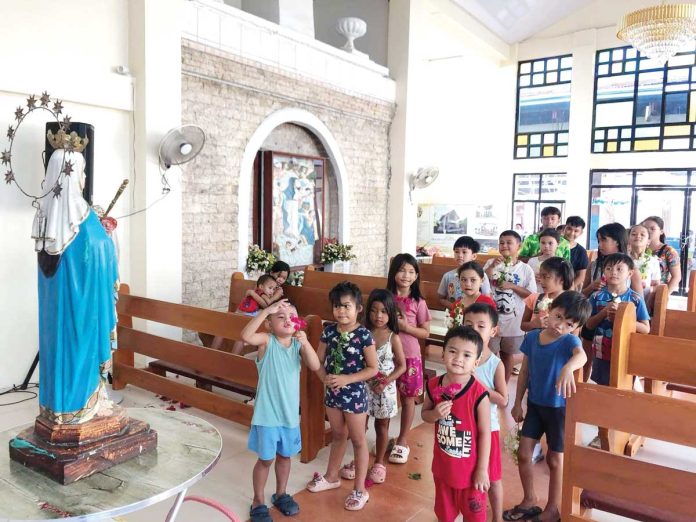
As the eldest daughter of a woman who practically had a direct hotline to the Virgin Mary, I was the designated Flores de Mayo captain. While my siblings got to nap or sneak snacks from the kitchen, I, on the other hand, was sent to the chapel every single day with a towel on my shoulder, a novena booklet in my armpit, and a bunch of neighborhood kids trailing behind me like noisy ducklings.
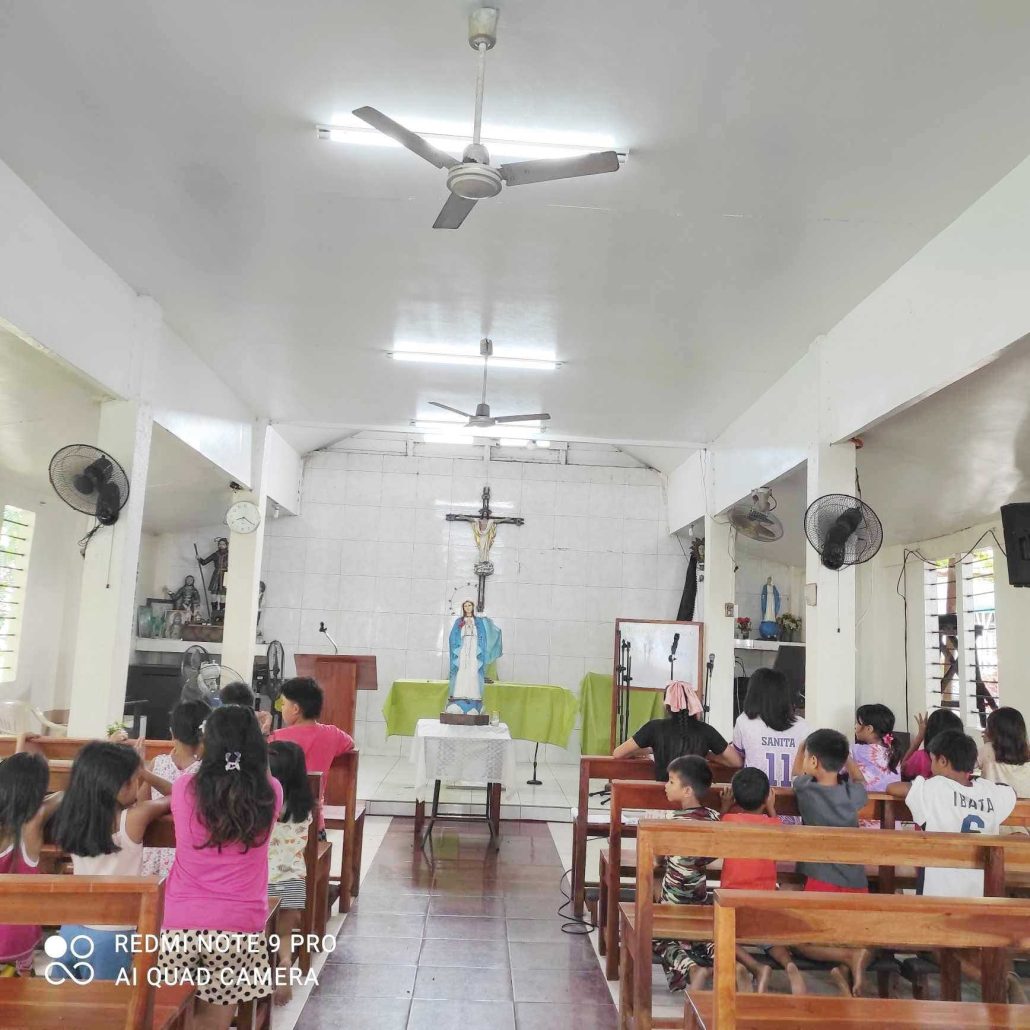
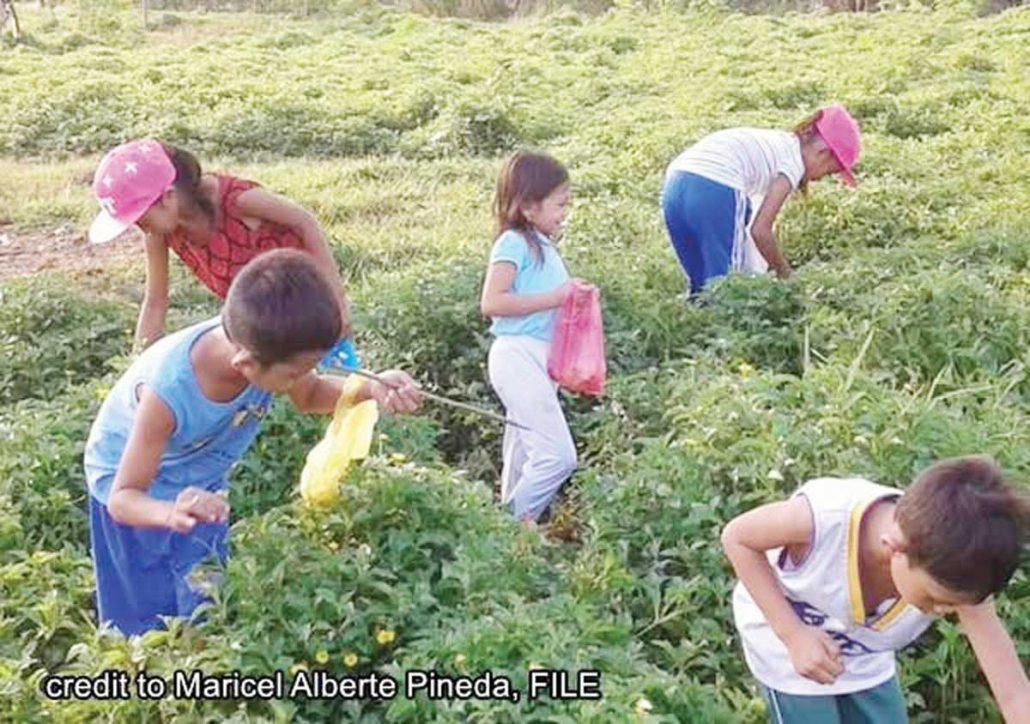
But before prayers began, there was “The Quest” — the search for flowers. Santan, gumamela, calachuci, roses, and many others.
To gather them, we’d cross the river — barefoot and brave, skirts hiked up, occasionally slipping on mossy rocks while screaming like we were in an action film. We didn’t care. On the other side of the river lived the neighbor with the most generous calachuchi tree and the prettiest yellow bells. We always asked permission. Kind of.
“Anteeee, pwede kapangayo bulak?” we’d shout while already picking three. It was a system that worked most of the time.
Once we had our bounty, we’d sit under the shade and start turning flowers into garlands, threading them with a tingting like miniature florists on caffeine. And although no one said it out loud, we all knew: it was a competition.
Whose garland was the thickest? The longest? The most fragrant?
Whose flowers wilted before they even reached the altar?
Our pride was on the line — even if the prize was just banana cue and maybe a clap from the kura paroko.
After prayers, we’d rush to the kamalig beside the chapel for merienda. There were always ice candy and bread, sometimes bitso-bitso, and on blessed days, pancit from a generous tita. We’d sit there, sweating and laughing, our hands stained red from santan nectar, arguing about who really had the best flower offering.
Looking back now, I realized how sacred that chaos was. The flowers weren’t just decoration — they were proof of effort, of childhood, of community.
These days, no one crosses the river anymore. Some of the kids don’t even know what tingting is. Garlands are store-bought or skipped altogether. And I get it — times change, and summer has become more about air-conditioned vacations and cellphone chargers than flower offerings and river crossings.
But every May, something in me aches — a longing for scraped knees, muddy feet, and calachuchi-stained fingernails. I miss being that little girl with a crown of santan and the weight of a novena in my hands, feeling like every flower I offered made the Virgin Mary smile.
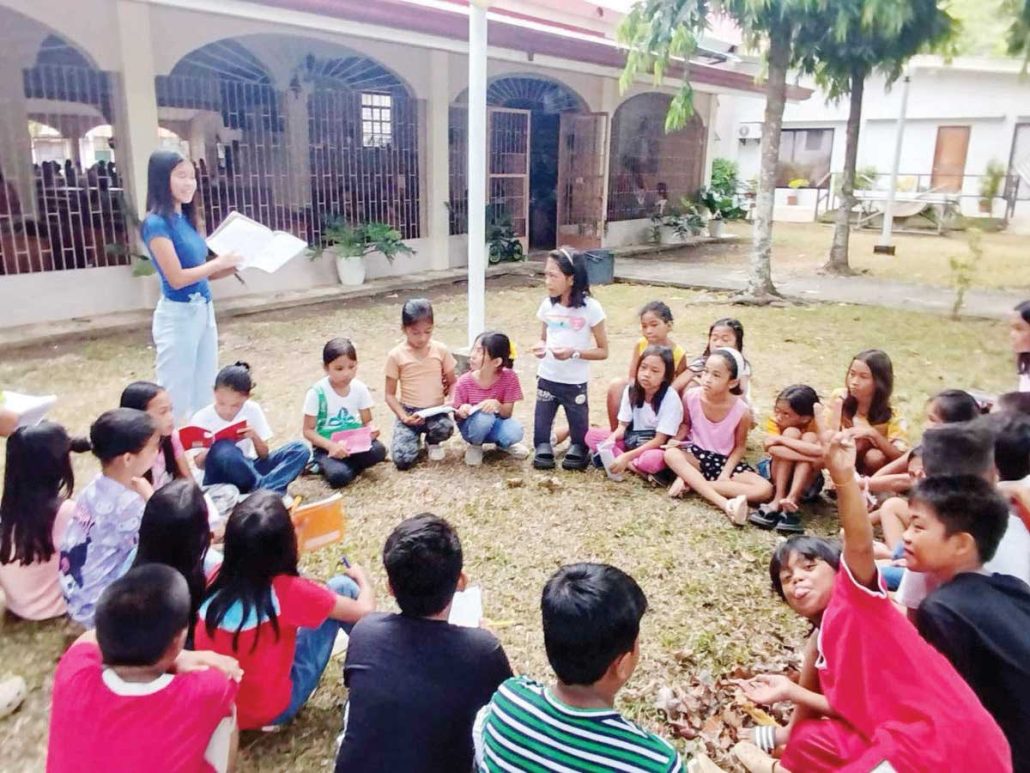
I guess that’s the thing about growing up in the province — you never really forget the joy of crossing a river barefoot just to bring flowers to a wooden altar. And no matter how many summers pass, I’ll always remember how those simple days, soaked in prayer, sweat, and flower petals, were the ones that truly bloomed.
Now, here I am — a 26-year-old woman sitting in front of her laptop, reminiscing every word I’ve just written. I miss those moments more than I can say — the river crossings, the santan-stained fingers, the laughters echoing in the chapel. But no regrets. I may have grown up and moved on, but one thing’s for sure: I had the best childhood anyone could ever ask for — in Carles, my forever home./PN