



THE RECENT recognition earned by several universities in Western Visayas in the 2026 World University Rankings for Innovation (WURI) is undoubtedly a source of regional pride. It signals that institutions in the region are increasingly capable of competing globally through innovation, research, and transformative educational programs.
But rankings alone do not automatically improve the lives of ordinary people. Global recognition becomes truly meaningful only when academic innovation translates into tangible local development — when research reduces poverty, strengthens agriculture and fisheries, improves healthcare systems, supports local industries, and helps communities solve real-world problems. Otherwise, rankings risk becoming little more than decorative achievements disconnected from the daily struggles of the people universities are meant to serve.
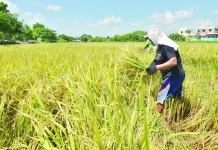
Western Visayas continues to face serious and deeply rooted challenges. Farmers grapple with rising fertilizer prices, climate-related crop losses, and unstable incomes. Fisherfolk face declining fish catch, illegal fishing, and environmental degradation. Rural communities still struggle with inadequate healthcare access, malnutrition, and limited livelihood opportunities. Many local government units continue to confront gaps in disaster preparedness, governance, digitalization, and public service delivery. These realities should shape the priorities of higher education institutions.
The good news is that several universities in Western Visayas already appear to understand this responsibility. The recognition earned by Iloilo State University of Fisheries, Science and Technology in Social Impact through Knowledge Transfer, for instance, reflects the growing importance of research and innovation that directly benefit communities and industries. Likewise, West Visayas State University and Iloilo Science and Technology University earned distinction for inclusive social innovation for underserved sectors. These achievements point to the kind of direction higher education should pursue — one rooted not merely in academic prestige but in public service and regional development.
Still, much work remains.
Research outputs should not remain trapped inside academic journals or conference presentations accessible only to scholars. Universities must ensure that innovations reach farmers in the fields, fisherfolk in coastal villages, microentrepreneurs in towns, and public schools in underserved communities.
Agricultural research should help improve food security and climate resilience in farming communities. Fisheries programs should contribute to sustainable marine resource management and better livelihoods for coastal families. Technology and engineering programs should help local governments modernize services and improve disaster response systems. Public health research should help address malnutrition, infectious diseases, mental health challenges, and healthcare inequities in the region. This is where the true value of innovation is measured.
Universities must also avoid the temptation of pursuing rankings merely for prestige or institutional branding. Chasing international recognition without grounding innovations in local realities risks creating academic exercises detached from public needs.
Western Visayas does not need universities that innovate only for applause. It needs institutions that innovate for people.
The WURI recognition should therefore be seen not as the destination, but as a challenge.
A challenge for universities to deepen their relevance to society.
A challenge for government to invest more aggressively in research and innovation.
And a challenge for communities to actively engage with educational institutions in shaping solutions to local concerns.
Western Visayas has every reason to celebrate its universities’ growing global stature. But the region’s greatest achievement will not be measured by rankings alone. It will be measured by whether innovation can help create more productive farms, more sustainable fisheries, stronger healthcare systems, more responsive governance, and ultimately, a better quality of life for the people of Western Visayas.