


ILOILO City – Health authorities here are raising the alarm over a continued surge in human immunodeficiency virus (HIV) infections, with the majority of transmissions traced to male-to-male sexual contact and most infections recorded among young men aged 15 to 34 years old.
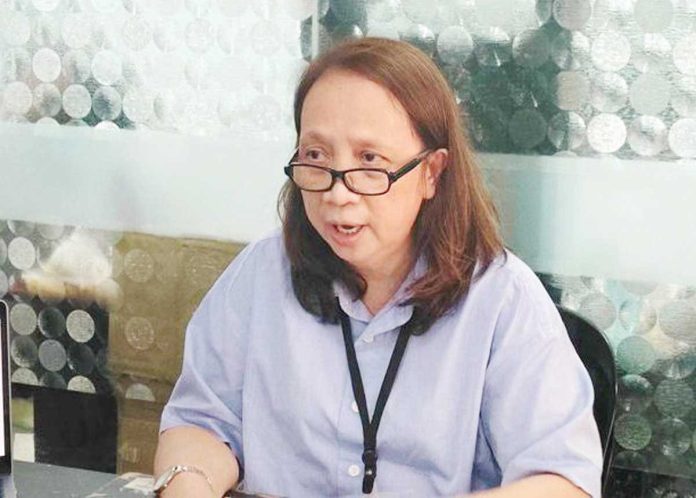
According to Dr. Ma. Odette Villaruel, Medical Officer IV of the City Health Office (CHO), Iloilo logged 1,694 HIV cases from 1988 to the first quarter of 2025. Men having sex with men (MSM) accounted for the largest share, underscoring a need for more inclusive, youth-focused interventions.
“Among these cases, 434 were transmitted through male-to-male sexual contact, followed by 218 from men who have sex with both males and females, and 139 from heterosexual (male-to-female) sex,” Villaruel said. “Clearly, we’re seeing how male-to-male sexual behavior has become the dominant transmission route in Iloilo City.”
Of the total cases, 771 were male and only 39 were female, reinforcing national trends that show HIV infections rising fastest among men who have sex with men, particularly in urban settings.
HIV Spike in Youth
The age groups most affected are 25 to 34 years old, with 361 cases, and 15 to 24 years old, with 267 cases.
Villaruel said many of these cases were detected during routine STI (sexually transmissible infections) screenings at the city’s Social Hygiene Clinic.
“It’s deeply concerning that some of our patients as young as 18 or 19 years old are already testing positive for gonorrhea, syphilis, or HIV,” Villaruel said. “This highlights both early sexual debut and a lack of awareness or access to preventive services among our youth.”
She cited a recent statement by the Department of Health (DOH) pointing to a 500% national increase in HIV cases, prompting the CHO to ramp up its local prevention efforts.
Aggressive HIV Action Plan
Mayor Jerry Treñas has approved a comprehensive set of recommendations presented by the health office, including more aggressive education campaigns, expanded testing efforts, and the reactivation of support services tailored to the most vulnerable populations.
“The mayor has tasked us to focus our efforts on four priority sectors — Department of Education (DepEd) for in-school youth, the Sangguniang Kabataan, the LGBT (lesbian, gay, bisexual, and transgender) community, and the BPO workforce — all of which have shown rising HIV incidence,” Villaruel said.
She has already begun conducting HIV awareness lectures in BPOs, and is planning engagements with schools and barangays to bring information and testing closer to those who need it most.
Among the highlights of the city’s HIV strategy is the reopening of the Sundown Clinic, a special HIV/STI facility that operated from 5 p.m. to 11 p.m. and catered especially to men having sex with men and other high-risk groups who couldn’t access services during regular hours.
“The Sundown Clinic was originally funded by the DOH and ran from 2016 to 2018. It was well-received, especially by working individuals who preferred more discreet or after-work consultations,” Villaruel said. “We’re working to bring this back with the support of the city government.”
The city is also ramping up mobile voluntary HIV testing and counseling services, making it easier for individuals to get tested discreetly in their own communities, workplaces, or schools. Testing remains strictly voluntary in accordance with the HIV/AIDS Policy Act.
In addition, Iloilo City will actively promote the use of PrEP (Pre-Exposure Prophylaxis), a daily pill that can significantly reduce the risk of contracting HIV for individuals with high sexual exposure.
While previously offered through the Family Planning Organization of the Philippines (FPOP), PrEP will now be made more available locally through government coordination.
“This is a game-changer, especially for sexually active men who test negative but are at high risk. PrEP is free from the DOH, and we want to make sure more people know it exists and how to access it,” Villaruel said.
Currently, the Iloilo City Social Hygiene Clinic operates as a screening facility, not a treatment hub. Patients who test positive are referred to treatment centers such as St. Paul’s Hospital, The Medical City, West Visayas State University Medical Center, West Visayas Medical Center, or FPOP.
However, plans are now in motion to establish a primary HIV care facility within the city to provide patients with direct access to antiretroviral therapy (ART), counseling, and ongoing medical support under one roof.
Reaching the Hardest to Reach
With the 15–24 age group emerging as one of the fastest-growing populations affected by HIV, Villaruel stressed the urgency of targeting out-of-school youth, promoting safe sex practices, and destigmatizing testing and treatment.
“Many of these young people are sexually active but don’t have enough information. We need to be where they are — online, in barangays, on campuses and give them the tools to protect themselves,” she emphasized.
Iloilo City’s reinvigorated response comes at a critical time as the Philippines grapples with one of the fastest-growing HIV epidemics in the Asia-Pacific region. Local health officials are hopeful that with sustained efforts, education, and community engagement, the tide can be turned./PN