

LOCAL power regulators are seeking to further reduce the retail choice threshold that will allow all Filipino households to choose their own electricity supplier by 2031.
The Energy Regulatory Commission (ERC) is currently creating a five-year roadmap to hit this goal.
This follows the significant drop in the threshold to 100 kilowatts (kW) from 500 kWh needed to participate in the competitive retail electricity market (CREM). This has opened doors to about 12,000 mid-sized commercial and industrial users.
“By 2031, every Filipino electricity end-user, from the largest factory to the smallest household, has the right and the practical means to choose a supplier, supported by smart metering, trusted market data and strong consumer protection,” the commission said in a draft roadmap posted on its website.
Opening access
Programs under CREM include the retail competition and open access (RCOA) and the retail aggregating program (RAP).
RCOA allows participants consuming at least 100 kW a month to buy cheaper electricity from retailers other than the existing suppliers in their area. RAP, meanwhile, accommodates households and businesses that share a common area to consolidate their demand to meet the threshold.
For its near-term goal, Filipinos may see the threshold cut to 50 kW next year, paving the way for more residential customers to enjoy the freedom of tapping more competitive power prices.
To push for this, the ERC intends to strengthen policies and consumer protection for small contestable customers. It also plans to adopt a national advanced metering infrastructure rollout plan.
The Independent Electricity Market Operator of the Philippines may likewise be required to adopt a centralized metering data hub, modeled on Australia’s Market Settlement and Transfer Solutions.
By 2030, the ERC hopes to cut the threshold to 30 kW.
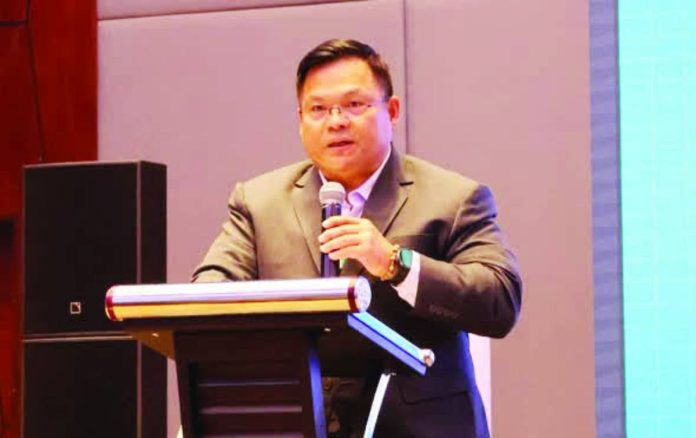
Slashing the threshold would be pursued “until we reach the household level,” ERC chair Francis Saturnino Juan said.
As of end-August, 2,692 contestable customers and 311 retail aggregated groups had already switched suppliers under RCOA framework.
“Success depends less on the speed at which thresholds fall than on the strength of what stands behind them: smart meters in place, a trusted central data hub, competitive metering services, financially sound retailers and consumer protections suited to households,” the ERC said. (Lisbet K. Esmael © Philippine Daily Inquirer)