
PEOPLE should seek to have zero debt this year or at least reduce their debts.
That’s the New Year’s resolution of many Filipinos – one that is difficult to achieve, but possible nevertheless.
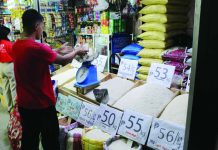
Enery Dy, founder of the Financial Literacy PH online group, said it is crucial for one to prioritize debt payments in order to push for financial stability in the long run. He said having zero debt should be the goal, especially with more Filipinos now easily availing of loans, product installments, credit card purchases, and even informal lending such as the so-called “5-6.”
“Makakatulog ka ng mahimbing pag wala ka na utang. Goal natin maging zero utang pero step-by-step siya,” Dy said.
Dy admitted that it’s easier said than done, especially with many Filipinos still having limited funds.
But there are ways to help pay off debts or, at the very least, to reduce the amount.
One strategy is to create a clear and specific budget plan. Equally important is that this plan should be followed and implemented.
He said a recommended budget plan would be to set aside 50 percent of one’s monthly net income for “needs” or for food, electricity, debt payment; 30 percent allotted for ‘wants’ like travel; and 20 percent for ‘the future’ like emergency fund, investments or insurance.
Dy clarified that this budget plan is just a sample because each person has different budget priorities and concerns. But the main goal is to create a budget so one can track expenses as well as savings.
Having specific financial goals is important, Dy said. For example, one should have a target of how much money should be saved per month or how much should be allotted for debt payments per quarter. These financial goals should be specific, measurable, attainable, realistic, and time-bound, Dy said.
“Personal finance is personal. What may work for me might not work for you and vice versa,” he said.
He added, “You have to regularly check kung lumalapit ba tayo sa goals natin or not so we can adjust accordingly.”
He also urges those with multiple loans to check with their banks for debt reconstruction or the consolidation of all loans from different banks under one bank. This makes payment easier as one only needs to focus on one bank and also potentially lower interest overall.
“Mas maganda maging zero debt or debt-free kasi malaki interest. For example credit card, 3 percent times 12 that’s 36 percent per year,” Dy added.
Another way to pay debt is what he calls the debt snowball, or paying first the loan with the smallest amount. This means one still needs to pay the monthly dues to all loans, but for extra money, one can focus on the smallest loan, so once it’s fully paid, one can focus on the other loans.
There is also the debt avalanche, or paying the debt with the highest interest first.
These are some of the ways to help manage debts.
Dy said debts are not bad, especially during emergencies, but one just needs to have a clear plan on how and when to pay them.
With many Filipinos including saving more money as one of their New Year resolutions, Dy said it is not impossible to be debt-free or to have bigger savings, even by starting with a small amount. All it takes is consistency, a new mindset, and the drive for a financially stable future. (ABS-CBN News)