

PHOTOS BY ALLEN ANIMAS
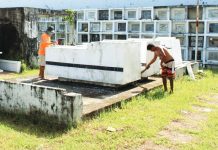
LONG BEFORE Iloilo’s heritage sites became popular subjects on social media, Prof. Marie Joy Buendia-Rosal was already documenting the province’s centuries-old cemeteries, uncovering the history, artistry and cultural traditions preserved in their stone structures.
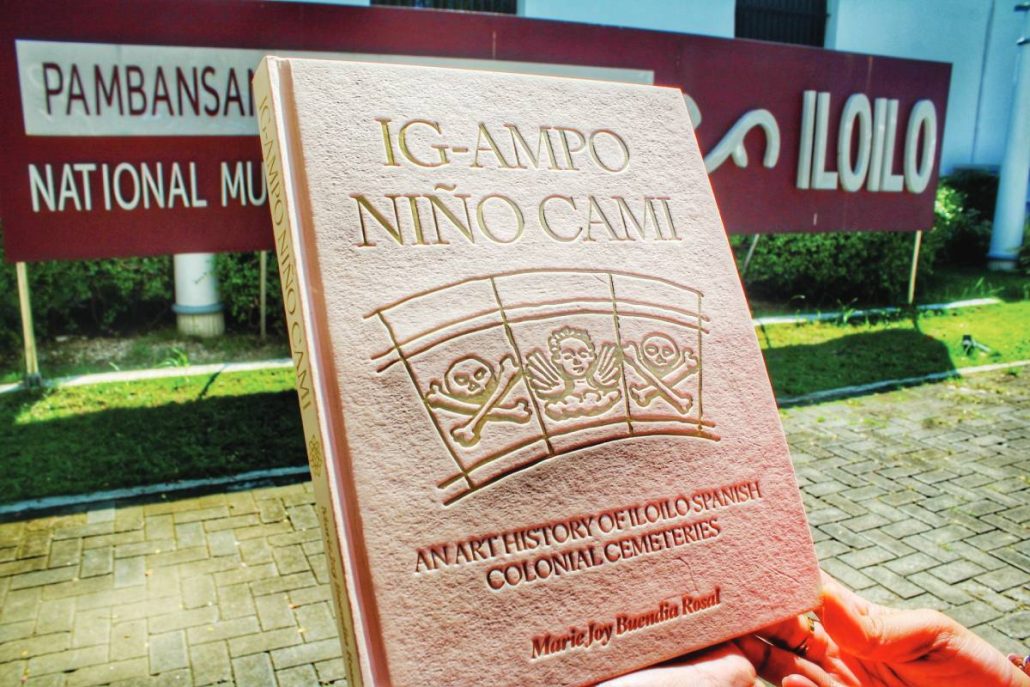
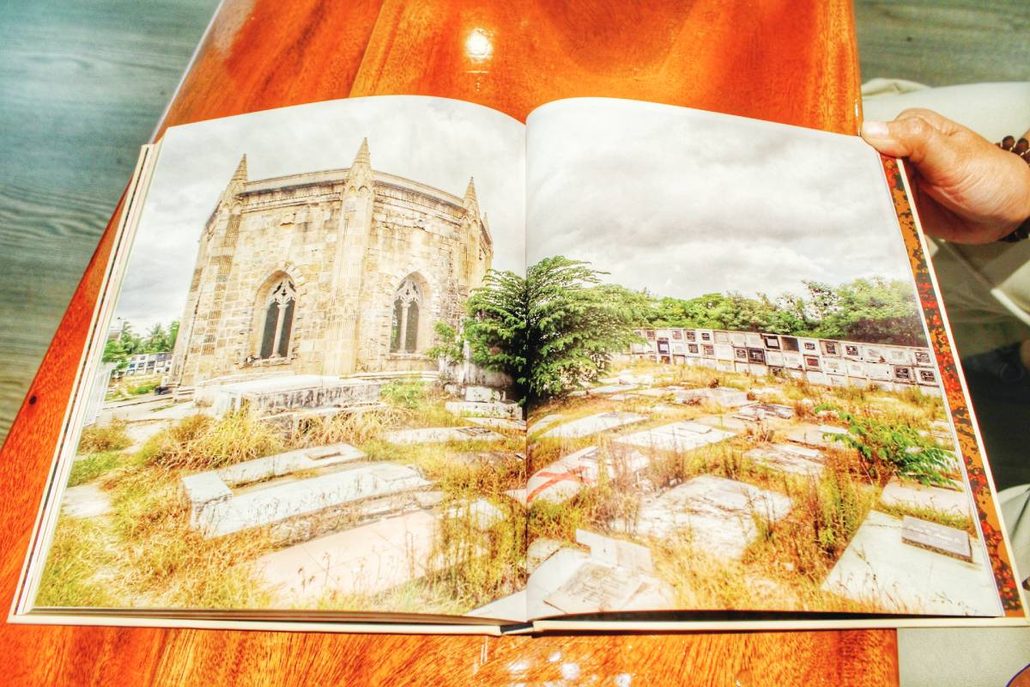
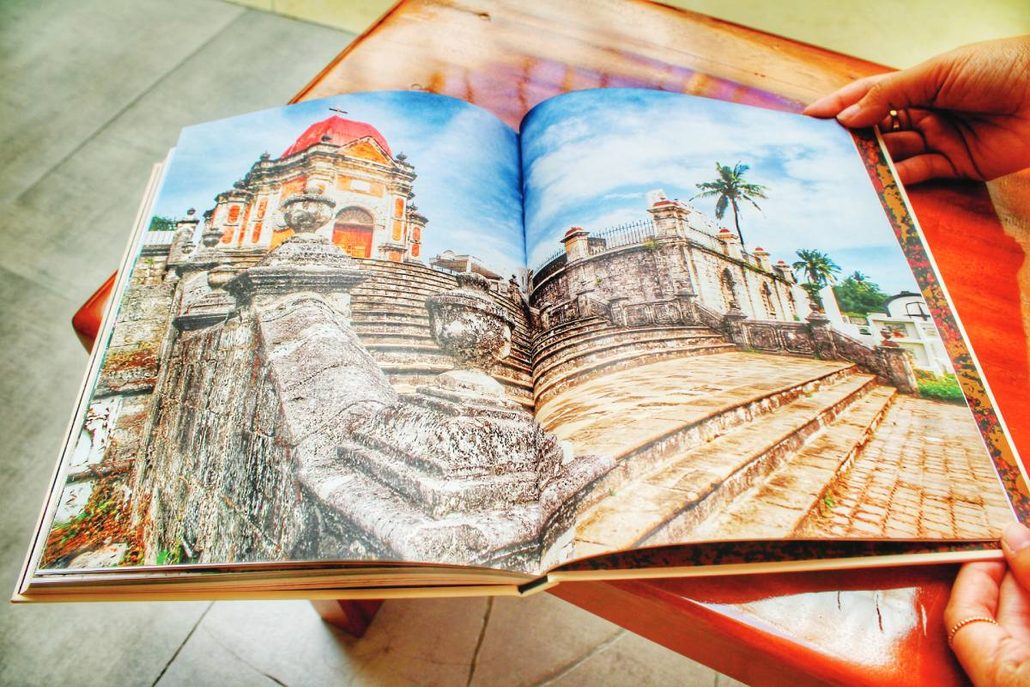
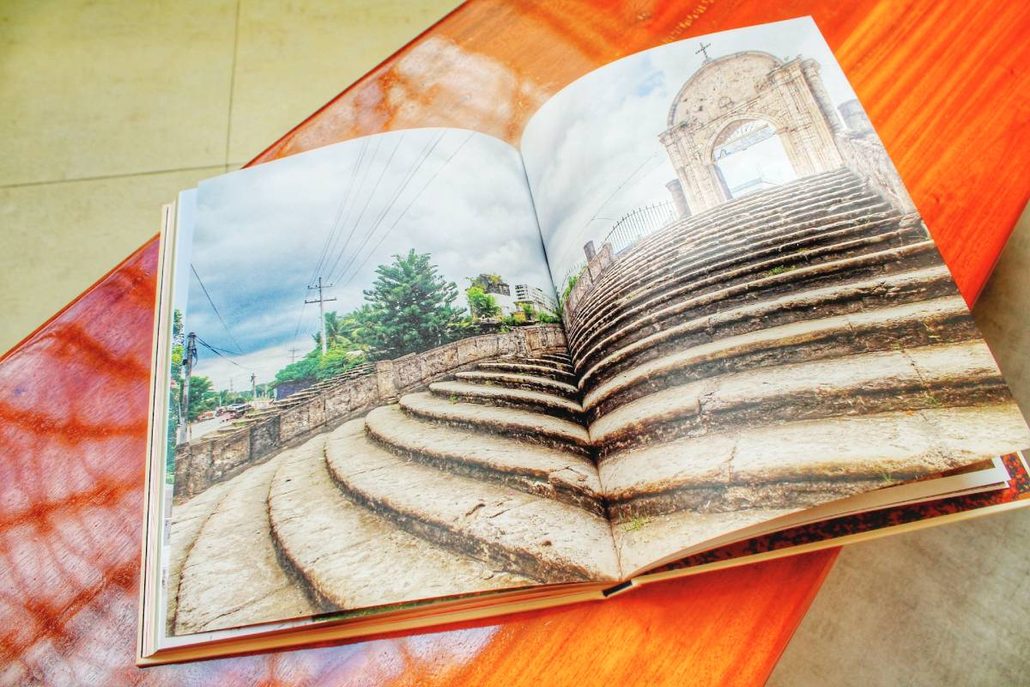
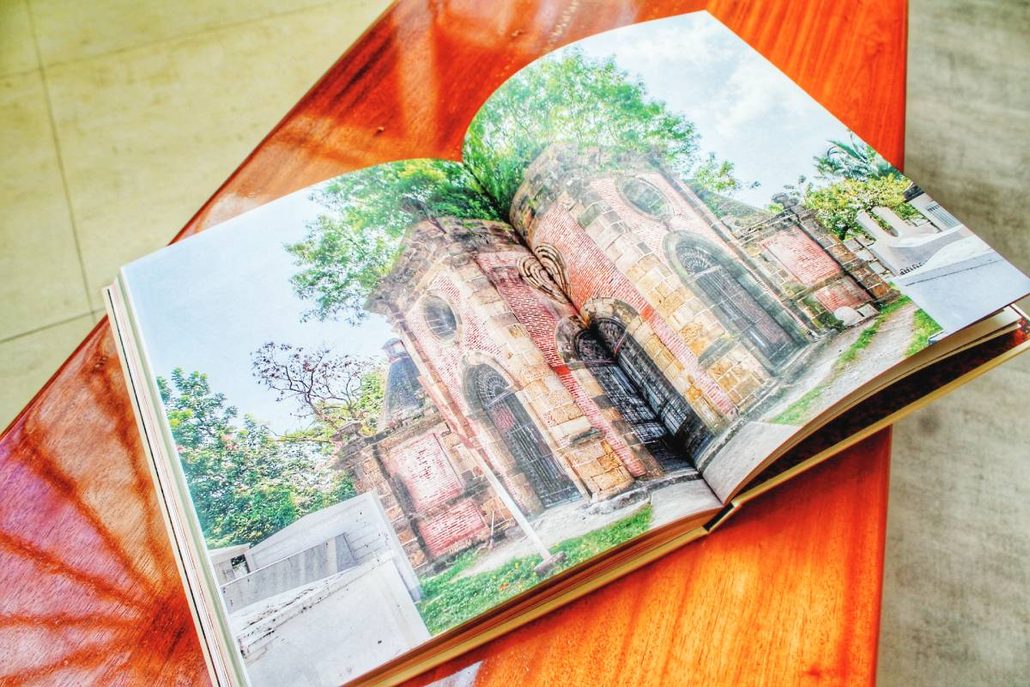
Her decades of research have culminated in “Ig-Ampo Niño Cami: An Art History of Iloilo Spanish Colonial Cemeteries,” a publication documenting eight surviving Spanish colonial stone cemeteries in Cabatuan, Dingle, Janiuay, Miagao, Oton, Pototan, San Joaquin, and Santa Barbara.
Rather than presenting these sites merely as burial grounds, Rosal examines them as cultural landmarks that reflect Iloilo’s religious traditions, architectural craftsmanship and social history during the Spanish colonial period.
The book begins with an overview of Iloilo’s historical background, geographical setting and population before exploring the influence of the Augustinians, whose missionary activities and parish administration helped shape religious life across Panay.
It also traces the evolution of burial traditions in the Philippines, from precolonial practices to the Spanish colonial period, when cemetery construction and design became closely associated with religious institutions and local communities.
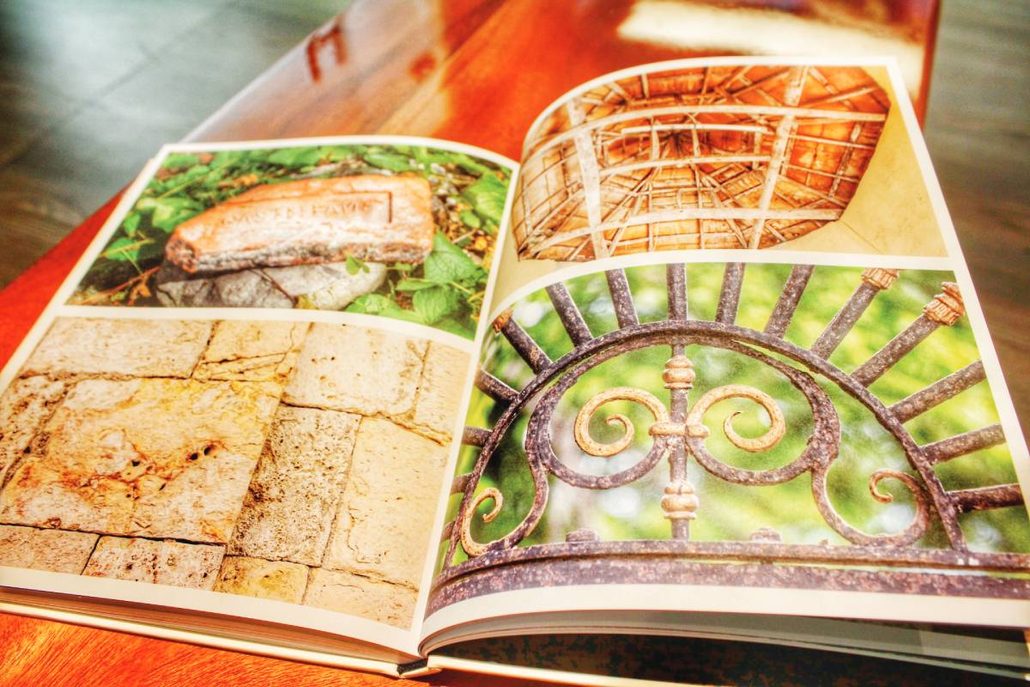
A significant part of Rosal’s research focuses on the materials and people behind these structures. She examines the use of coral stone, sandstone and bricks in cemetery construction while recognizing the contributions of local construction workers known as manogdagiao.
Each cemetery is examined within the historical context of its municipality. By connecting the development of these towns with the architectural features of their burial grounds, Rosal helps readers understand how the structures became enduring parts of Iloilo’s cultural landscape.
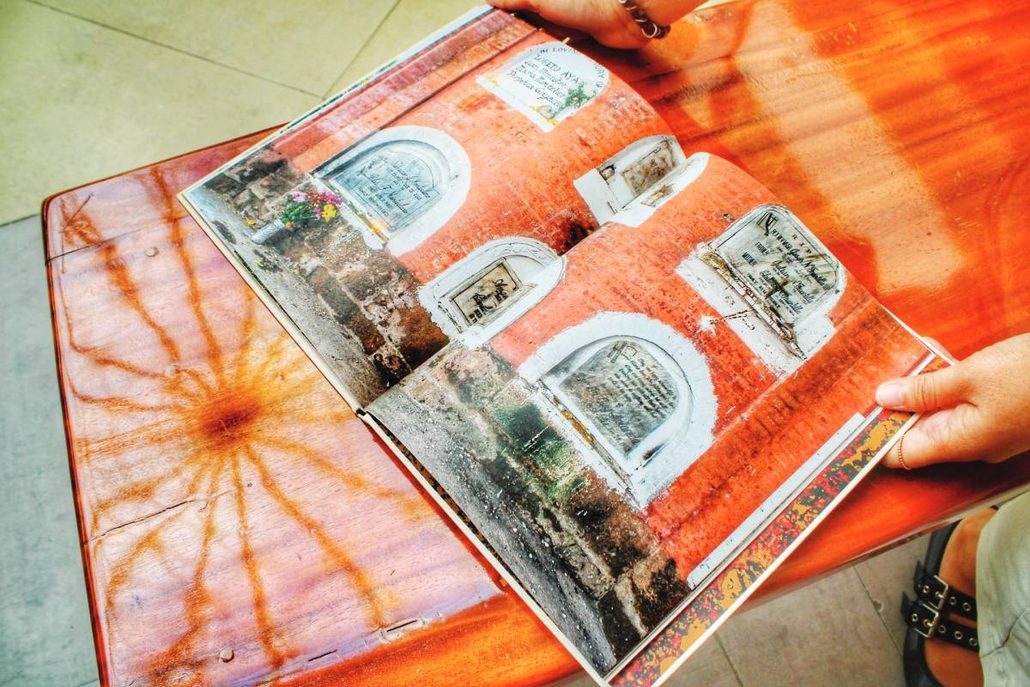
The publication also brings together visual records from different periods. Photographs from Rosal’s fieldwork in the 1990s are presented alongside architectural illustrations and detailed renderings, complemented by more recent photographs by Stan Cabigas. Together, these images allow readers to compare the cemeteries as they appeared during the early stages of her research with their present-day condition.
Even the book’s title carries a piece of history.
“‘Ig-Ampo Niño Cami,’ the book’s title is actually the engraving on a stone tablet – a memento mori from the cemetery of Sta. Barbara,” Rosal explained.
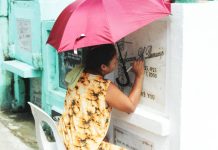
The phrase evokes the enduring relationship between the living and the dead, a connection especially meaningful during All Saints’ Day and All Souls’ Day, when families gather in cemeteries to remember their departed loved ones.
Behind the publication is a research journey spanning three decades. The project began as Rosal’s master’s thesis in 1995 but remained unpublished as she balanced motherhood and academic responsibilities while confronting personal doubts about bringing her work to a wider audience.
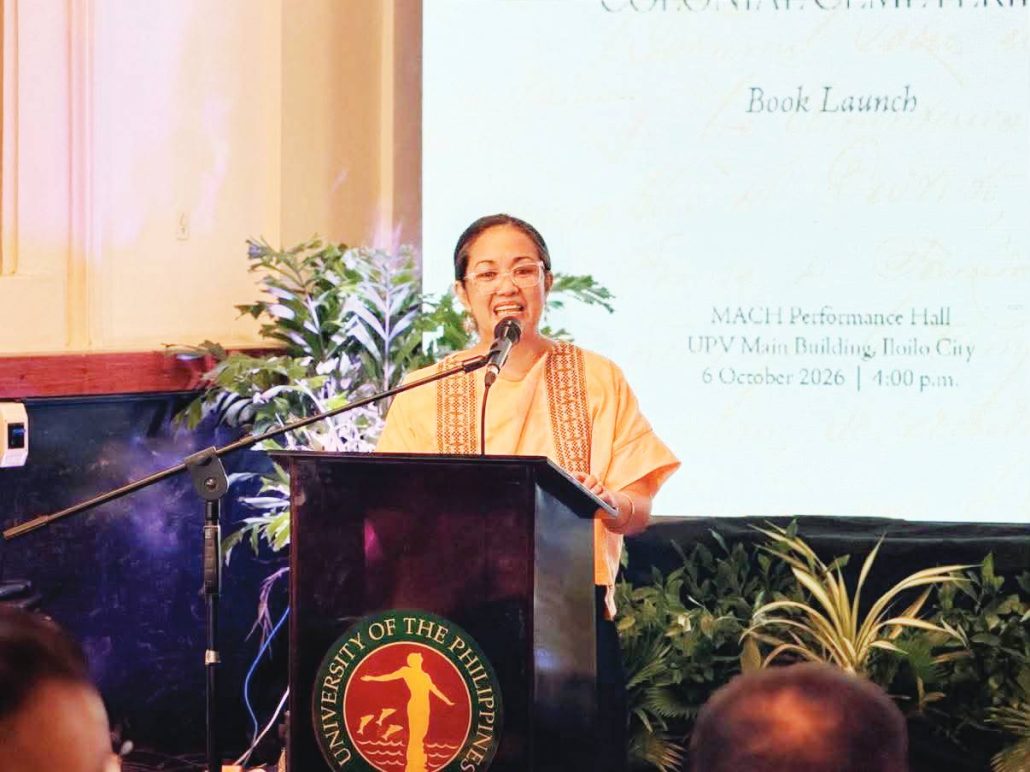
The long-awaited publication moved forward following an invitation from the National Historical Commission of the Philippines (NHCP) in late 2025.
The NHCP was represented by Hon. Regalado Trota Jose Jr. and Executive Director Carminda R. Arevalo during the book presentation. Copies were also turned over to the UP Visayas Center for West Visayan Studies, the University of San Agustin, Central Philippine University, the National Museum of the Philippines–Iloilo, West Visayas State University and Iloilo Science and Technology University.
Through “Ig-Ampo Niño Cami,” Rosal offers more than a historical account of Iloilo’s old cemeteries. She provides a valuable record of architectural details, religious influences and local craftsmanship that might otherwise remain overlooked, contributing to a broader understanding of the province’s cultural heritage and the importance of preserving it.
As families visit cemeteries this Undas to offer prayers and remember those who have passed, these centuries-old structures invite them to look beyond individual graves and consider the history preserved in the places where generations have laid their loved ones to rest.
Iloilo’s Spanish colonial cemeteries are not simply reminders of mortality. They are enduring records of the communities that built them, the beliefs that shaped their lives and the history they left behind./PN