



ILOILO City – Fearing that a strong to very strong El Niño could prolong water shortages and trigger disruptions in electricity, food supply, public health and the local economy until June 2027, Mayor Raisa Treñas has ordered the city government to prepare for a worst-case scenario as part of a comprehensive contingency plan against the looming climate threat.
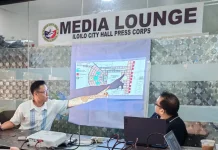
Treñas convened an emergency meeting of the Crisis Management Council, directing concerned government offices to formulate specific response measures for three possible El Niño scenarios, including one in which adverse conditions could persist until June next year.
The move follows scientific projections indicating the possibility of a strong to very strong El Niño, raising concerns over the city’s preparedness for prolonged dry conditions and extreme heat.
“Indi na pwede nga response na lang ang aton. We have to prepare. Dapat preparahan gid naton kun ano man ang epekto sang El Niño. Ready kita,” Treñas said.
The City Disaster Risk Reduction and Management Office (CDRRMO) presented three possible scenarios that will guide the contingency planning of various government response clusters.
Under the assessment, El Niño’s effects could extend until December 2026, while the worst-case projection indicates that adverse conditions could persist until June 2027.
The city is particularly concerned about the possible impact of prolonged dry conditions on the Maasin Watershed and Jalaur River, two important water sources for Iloilo.
Any significant reduction in water availability could create difficulties for households, businesses and essential public services, making advance coordination with water providers a priority.
However, Treñas warned that the consequences of El Niño could extend far beyond water shortages.
“Sa data nga ginpakita sa aton, indi lang siya problem sang water, problem pa siya sang energy. Ang aton health affected, ang aton food affected, ang trabaho kag pati peace and order,” she said.
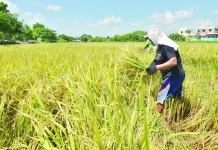
The mayor stressed that prolonged dry and hot conditions could increase electricity consumption, affect agricultural production, threaten food security, expose vulnerable residents to health risks and disrupt livelihoods.
The city government is consequently adopting a broader disaster preparedness strategy that addresses the possible interconnected effects of El Niño on essential services and economic activities.
Among the immediate priorities are identifying barangays most vulnerable to water shortages and extreme heat, closely monitoring water sources, coordinating with water suppliers and power utilities, and preparing health facilities for possible increases in heat-related illnesses.
Water conservation measures are also being considered to help protect available supplies should dry conditions intensify.
Special attention will be given to schools, outdoor workers and other vulnerable sectors that could face heightened risks from extreme heat and inadequate water supplies.
The city will likewise monitor food availability and local commodity prices to anticipate possible supply disruptions and price increases resulting from prolonged dry conditions.
Treñas directed the city’s response clusters covering Administrative Support, Logistics, Food Security, Local Price Monitoring, Public Information and Advocacy, Critical Infrastructure, Law and Order, Health Security, Fleet Management and Energy Conservation to prepare contingency plans corresponding to the projected scenarios.
Each cluster is expected to identify its responsibilities and the measures necessary to address potential disruptions within its respective area of concern.
Drawing lessons from the city’s previous energy crisis, Treñas emphasized the importance of clearly defined responsibilities, coordinated government action and early intervention rather than waiting for emergencies to escalate.
“We need to know what each office will do and what our response will be in every scenario. We cannot wait until the situation becomes critical before we start planning,” Treñas said.
The city government will continue coordinating with the Philippine Atmospheric, Geophysical and Astronomical Services Administration (PAGASA), scientific experts, water providers, power utilities and other concerned agencies to track developments and adjust its contingency measures./PN