



ILOILO – The South Korean financier and contractor of the P11.2-billion Jalaur River Multipurpose Project II (JRMP II) in Calinog town have been charged with human rights abuses and environmental destruction in South Korea.
On Aug. 26, indigenous and environmental groups filed formal complaints accusing the Korean Export-Import Bank (KEXIM) and Daewoo Engineering & Construction.
The Jalaur River for the People’s Movement (JRPM), backed by South Korean civil society allies, lodged cases before Korea’s grievance mechanisms alleging violations of OECD (Organization for Economic Cooperation and Development) guidelines, safeguard breaches, and non-compliance with the Free, Prior, and Informed Consent (FPIC) of indigenous people (Tumandok) displaced by the mega dam project.
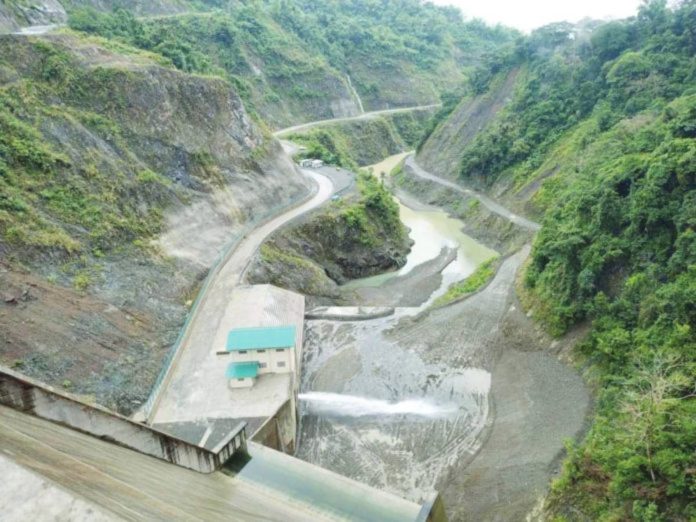
With the National Irrigation Administration (NIA) as the implementing agency, the JRMP II includes the construction of a109-meter high dam, 38.5-meter afterbay dam, 10-meter Alibunan catch dam, and 80.74-kilometer high line canal. It is projected to be operational by the end of this year or in early 2026.
JRPM coordinator John Ian Alenciaga charged that KEXIM’s Economic Development Cooperation Fund (EDCF) “violated its own safeguard policies by funding a project that caused irreparable harm to the Tumandok and their ancestral lands,” adding that the dam submerged villages, burial sites, and farmlands while residents were forced out without fair compensation.
He further cited militarization, harassment, and the December 2020 “Tumandok Massacre” that left nine leaders dead and 16 arrested.
Lee Young-ah of the People’s Solidarity for Participatory Democracy (PSPD) in Korea stressed that Jalaur is the first EDCF-funded project covered by Korean safeguard policies, warranting “an independent investigation to protect the Tumandok and their environment.”
Lawyer Jung Shin-young of the Advocates for Public Law Interest pressed Daewoo Engineering & Construction to engage with affected communities, stressing that “the Korean NCP must facilitate this process to ensure corporate accountability and justice in line with OECD standards.”
JRPM reiterated its demand to halt funding, stop abuses, and deliver justice for victims, saying the dam has become “a monument of displacement and ecological destruction” rather than development.
It organized coordinated actions in Iloilo City, including a picket at the Iloilo Provincial Capitol, to raise awareness on JRMP II coinciding with the International Day of Solidarity and Action for the Tumandok People and Indigenous Peoples Month.
JRMP II is envisioned to provide irrigation water to farmers, particularly in rice-producing areas.
Iloilo is one of the top rice-producing provinces in the country.
The mega dam is expected to increase rice production and also provide water and electricity to the province and its capital, Iloilo City.
The project is also expected to generate 6.6 megawatts of hydroelectric power and open opportunities for eco-tourism and inland fishery./PN

Where’s the 5MegaWatt Electric Power even the Building and Turbine were NOWHERE TO BE SEEN?!