


ILOILO — Leptospirosis deaths in Iloilo province have surged to five, with health officials warning of a rising public health threat as cases climbed by 30 percent compared to the same period last year.
Data from the Iloilo Provincial Health Office (IPHO) showed that from January 4 to April 4, the province recorded 39 cases with five deaths — a sharp increase from 30 cases and only one death in the same period in 2025.
The fatalities were reported in Dingle (two), Barotac Nuevo (one), Oton (one), and Concepcion (one), raising alarm over the spread of the disease across multiple municipalities.
Leptospirosis is a bacterial disease that spreads through direct contact with urine from infected animals or environments contaminated with urine. It can enter the body via cuts on the skin or the mucous membranes of the eyes, nose, or mouth.
Early symptoms include high fever, severe headache, muscle pains, chills, eye redness, abdominal pain, jaundice, skin rashes, and gastrointestinal symptoms.
According to Dr. Rodney Labis, head of the Health Service Delivery Division of the IPHO, all five fatalities were males aged 30 and above, with exposure largely linked to high-risk environments.
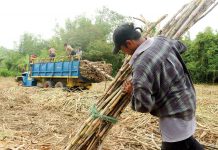
He added that three of the deaths involved individuals with agriculture-related exposure, one was linked to flood exposure, while the remaining case had no identified exposure.
Of the province’s 42 municipalities and the component city of Passi, at least 27 have already reported leptospirosis cases — indicating widespread transmission.
Among the areas with the highest number of cases are Balasan, Barotac Nuevo, Passi City, Dingle, Janiuay, Lambunao, Leon, Mina, Oton, and San Enrique, each recording two cases, with some also reporting deaths.
Cases were also logged in 17 other municipalities, including Sara, Tigbauan, Alimodian, Banate, Barotac Viejo, Calinog, Concepcion, Dueñas, Dumangas, Leganes, Lemery, Maasin, Miag-ao, New Lucena, Pavia, Santa Barbara, and Zarraga.
Labis reiterated that leptospirosis is a potentially fatal disease commonly acquired through exposure to floodwaters, rivers, or canals contaminated with the urine of infected rats.
He explained that symptoms may appear two to 30 days after exposure, but typically manifest within one to two weeks, initially resembling flu-like illness.
Severe cases, however, can lead to complications such as yellowing of the eyes and skin, red or absent urine, and eventual liver and kidney failure — conditions that often result in death.
Despite its dangers, Labis stressed that the disease is preventable.
“Malikawan naton ini paagi sa paglikaw sang paglusong ukon pagpaligo sa tubig-baha, talamnan, kag iban pa nga may higko nga tubig nga kontaminado sang ihi sang infected nga ilaga,” he said.
For those who cannot avoid exposure, such as farmers, emergency responders, and rescuers, he advised the use of protective gear like rubber boots and gloves, along with immediate washing using soap and clean water.
Health officials also recommend early intake of prophylactic antibiotics, particularly doxycycline, after possible exposure.
“Kun nakalusong sa mahigko nga tubig kag may sintomas sang leptospirosis, gilayon nga magkadto sa pinakamalapit nga health center ukon hospital, pribado man ukon publiko nga clinic, para sa nagakaigo nga bulong,” Labis emphasized.
The IPHO also urged residents to maintain cleanliness in their surroundings to prevent rat infestation, a key factor in disease transmission.
“Siguraduhon naton nga ang aton ginainom nga tubig properly disinfected, kag ang aton nga mga pagkaon kag mga utensils sa balay nakatago ukon natabunan sang maayo, para sigurado kita nga hindi makontaminar sang mga galibot nga ilaga kag iban pa nga peste sa aton panimalay,” Labis added./PN